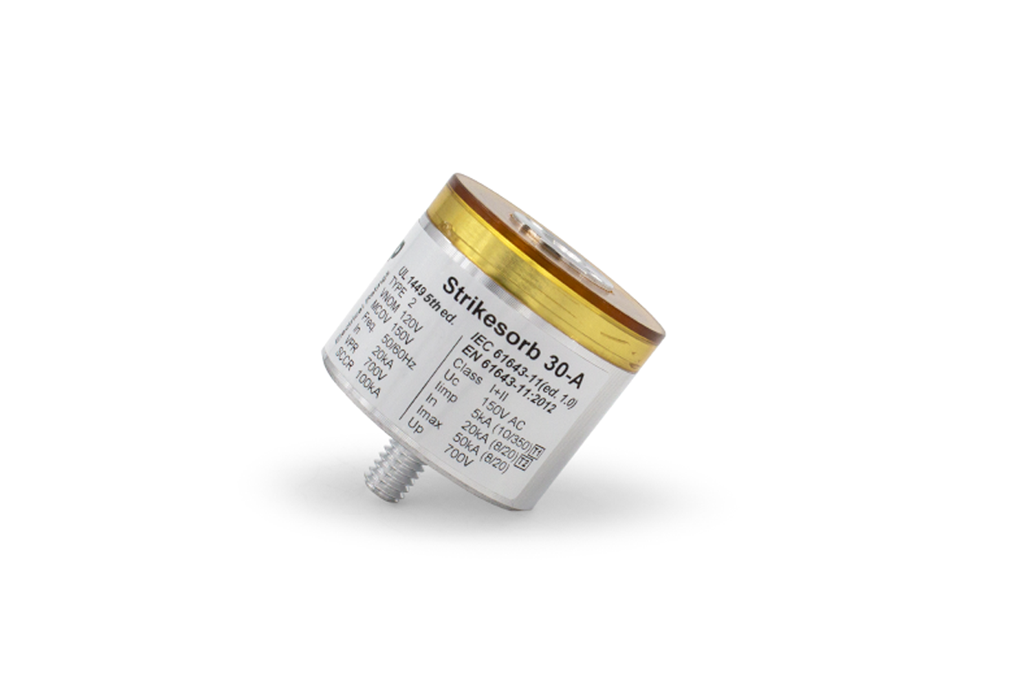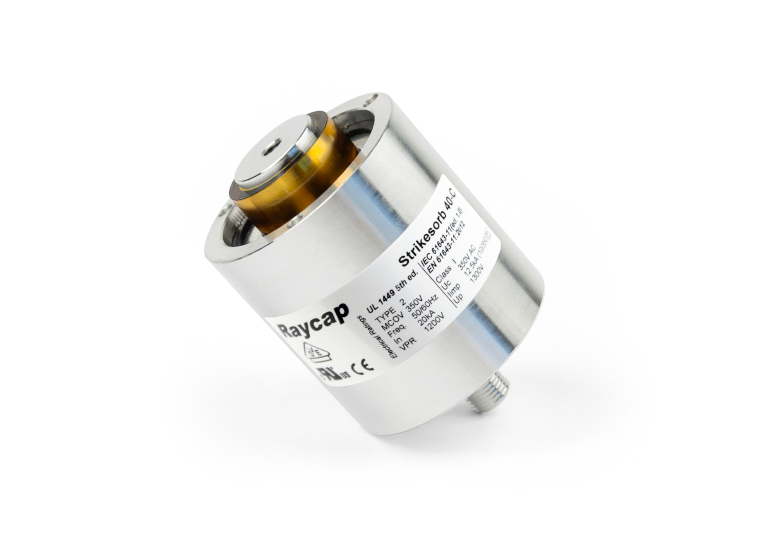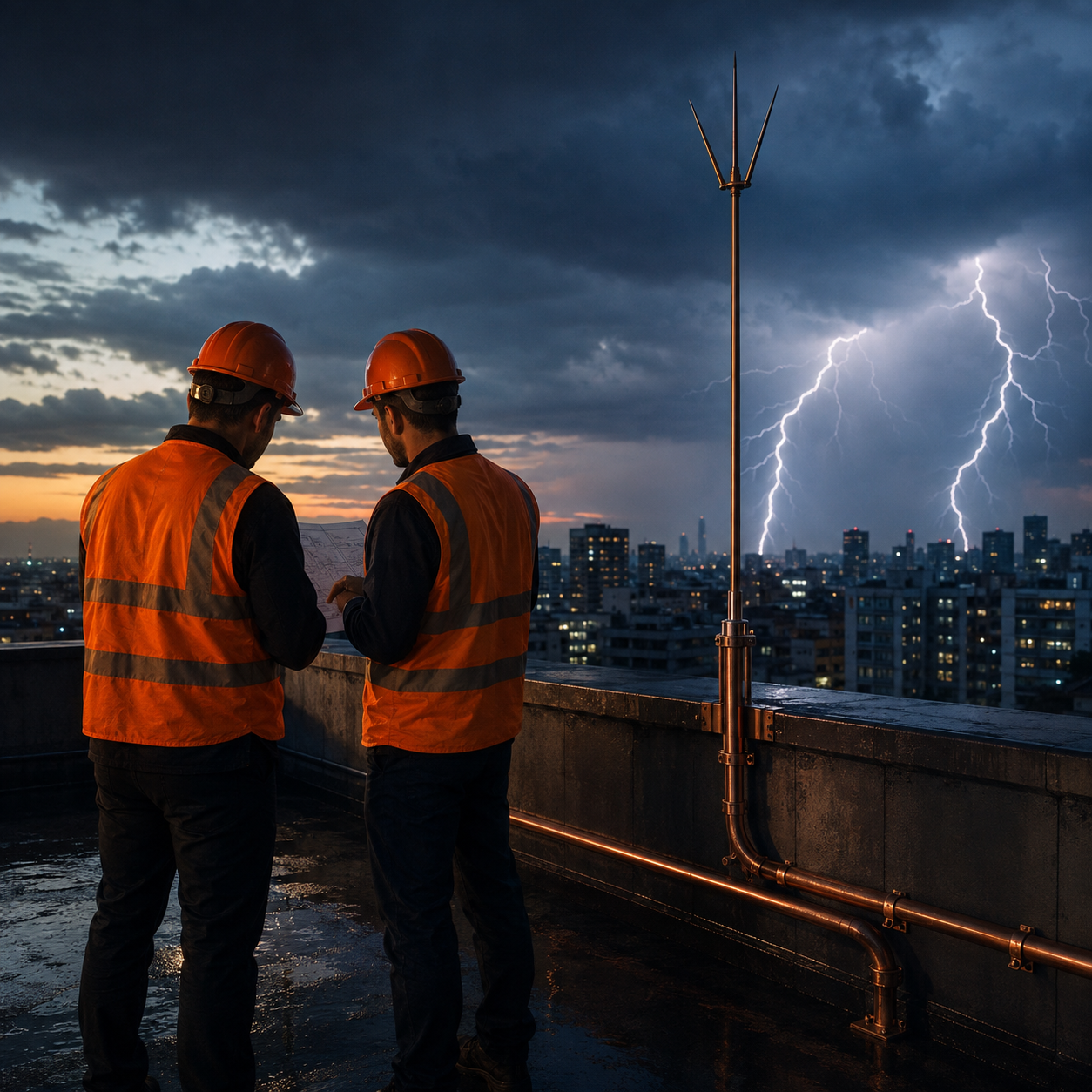
Lightning does not have to strike the building itself; even a strike several kilometres away generates a surge voltage on power, data and coaxial lines high enough to destroy equipment. An external lightning protection system protects the structure from physical damage, but on its own it does nothing against the overvoltage travelling in along the lines. That gap is closed by the internal lightning protection system — commonly known as LV surge protection.
In factories and plants, machinery, PLC and automation panels, security systems, sensitive boards and communication equipment are all damaged by these surges. What you see is often misleading: the device does not fail on the spot — its insulation degrades and the damage returns weeks later as a fault nobody can explain.
Yılkomer is a global partner of RAYCAP. We protect power, coaxial and data lines in line with IEC 62305; from a product pool of more than 3,000 items, our engineering team selects, installs and documents the solution that suits your system.
The Four Building Blocks of an Internal Lightning Protection System
An effective internal lightning protection system is not a single device. Four elements have to work together — when one is missing, the others cannot deliver the protection you expect:
The site is divided into zones according to lightning risk: it begins at the direct strike area outside (LPZ 0) and narrows step by step down to the enclosure housing the sensitive equipment (LPZ 2–3). At each zone boundary the energy is stepped down one level further. An SPD selected without correct zoning will not deliver the expected protection, no matter how expensive it is.
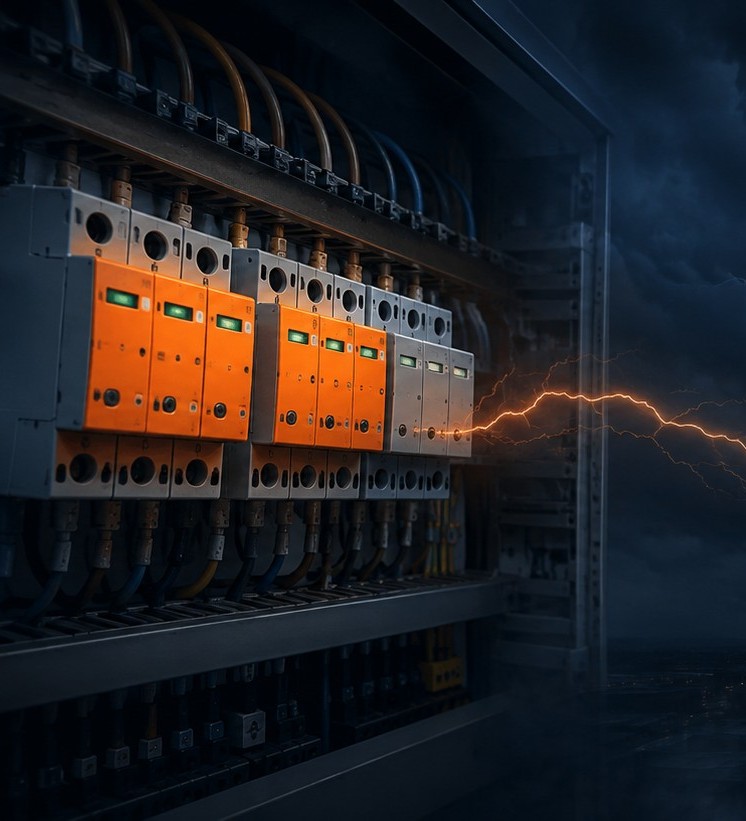
No single device can dissipate all the energy. A high-capacity SPD at the main distribution board handles its share of the lightning current, a second stage at the sub-distribution boards reduces the residual voltage, and a third stage at the equipment input performs the final filtering — all working together. If the energy coordination between stages is not set up correctly, the downstream stage operates before the upstream one and is damaged.
The job of an SPD is to divert the surge to earth, so protection cannot work unless the earthing and the equipotential bonding bar — the system's reference point — are correctly installed. Metal pipework, cable trays, enclosure bodies and the earthing of the external lightning protection system are all bonded to a common potential.
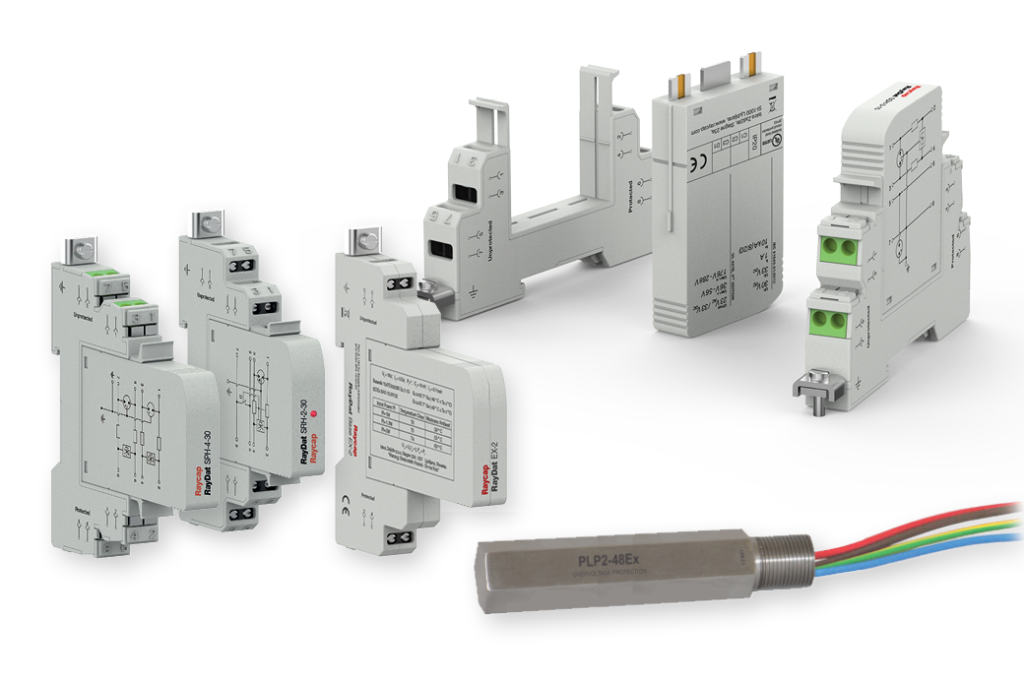
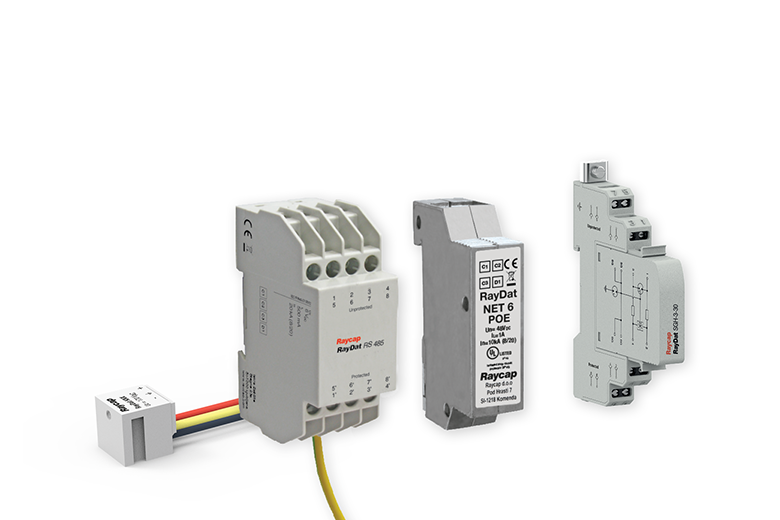
Most damage enters not through the power line but through data and signal lines. RS-485 lines, Ethernet connections, 4–20 mA field signals, antenna feeder cables and camera lines are protected by SPDs that comply with their own standards. Protecting the power line in a facility where this side is left unguarded is like locking the door and leaving the window open.