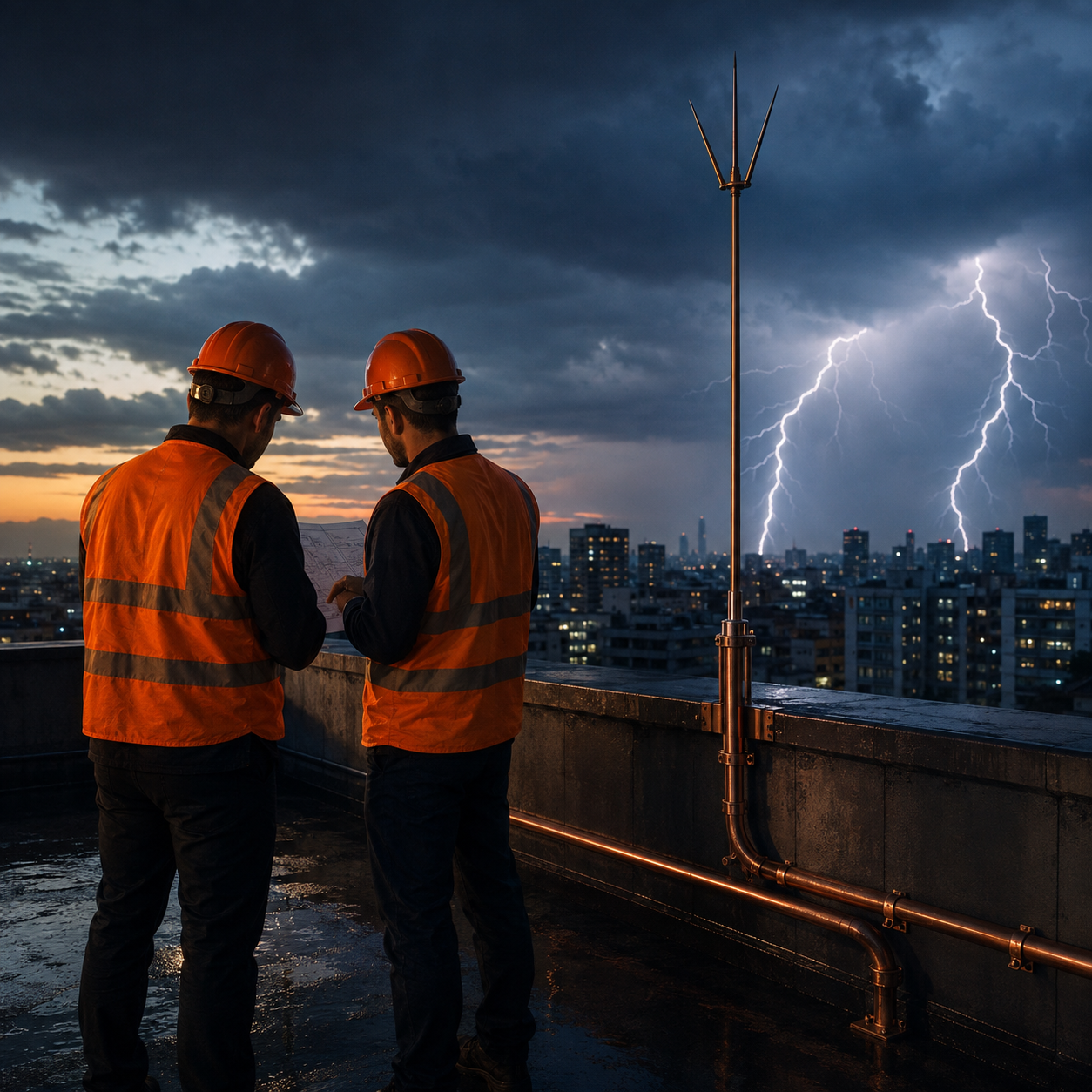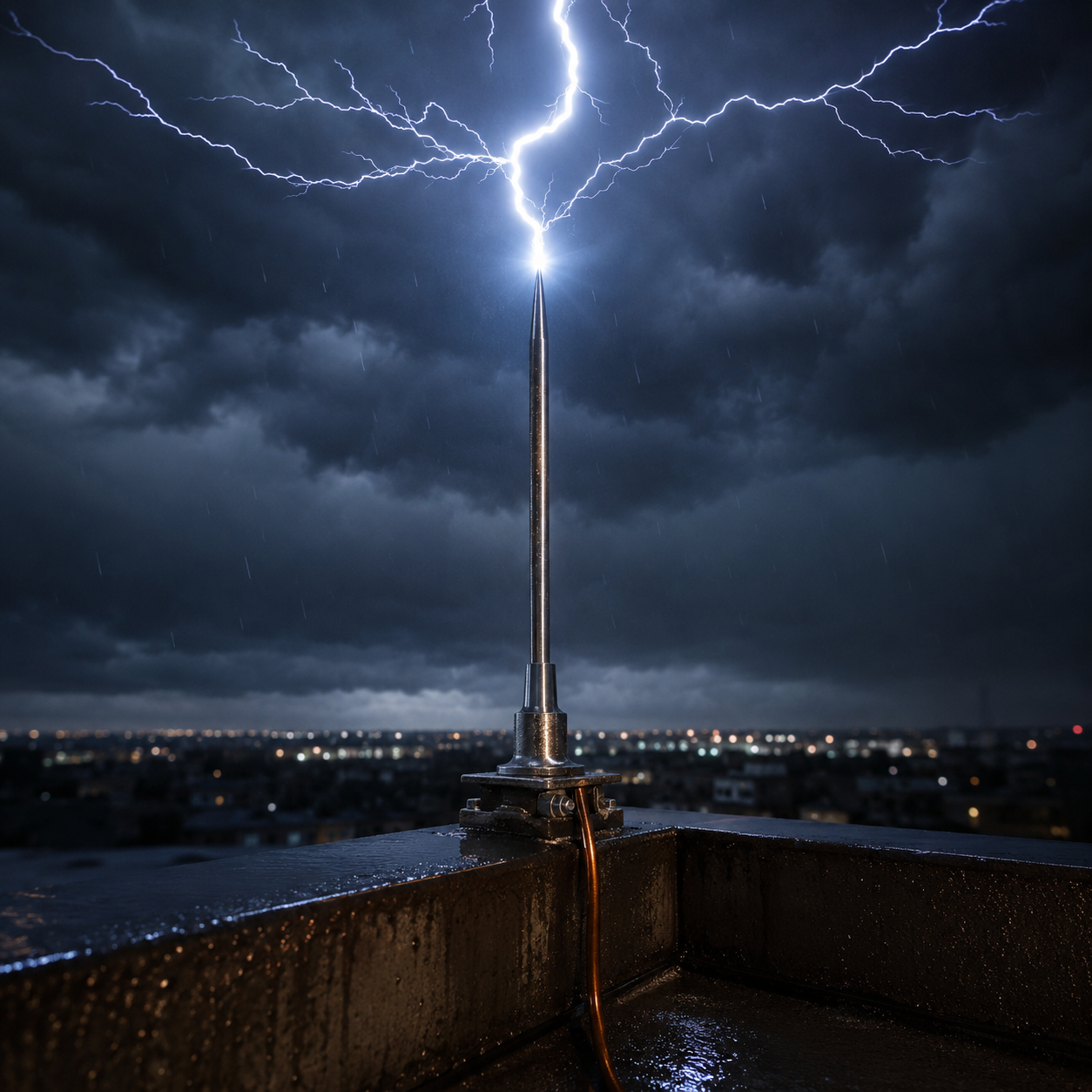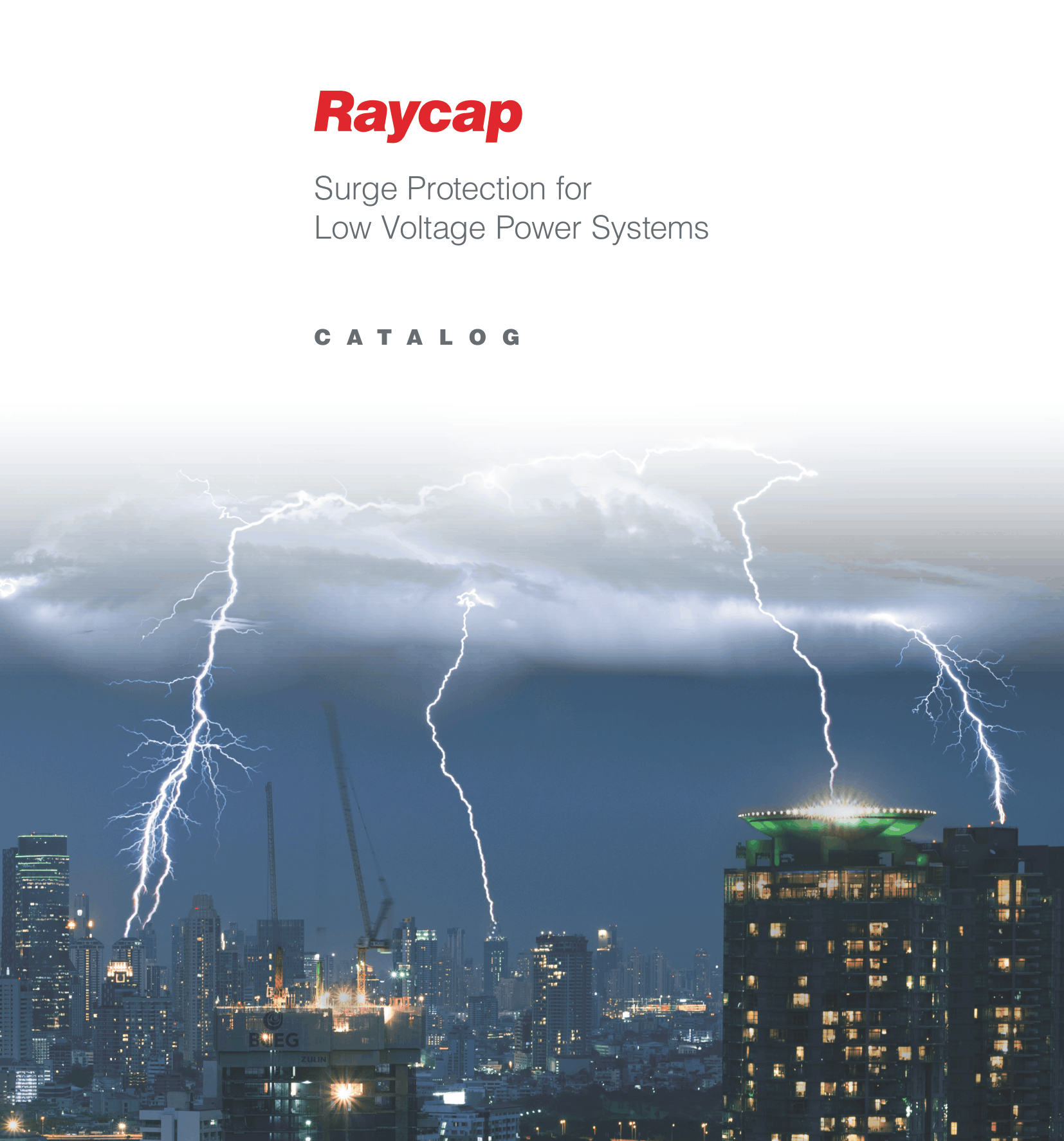
Lightning protection systems protect structures; an early warning system protects people and operations. A lightning rod or Faraday cage safely conducts a lightning current to ground — but it does nothing to protect a team working outdoors, a tanker being refueled, or an operator working on a crane at that moment.
Lightning early warning systems monitor changes in the atmospheric electric field and distant lightning activity as a storm approaches, providing advance notice of potential risk. This gives operators valuable time to suspend operations, move personnel to a safe area, and shut down sensitive systems before the threat reaches the site.
As the authorized representative of INGESCO for lightning detection and early warning systems in Türkiye, YILKOMER manages the entire process end to end, including system selection, positioning, installation, and commissioning.
How Does the System Work?
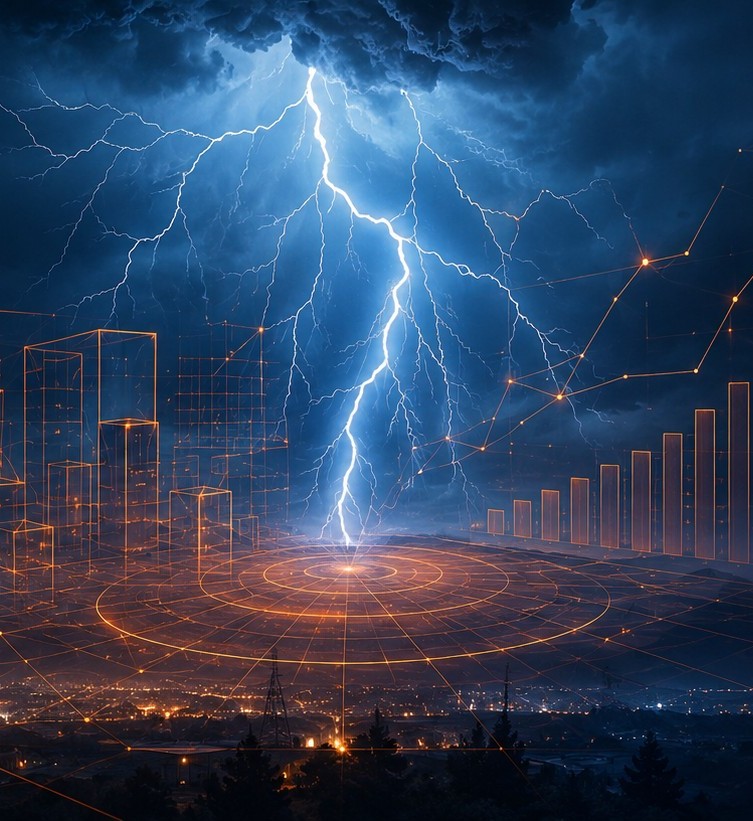
As a storm cloud approaches, the electric field at ground level changes significantly. Electric field sensors monitor these variations and detect increasing risk before any lightning discharge occurs. This is the earliest stage at which the system can issue a warning.
Electromagnetic sensors detect cloud-to-cloud and cloud-to-ground lightning activity occurring kilometers away, helping determine the storm's distance and direction of approach. Combined with electric field monitoring, the system provides information on both increasing risk and the storm's proximity.
The system generates graduated alerts based on the storm's distance and the level of risk: a distant storm notification, a precautionary alert, and an emergency alert. Each alert level can be defined according to the facility's own procedures, specifying which operations should be suspended, who should be notified, and which precautions should be taken.
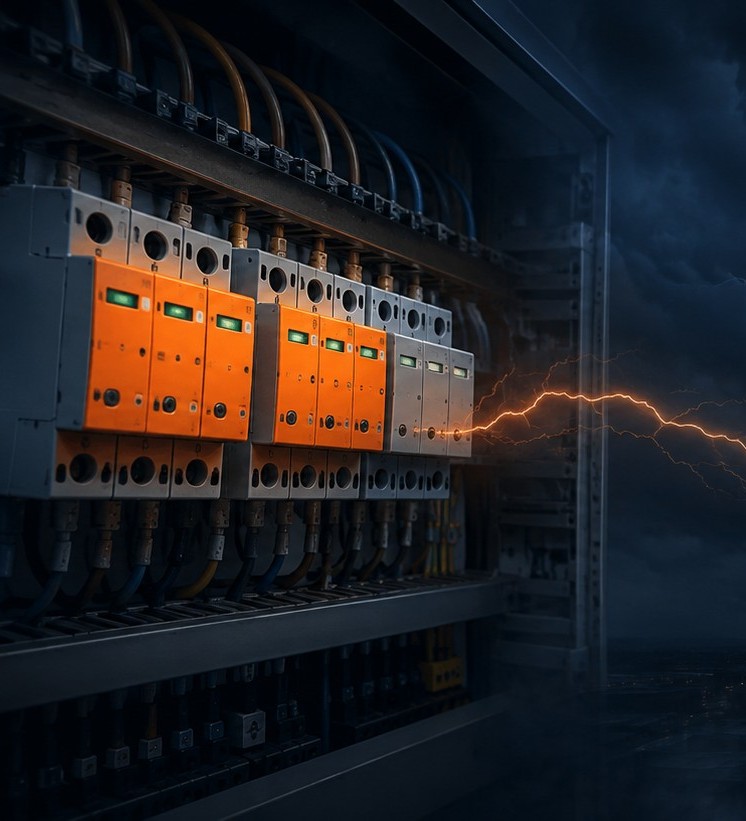
Alerts can be communicated via sirens, beacons, dry contacts for SCADA/automation systems, SMS, or mobile notifications. Once the risk has passed, the system issues an “all clear” signal, indicating that operations can safely resume.
Where Does It Provide Critical Benefits?
- Outdoor Operations — Construction sites, power transmission line work, telecommunications tower maintenance, and other activities where personnel are exposed outdoors.
- Fuel and Chemical Loading Facilities — Providing the critical time needed to suspend loading operations safely.
- Mines and Quarries — Allowing blasting operations to be postponed when lightning risk is present.
- Ports and Terminal Areas — Protecting crane operations and personnel working in open loading areas.
- Wind and Solar Power Plants — Improving the safety of maintenance teams working on turbines and solar panel fields.
- Airports — Supporting the safety of apron and ground handling operations.
- Sports Facilities and Outdoor Event Venues — Providing valuable time to move crowds to safety or evacuate exposed areas.
- Data Centers and Critical Facilities — Providing time to place sensitive systems into a safe operating mode in advance.
The Application Process
- Site Assessment. The size of the facility, outdoor operations, and the lightning activity in the region are assessed.
- System and Sensor Selection. A single-point or multi-sensor configuration is determined according to the scale and requirements of the facility.
- Sensor Positioning. The installation location is selected by taking nearby structures and metallic objects that may affect the sensor’s measurement accuracy into account.
- Alarm Integration. Siren, beacon, SCADA connectivity, and notification channels are configured.
- Operational Procedure Definition. The actions to be taken by the facility at each alert level are clearly defined and documented. A system alone cannot provide effective protection without established procedures.
- Commissioning and Training. The operating team receives training on both the system and the relevant operational procedures.