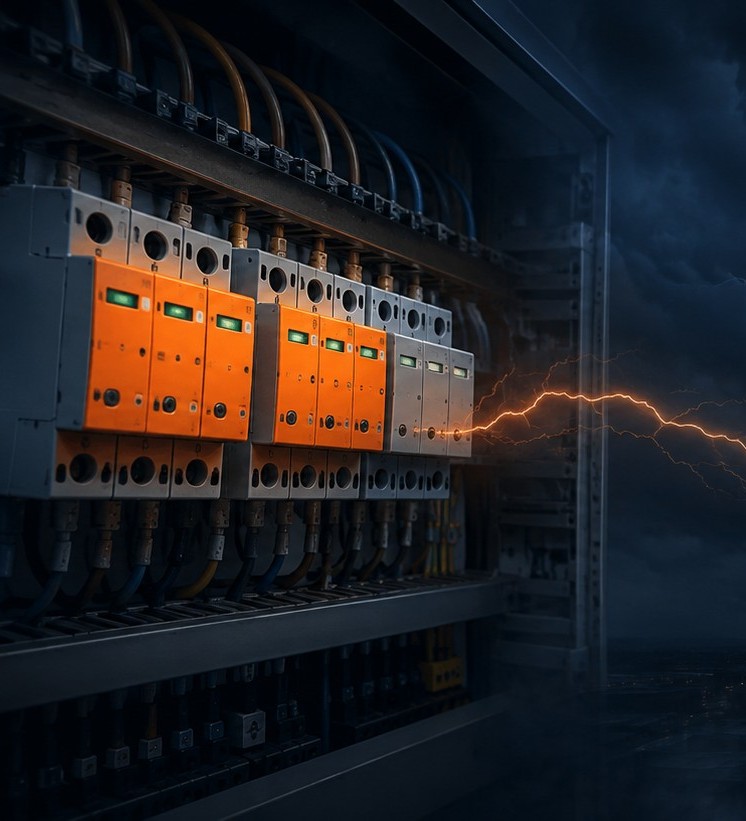
Electrical systems are most commonly damaged due to internal overvoltage surges. Therefore, overvoltage protectors should be used in every facility. Overvoltage protectors, also known as surge protectors or internal lightning systems, are essential. Although lightning strikes are the most well-known type of overvoltage, the majority of electrical systems are damaged due to internal overvoltages. The main causes of internal overvoltage are:
Grid-induced voltages
Harmonics
Switching elements
Coupling effects
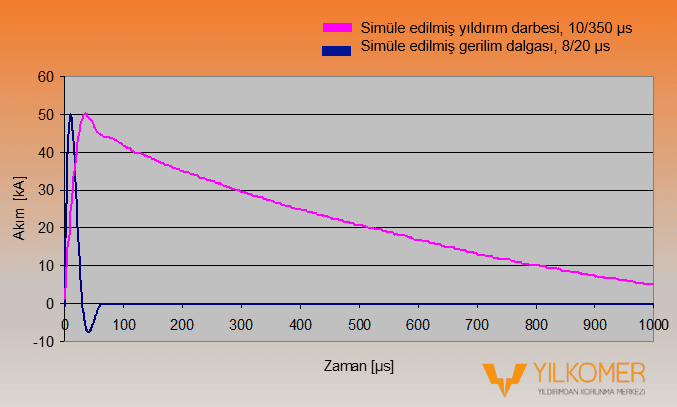
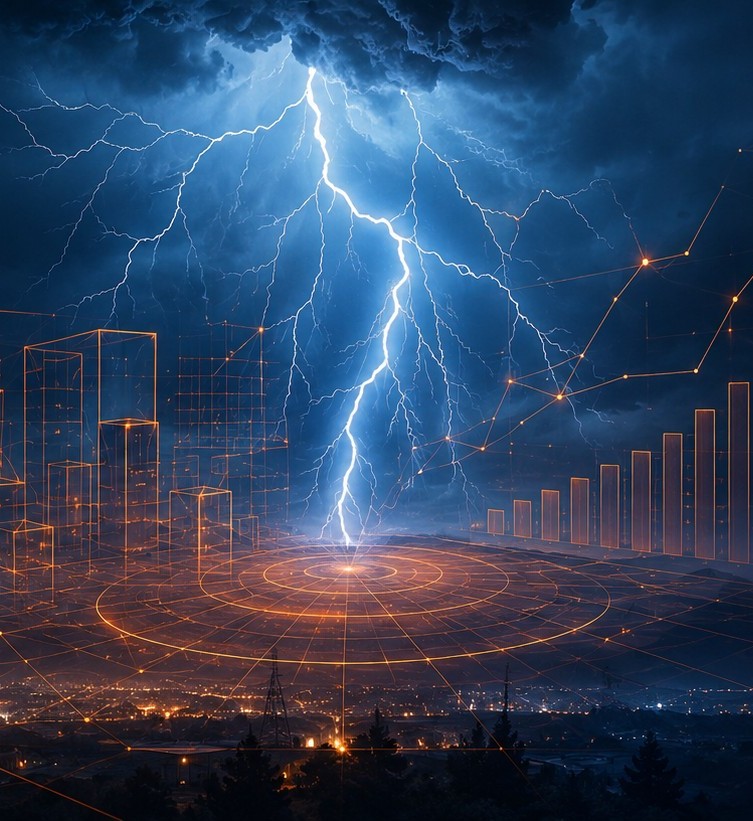
Internal overvoltage and lightning surge characteristics
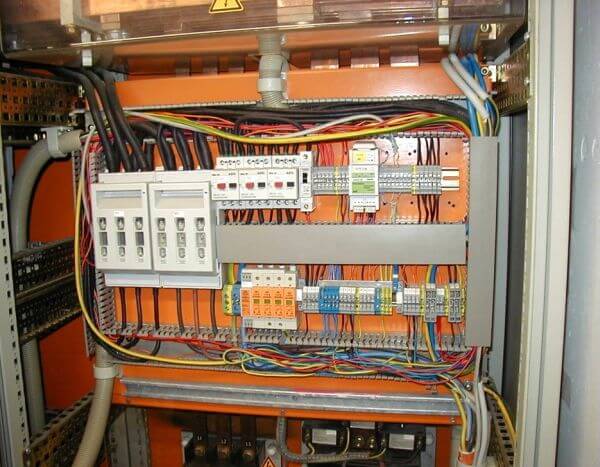
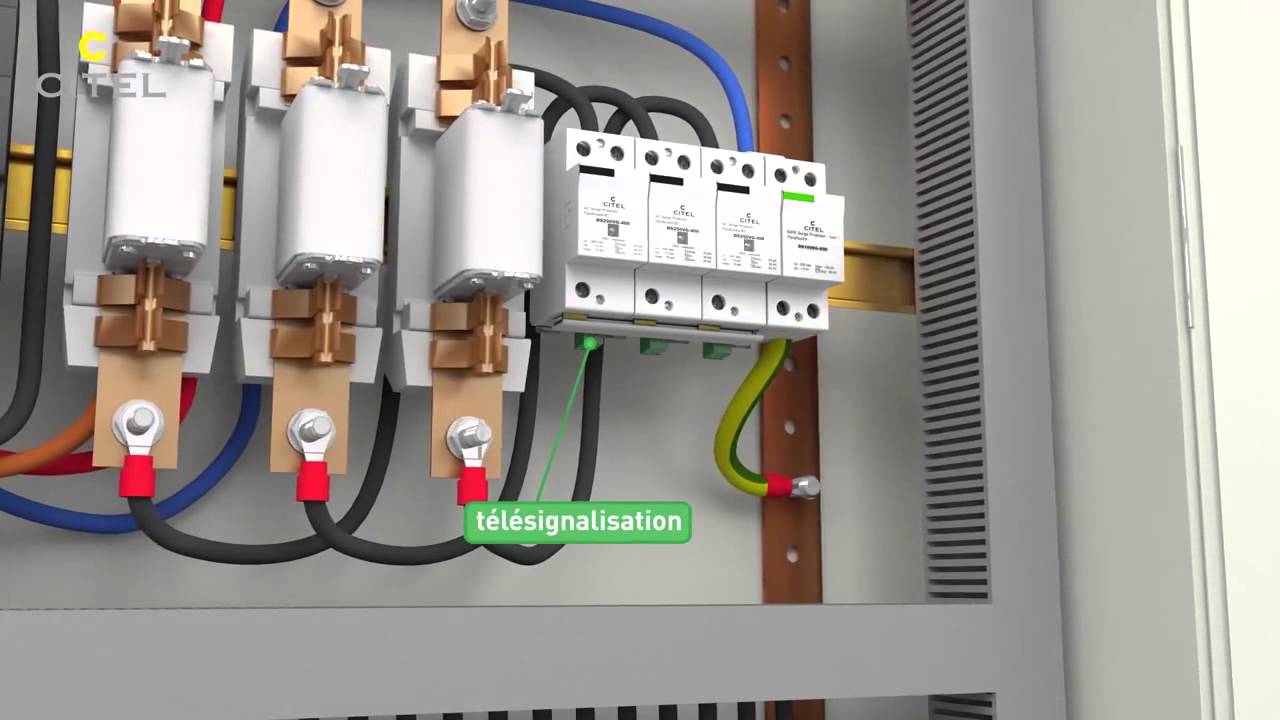
To provide complete protection against internal overvoltages, surge protector systems should be installed in a staged manner. Main panels should use B+C class protectors, while secondary panels should use C class surge protectors. B class products should be connected to the system with 16 mm² cables and C class with 6 mm² cables.
Parallel cabling should be avoided (protected and unprotected cables). Cables and surge protectors should not form loops.
Internal overvoltages can easily damage sensitive devices. To protect these devices, we recommend using D class surge protectors for sensitive protection. Examples of such devices include:
CCTV, cameras, DVR
PLC systems
LED lighting systems
Communication lines (RS232, Profibus, etc.)
Telecom lines (terminals)
Inverters
You can watch our video below to see how to install surge protectors.
Tell us about your project and we will get back to you shortly.
View Your Result
Your calculation is ready. Leave your contact details and your risk assessment will appear right away.
Get a Quote for Your Selection
Your answers from the tool have been added to your request automatically. Leave your contact details and we will confirm the recommendation and prepare your quote.