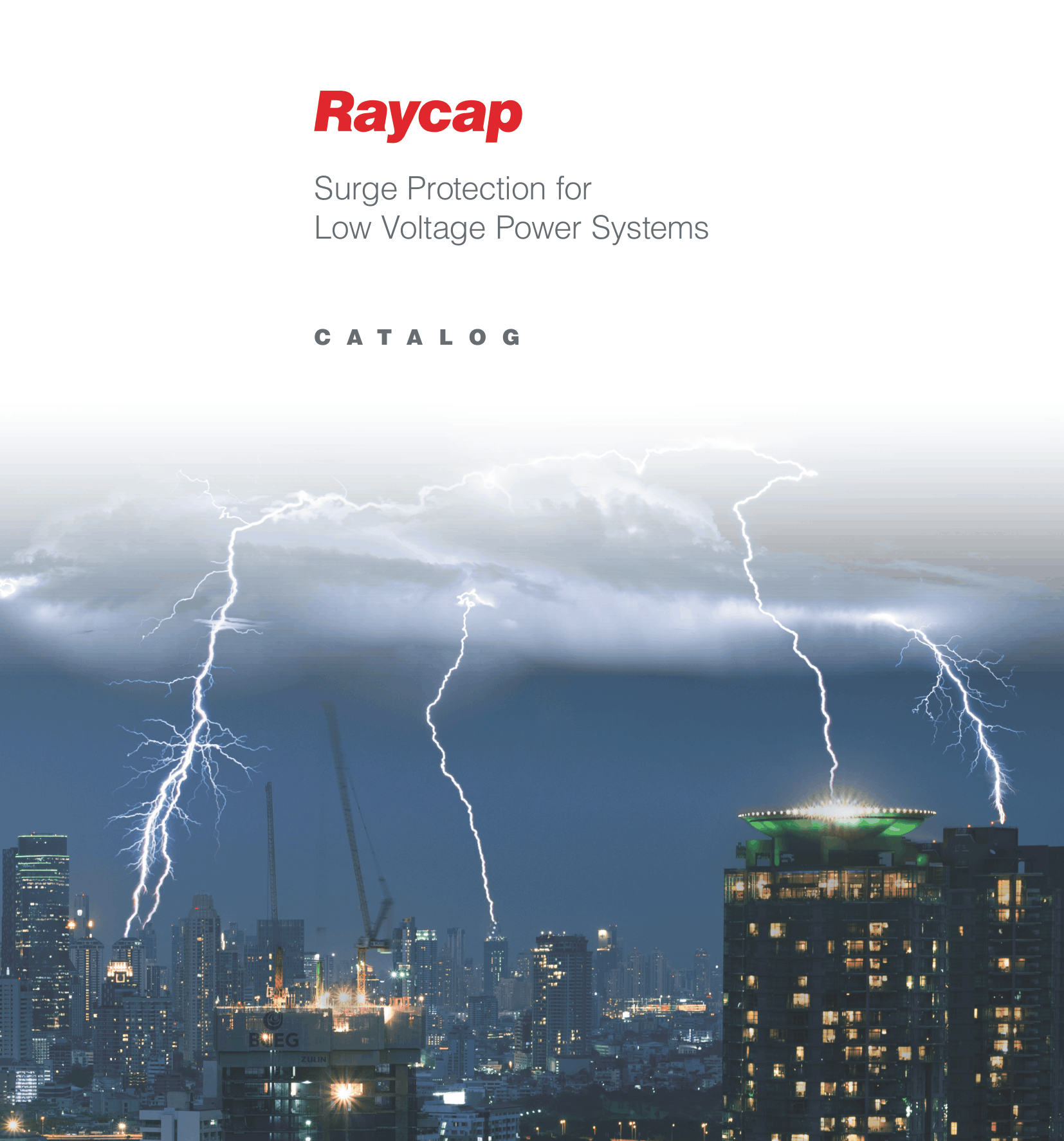
External lightning protection systems
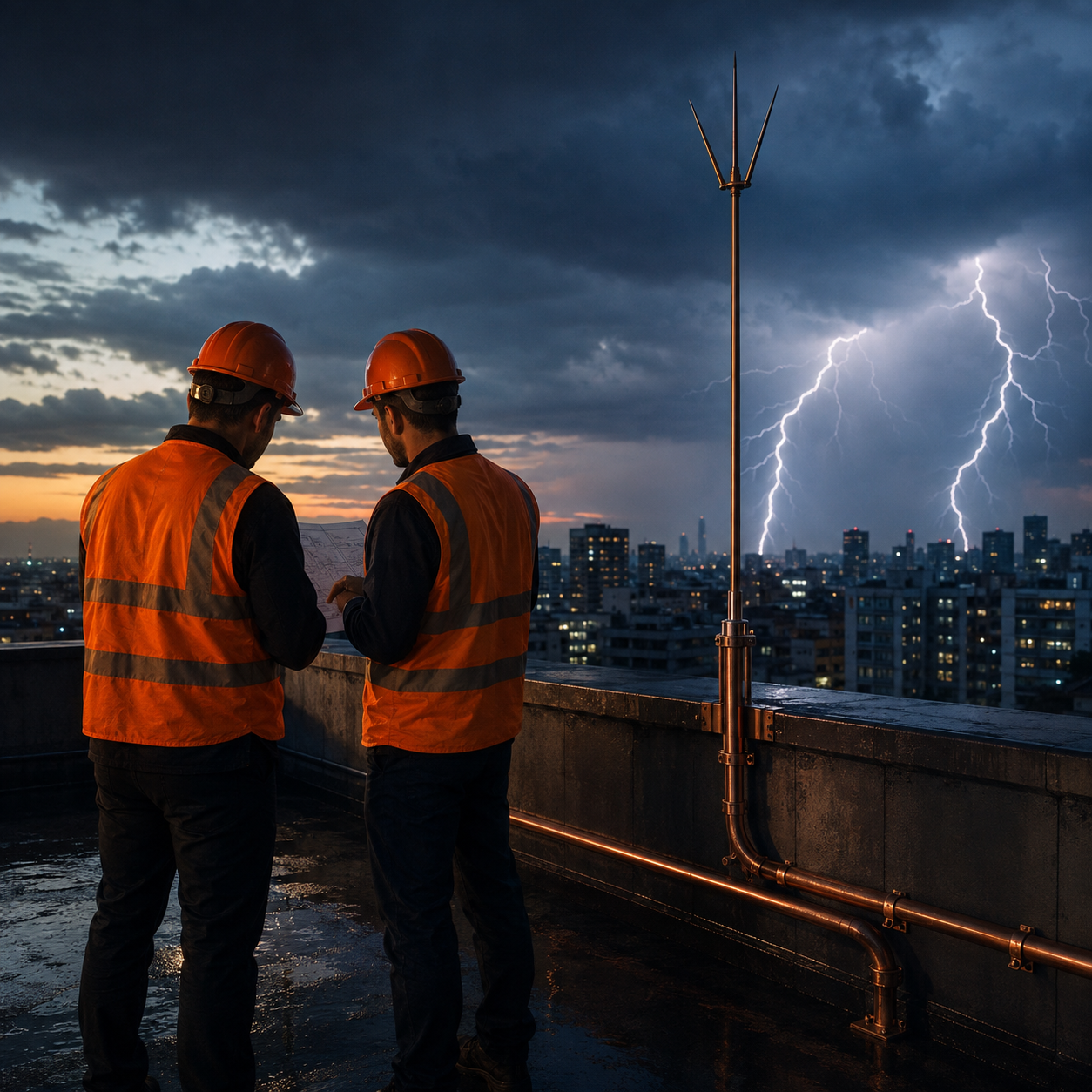
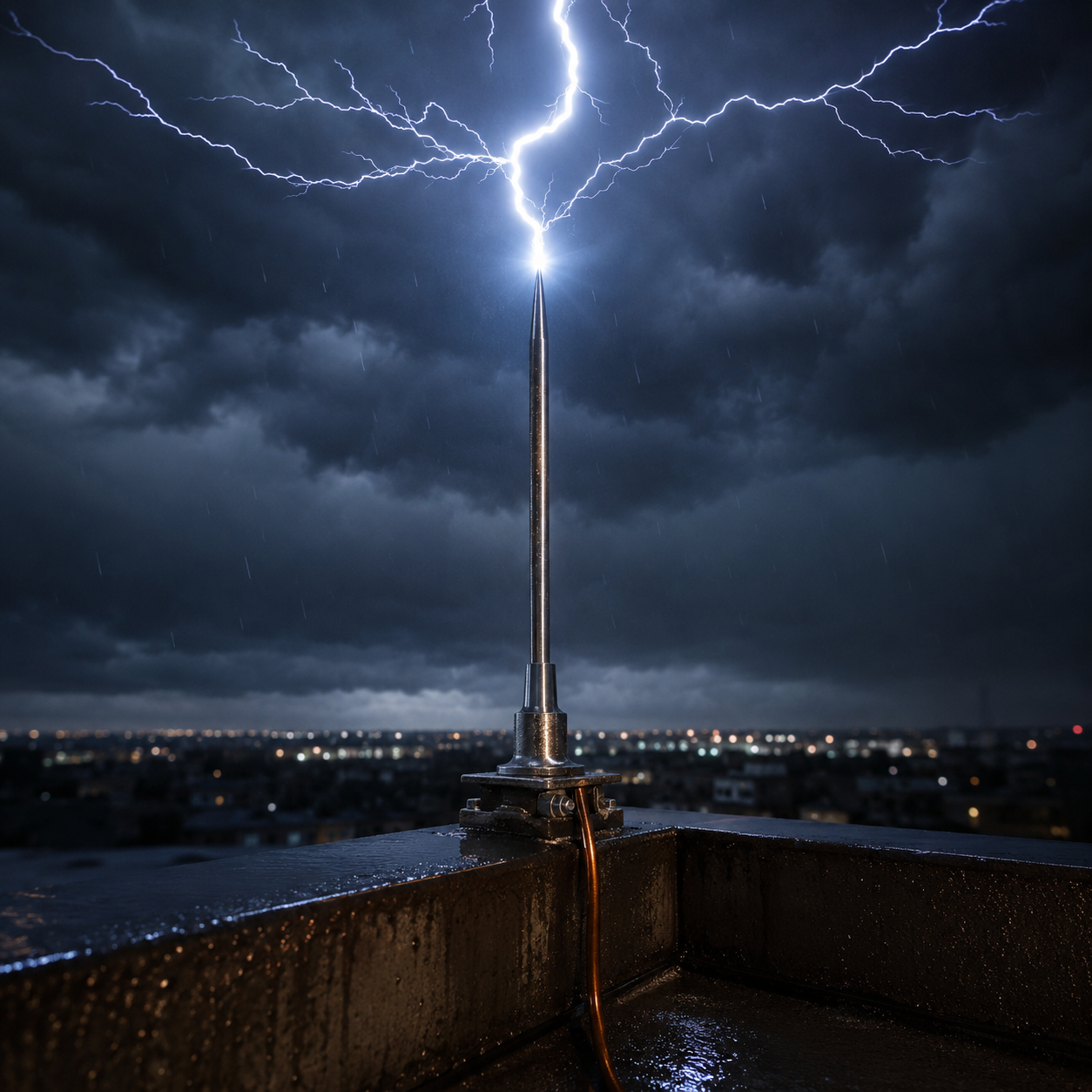
(Faraday Cage – Lightning Rod Systems) take the necessary precautions against electric shock to people and physical damage to buildings. However, lightning impulses that can reach up to 200 kiloamperes create a major risk for all electronic systems and devices within the facility as the current flows from the external lightning protection system to the ground. Lightning also poses a serious risk due to its magnetic effects along the path it follows while reaching the ground from the external lightning protection system. Even if lightning strikes a point within a 2 km radius of our building, our systems may still be damaged for this reason. The way to prevent all these damages is to use
Low Voltage Surge Protection
systems in front of our panels and devices.
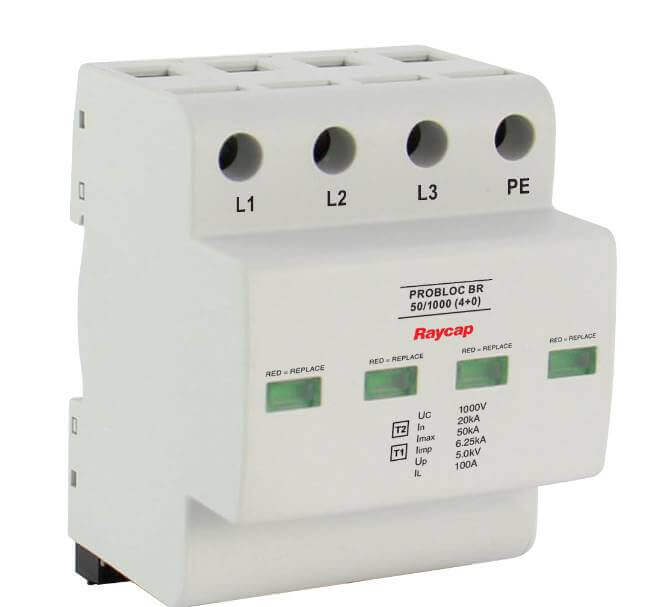
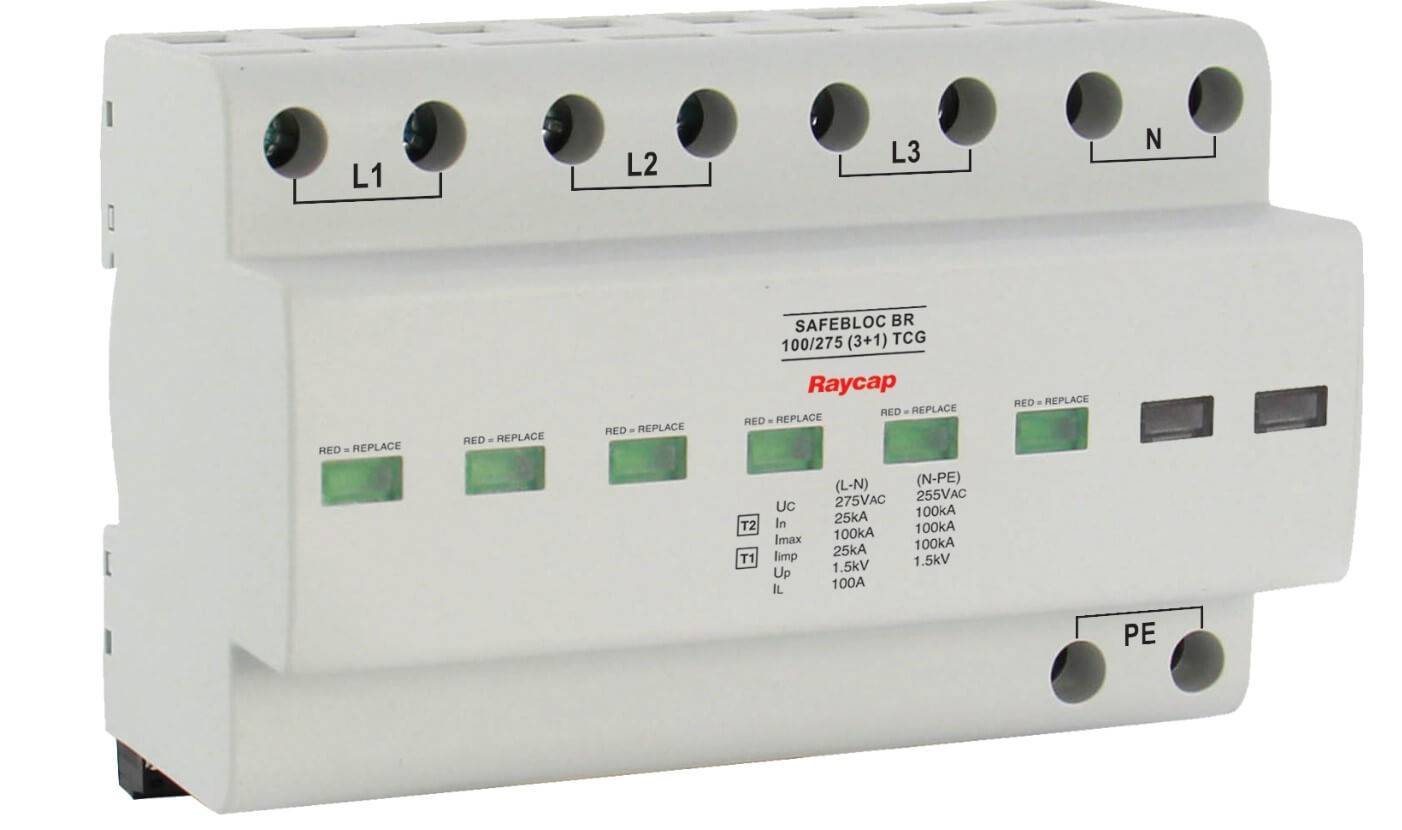
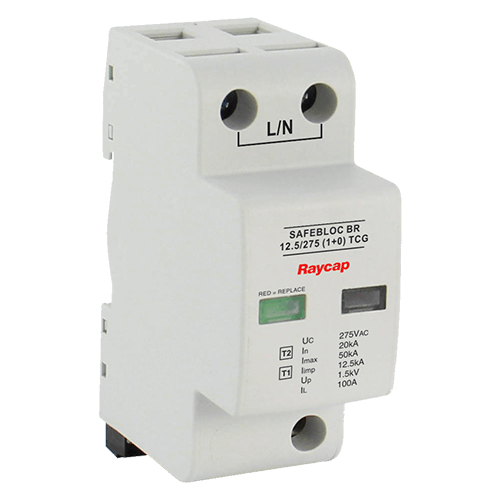
Use of Surge Arresters
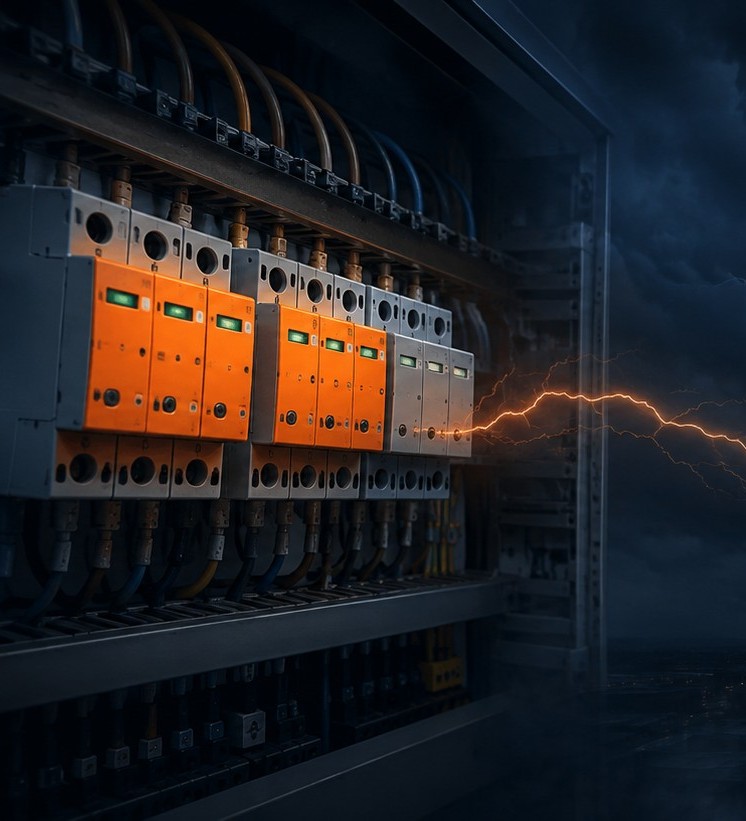
However, the surge arresters we use may easily go out of service after receiving an impulse, or if the impulse exceeds their capacity after the first strike, they may complete their duty and then become inactive, leaving the system unprotected. In varistor-based products, cartridges usually indicate failure by changing the color of indicator flags. This situation poses a major risk in areas where lightning strikes occur frequently. Therefore, next-generation products that do not rely on semiconductor technologies such as varistors or diodes, but instead focus entirely on chemical quenching, are far more advantageous in every respect.
Spark gap
technology-based lightning protection products are manufactured entirely with this technology in Class B lightning protection-focused products. A 200 kA lightning impulse is known as the largest common impulse; however, lightning discharges can occasionally reach even greater magnitudes. Considering all impulse types and magnitudes, the use of spark gap technology products—considered to have unlimited service life because they contain no burnable components and do not go out of service—is always more advantageous. In Class B products, continuously replacing cartridges leads to additional costs for users, and identifying an out-of-service surge arrester without an expert engineer can sometimes be quite difficult. To eliminate all these risks, we recommend spark gap technology protection units with superior protection based on chemical carbon rings, especially for main distribution board protection in lightning protection systems.
This revolutionary technology in surge protection ensures long-lasting protection in facilities. Especially in hospitals where the risk is high due to the lack of permanent technical staff, and in factories where production continuity is critical, protecting main distribution boards with spark gap technology products is of great importance.
This technology is also used in B+C Class and Class C products, as well as in Class D surge arresters installed at grounding damping points. As mentioned at the beginning of this article, the sharp climatic changes in our country have significantly increased the number of stormy days (days with lightning strikes), and the importance of surge protection units has grown tremendously.
To protect your devices from lightning, the use of lightning rods and Faraday cages alone is NOT sufficient.
The emergence of the need for protection unfortunately follows an inverse relationship with technological development. As electronic devices become smaller, their operating voltages decrease to much lower levels. It is well known that during the historical transition from vacuum tube devices to transistor-based and integrated circuits, operating voltages of electronic components dropped from 3000 V to 24 V and even 5 V DC. As a result, electronic devices have become increasingly sensitive. Since voltage levels generated during electrical switching (inductive loads) or lightning discharges (up to 200 kA) have not decreased proportionally, we must equip our systems and equipment with appropriate protection components.
If there are no internal lightning protection systems in your electrical installation, all electronic devices inside a structure that has an external lightning protection system on it or within a 2 km radius are under threat due to coupling effects caused by lightning strikes!
Protection of Electronic Systems
From industrial facilities to residential buildings, from hospitals to base stations, surge protection devices are required wherever electrically powered equipment exists. We certainly do not want our LED TV at home or any machine in a factory to burn out due to overvoltage. Sensitive data processing systems, telecommunications and network infrastructures, and mass production lines must continue to operate without damage. Even one hour of downtime can result in losses of millions. Therefore, systems and devices must be protected with a relatively small investment. However, due to precautions not taken in advance, millions in damages continue to occur every year as a result of overvoltage.
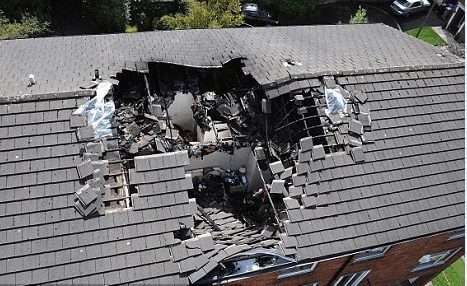
Surge protection
systems are used in a wide range of applications, from main distribution network protection to sensitive equipment protection, from data lines to measurement and control systems, and even for protecting metal pipes through spark gap separation distances. Systems can be installed centrally or in a distributed manner.
In conclusion, we must use SURGE PROTECTION DEVICES (LV SPD). Since continuity is critical in product selection, the use of chemically quenched products (SPARK GAP) that provide unlimited protection against impulses is of great importance.