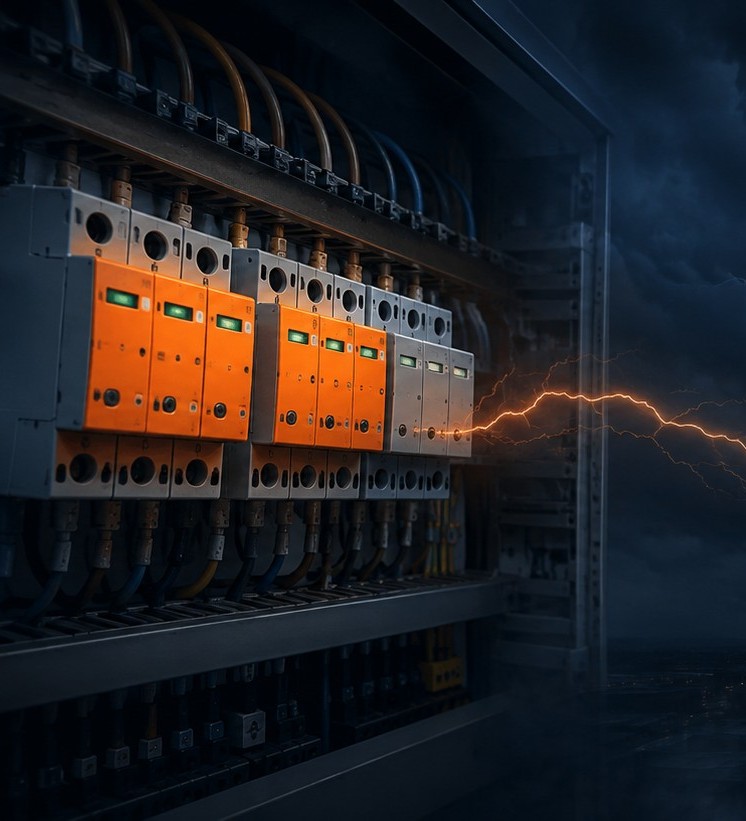

As you know, Raycap Strikesorb systems are the world’s most advanced low-voltage surge protection systems. They can provide protection even against 200 kA impulses per phase. They are also capable of absorbing an unlimited number of surges and can operate without requiring a low grounding resistance value. These products, which can be connected inline (series) to the system, offer outstanding protection with a service life of 20 years.

Before starting to protect the telecom tower, let us take a look at lightning protection zone areas within the scope of IEC 62305 Standards.
LPZ 0A – Area that may be exposed to a direct lightning strike.
LPZ 0B – Protected against direct lightning strikes but electrically inducible.
LPZ 1 – Exposed to all electrical surges and must be protected with SPDs.
LPZ 2 – Must be protected against all surges with low-voltage SPD systems.

When we examine the zone areas defined in the IEC Standard, we once again understand the importance of using low-voltage SPDs. Even if the strike is not direct, we must protect against the electrical effects of lightning in all zone areas. At this point, the base station must be protected according to the principle of coordinated (cascaded) protection.

First of all, protection should be provided at the main incoming point of the facility with the Raycap Rayvoss system. In addition, the Raydin XV system should be integrated into the distribution panel.

One of the most frequently failing systems in telecom base stations is generators. Generator systems should primarily be protected with Raycap Raydin systems.

After protecting the main incoming line and generator, the UPS, DC lines, coaxial and Ethernet lines, and secondary power panels in the facility should also be protected.

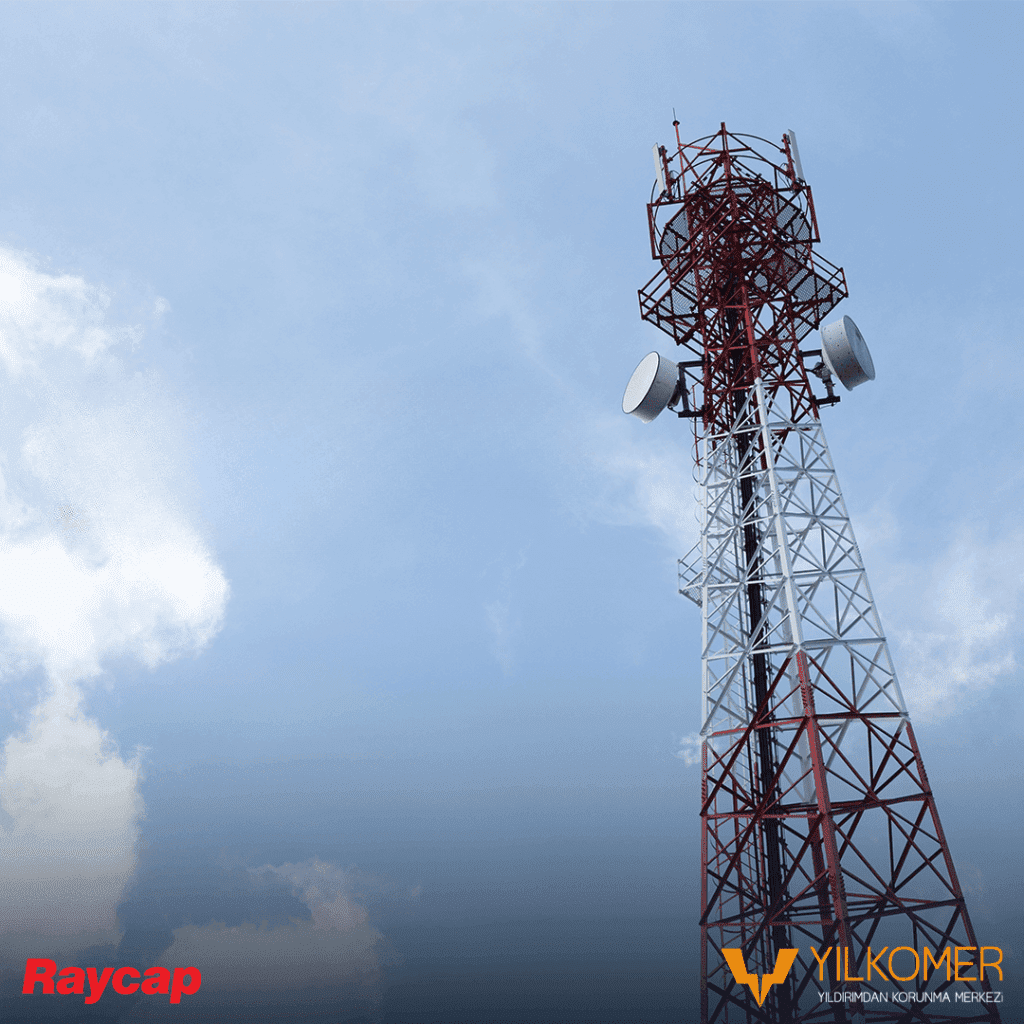
On the base station mast, coaxial and power line protections must also be implemented.

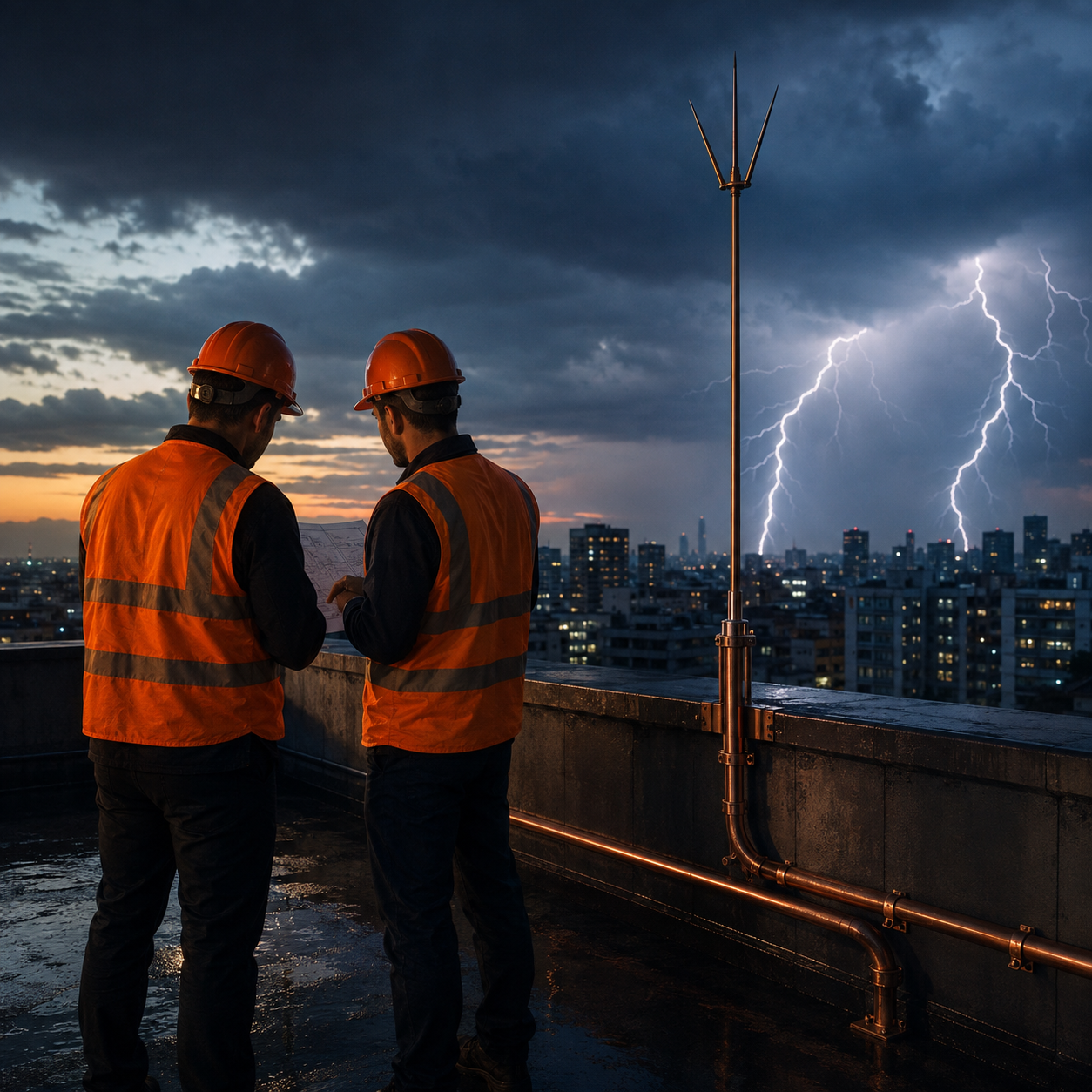
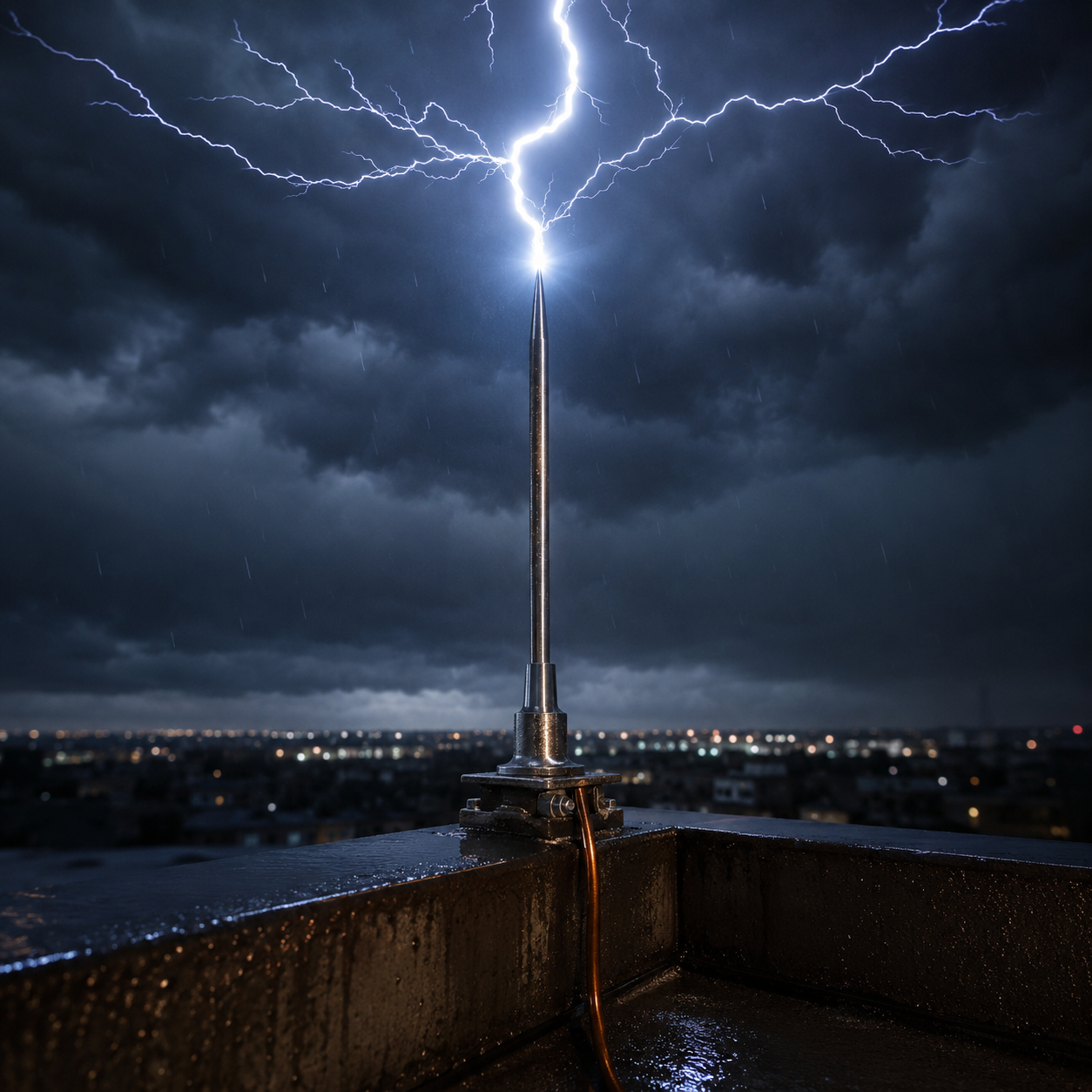
After installing the correct surge protection systems so that no exposed point remains in the facility, an equipotential bonding check must be carried out throughout the site. Against the physical effects of direct lightning strikes, protection should also be provided using insulated passive air terminals and insulated down-conductor systems.
Raycap Strikesorb technology is the most suitable lightning protection solution for facilities at altitudes of 1500 meters and above. For sites suffering from chronic lightning problems, Raycap Strikesorb low-voltage SPD systems provide a definitive solution. For detailed information and to request a site survey, you can contact the Yilkomer expert team.