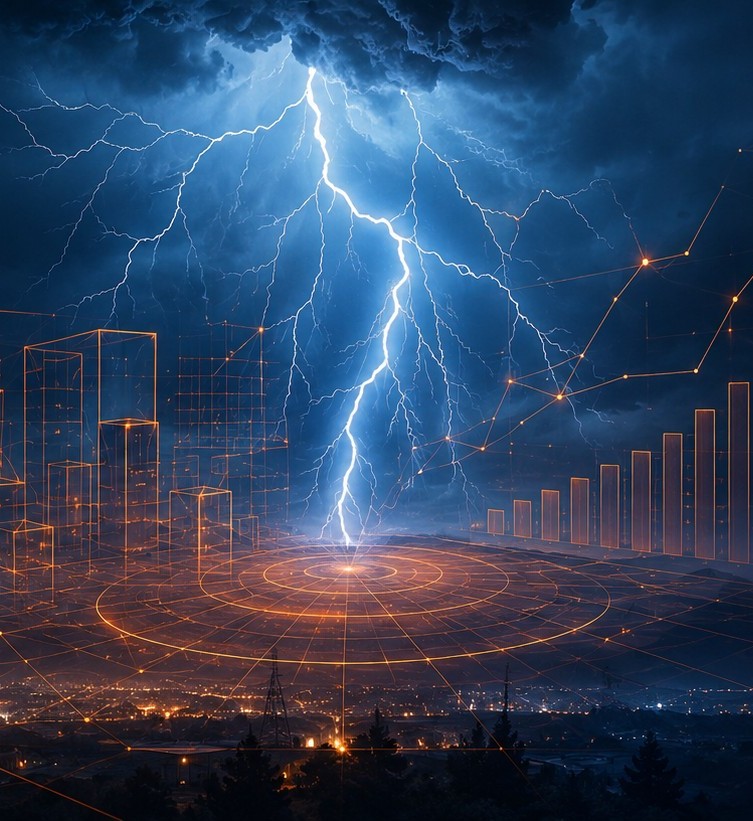
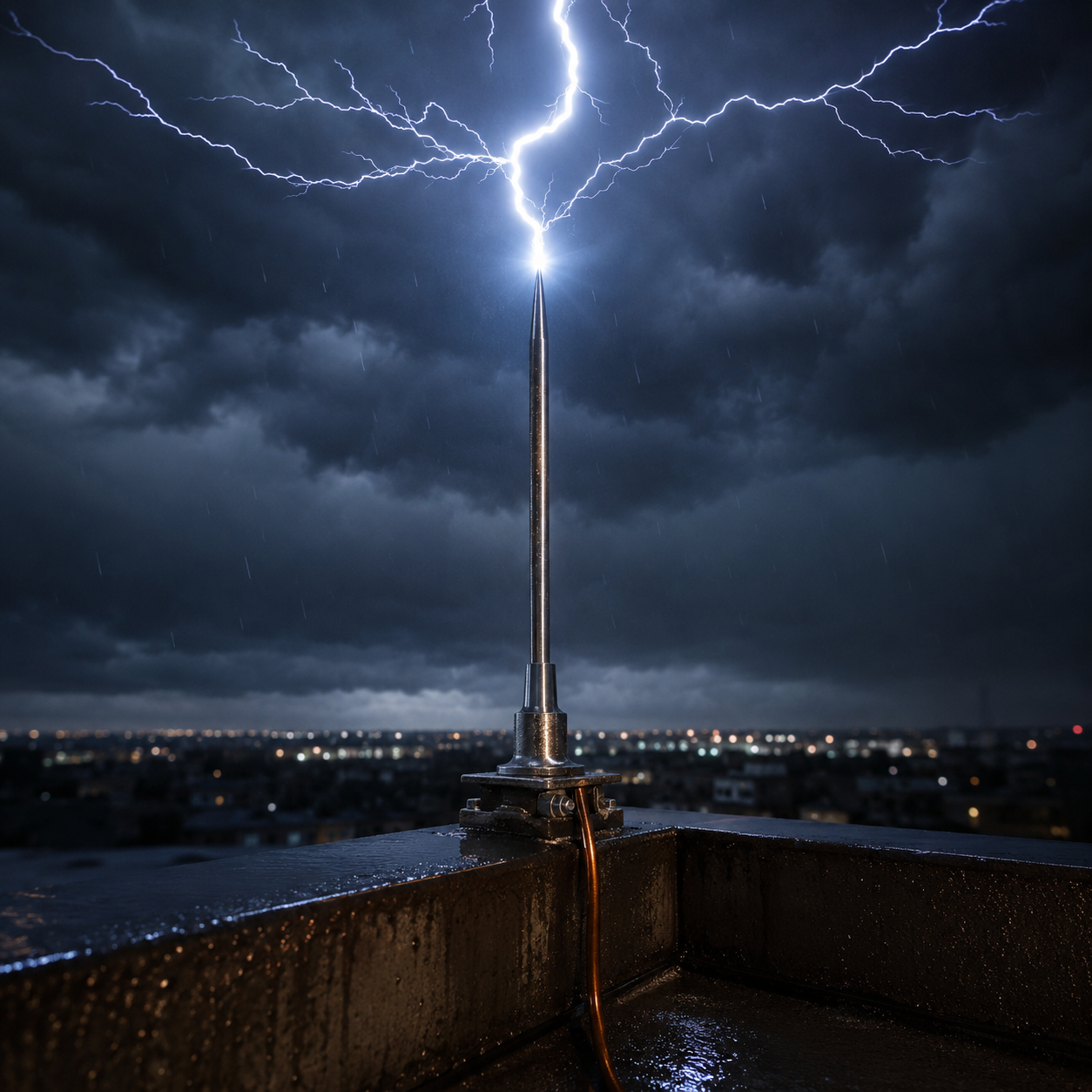
One of the most important stages of lightning protection is the calculation of lightning risk. Especially when selecting an external lightning protection system, the lightning risk calculation must be calculated according to IEC 62305standards to obtain the most optimized result. You can access the details of how to perform a lightning risk calculation for a structure in the IEC 62305-2 section.
When performing lightning risk calculation, the following factors are taken as a basis.
Table of contents
Danger structure for people
Number of thunderstorm days
Structure occupancy coefficient
Relative location of the facility
Fire Risk
Importance of the service provided by the building
Electrical Lines
Lightning Protection Level (LPL)
Installation dimensions
Lightning Density Ng
Lightning density is the number of lightning strikes falling on an area of one kilometer in a year. The lightning protection level is higher for places with high lightning strikes. As lightning density decreases, the risk also decreases.
Danger Status for People
No Danger 1
Low Level Panic (<= 2 floors, <100 people) 2
Panic Medium risk (<1000 people) 5
Difficult to evacuate (disabled, hospitals) 5
Panic high risk (> 1000 people) 10
Hazard to surroundings or environment 20
Surroundings and environmental pollution 50
When calculating lightning risk, the danger status of the structure is taken into account.
Structure Occupancy Rate
If the structure is empty 0.1
Normally Occupied 0.01
Status of the Building Relative to the Environment
Structure surrounded by trees and high objects 0.25
Structure surrounded by similar or lower objects 0.5
Tell us about your project and we will get back to you shortly.
View Your Result
Your calculation is ready. Leave your contact details and your risk assessment will appear right away.
Get a Quote for Your Selection
Your answers from the tool have been added to your request automatically. Leave your contact details and we will confirm the recommendation and prepare your quote.