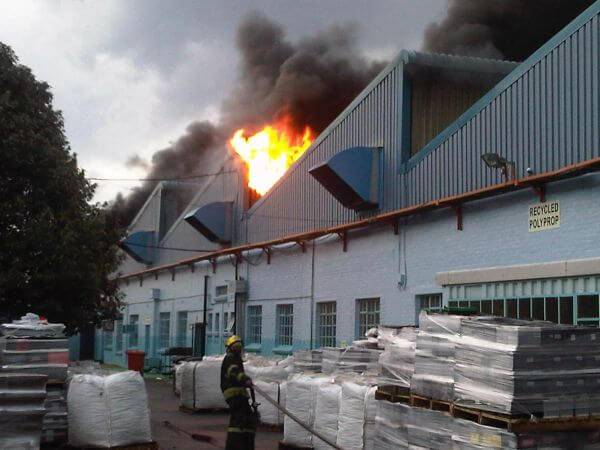
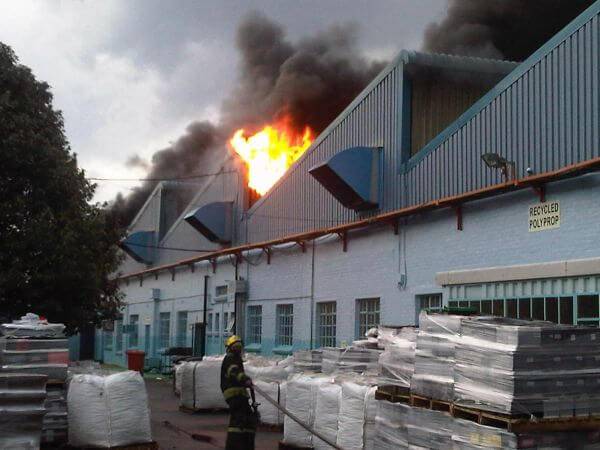
For this reason, in risky situations, in order to ensure life and property safety and occupational safety in industrial facilities, the use of insulated down conductors that are resistant to a 200 kA test impulse and can isolate magnetic and thermal effects is recommended by the Lightning Protection Center. Especially for down conductors installed through building shafts, since there is a long-term and persistent risk, the use of an insulated lightning down conductor is recommended for the installation.
https://www.youtube.com/watch?v=Id4SIO1jt6k&feature=youtu.be
Iscon
All equipment of Iscon (isolated conductor) or HVI (High Voltage Insulated) systems has been tested against lightning strikes. Connection components, insulated wall down conductor systems, and support systems are integral parts of these systems and have insulation and isolation test certifications. Therefore, we must include all system components in our designs to protect against sparks and possible arcing.
Use in Lightning Rod Systems
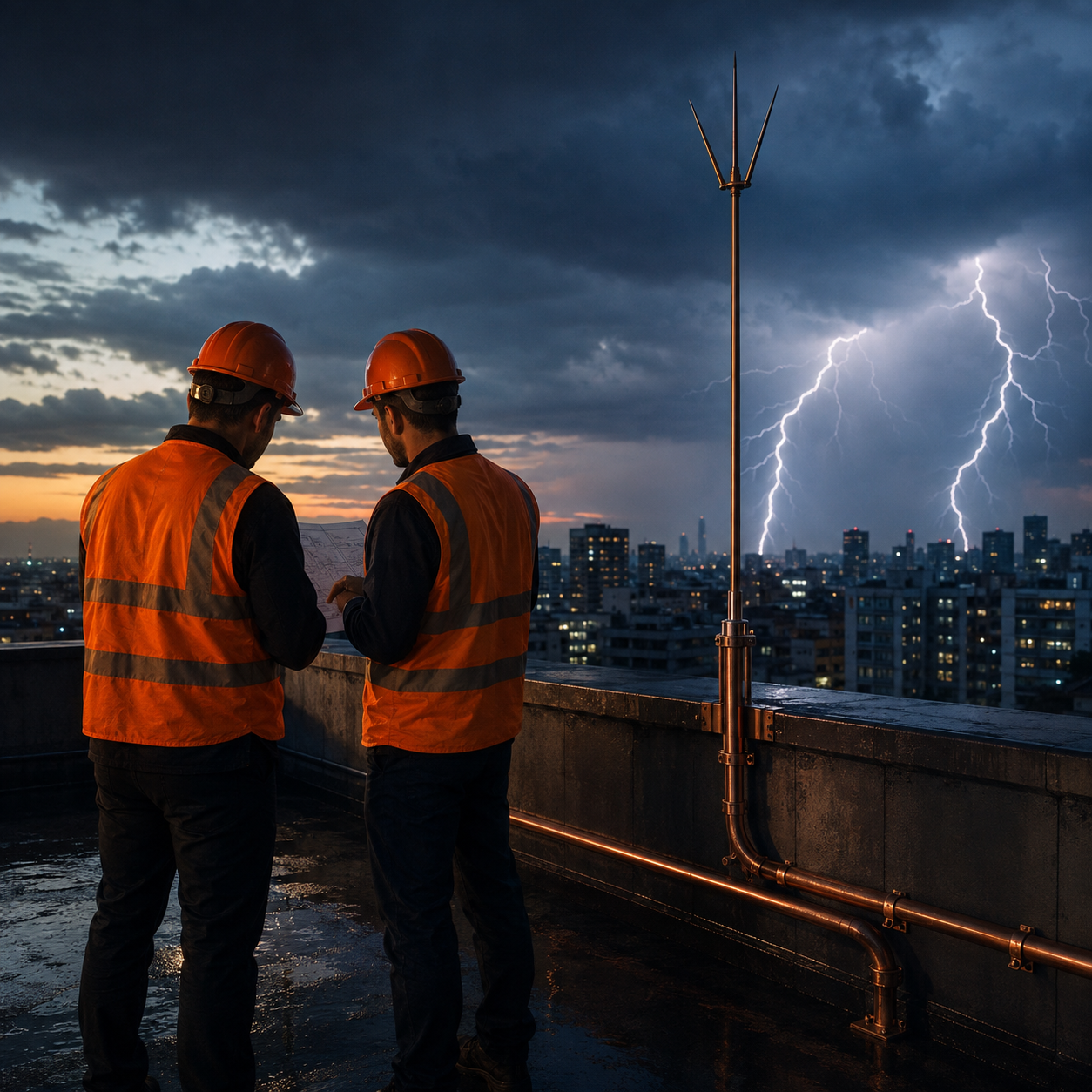
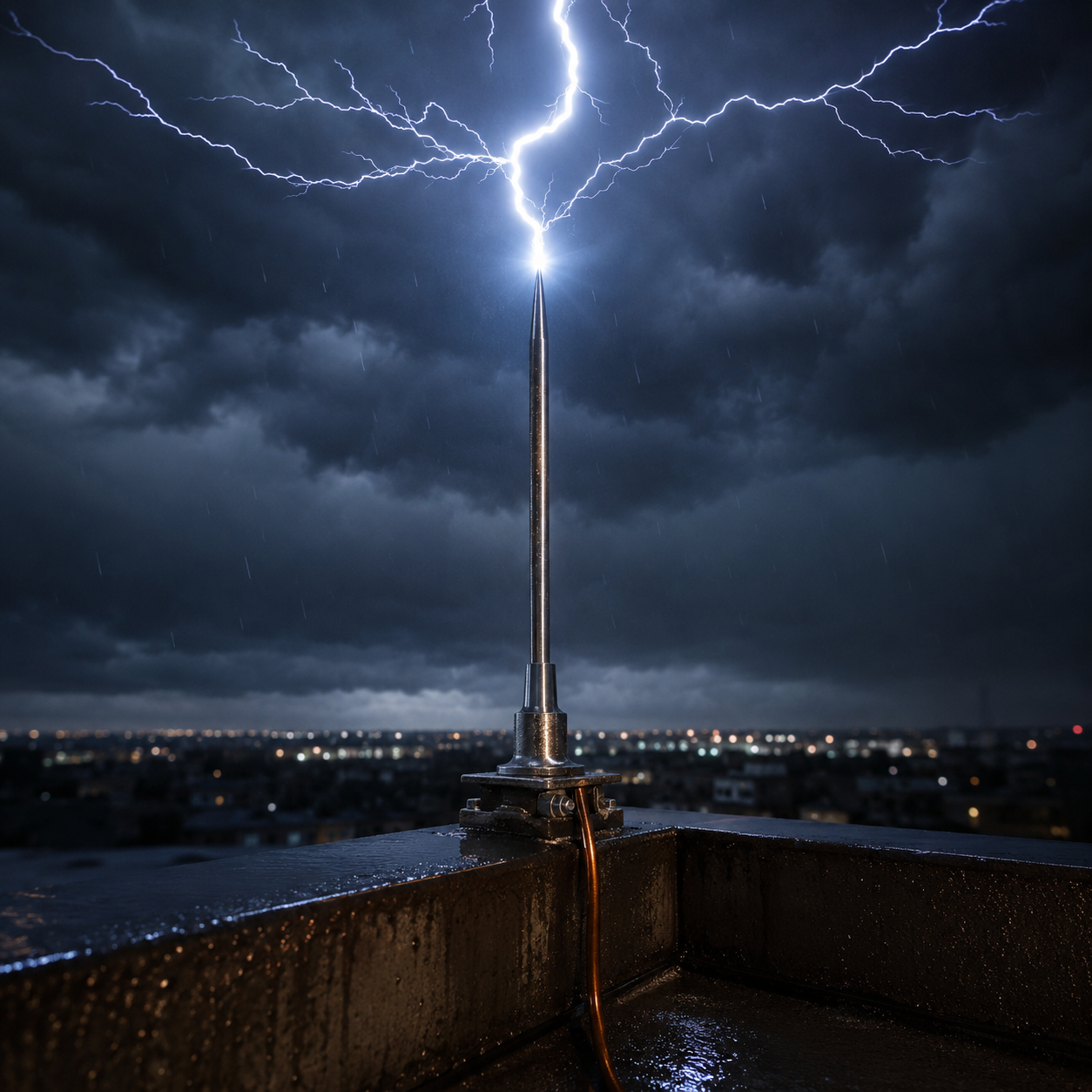
In Lightning rod systems, instead of bare copper down conductors installed in parallel, single-insulated lightning rod down conductor systems can be used. In line with technological developments, especially in Germany, bare copper down conductors are no longer preferred. We can also prefer insulated lightning down conductors for the safety of our installations and structures. Especially in flammable and explosive facilities, hospitals, schools, industrial plants, and data centers where data and information loss is critical, using insulated lightning down conductors will provide safe systems by preventing system damage due to coupling effects and reducing fire risk.
As Yılkomer, in the systems we install, we generally implement our designs using insulated lightning down conductors that are compatible with insulated lightning air termination systems. We recommend this design, which provides maximum system and installation safety, to our users and customers. You can contact our engineering team for system design and detailed information.