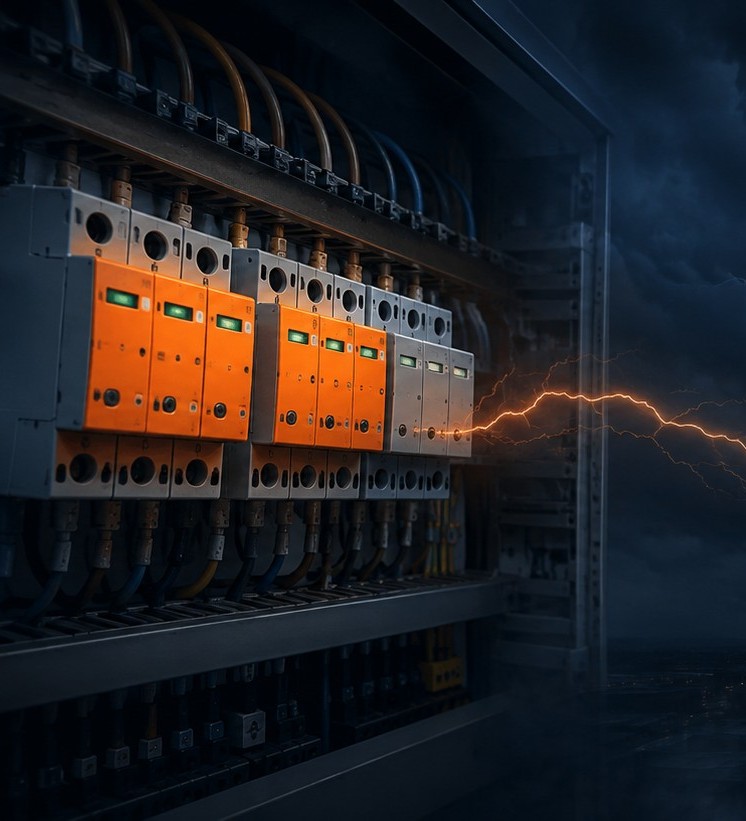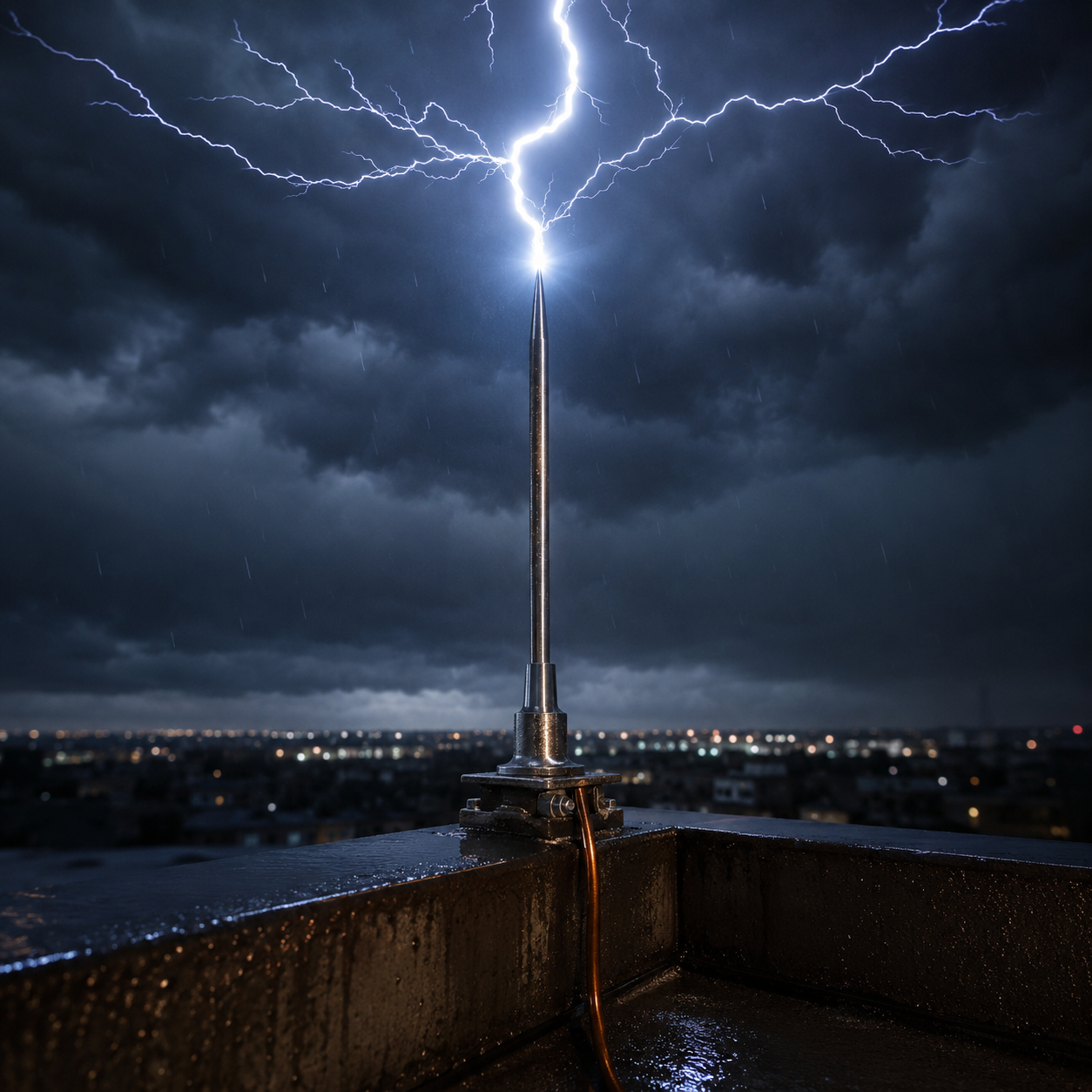
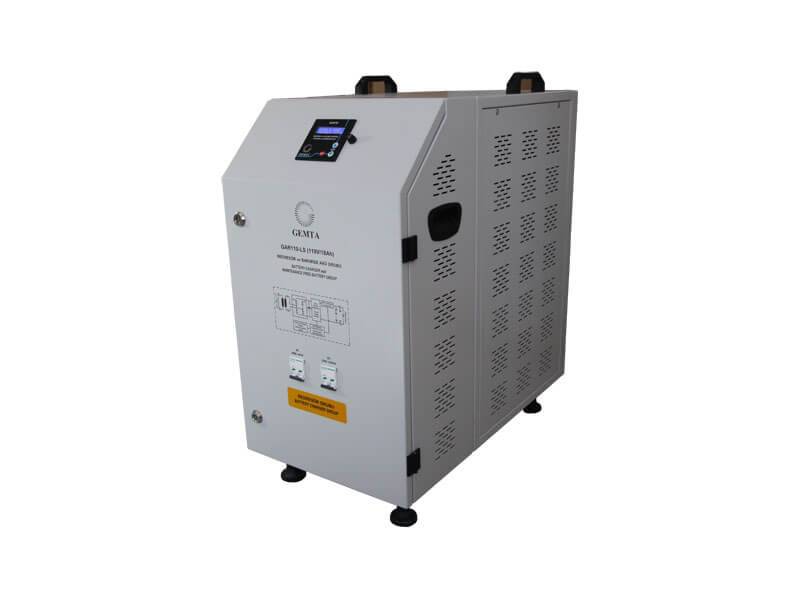
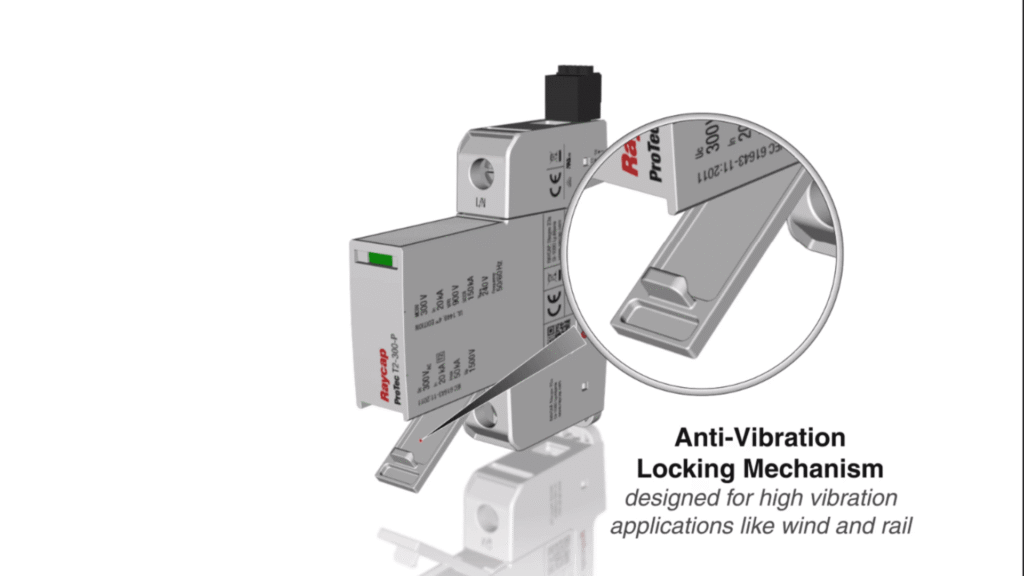
As Lightning Protection Center, we recommend using compact products at rectifier inputs. Since space is limited, for lightning impulses, B-class LV surge arresters and for mains surges, C-class LV surge arresters should be used. If uncoordinated products are selected, the C-class device may operate first, causing the system to go offline. Therefore, compact B+C class devices should be used on the AC side, and sensitive TİP 2+3 devices for the DC side to ensure system protection. Installation is also important. A minimum 16 mm² conductor should be used, and the grounding wire inside the rectifier should reach the busbar via the shortest path without unnecessary loops.
Rectifiers, especially in power plants where sustainable energy production is critical, must be protected against lightning and mains surges with AG surge arrester systems.
For product selection and technical details, you can contact the expert engineering team at Lightning Protection Center.