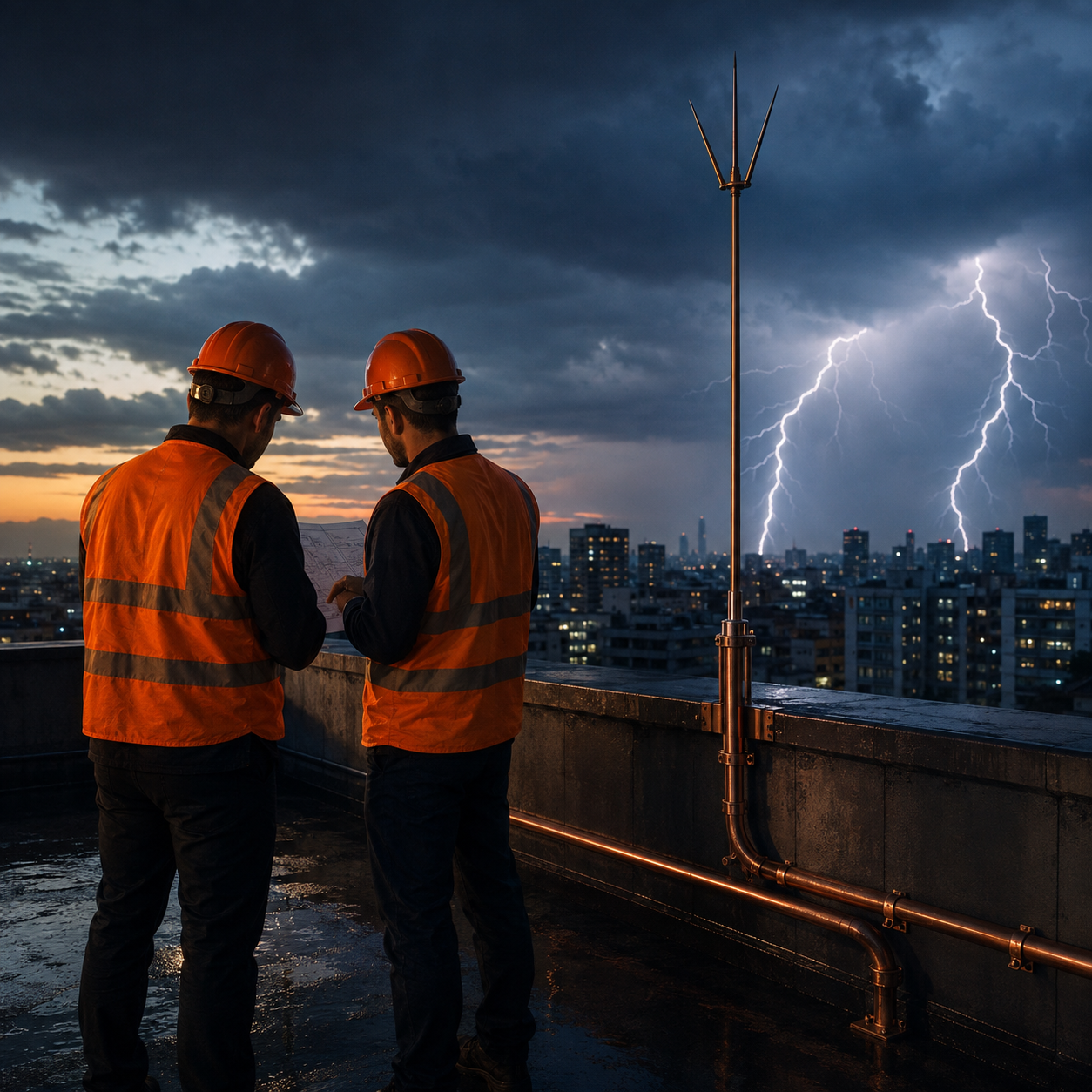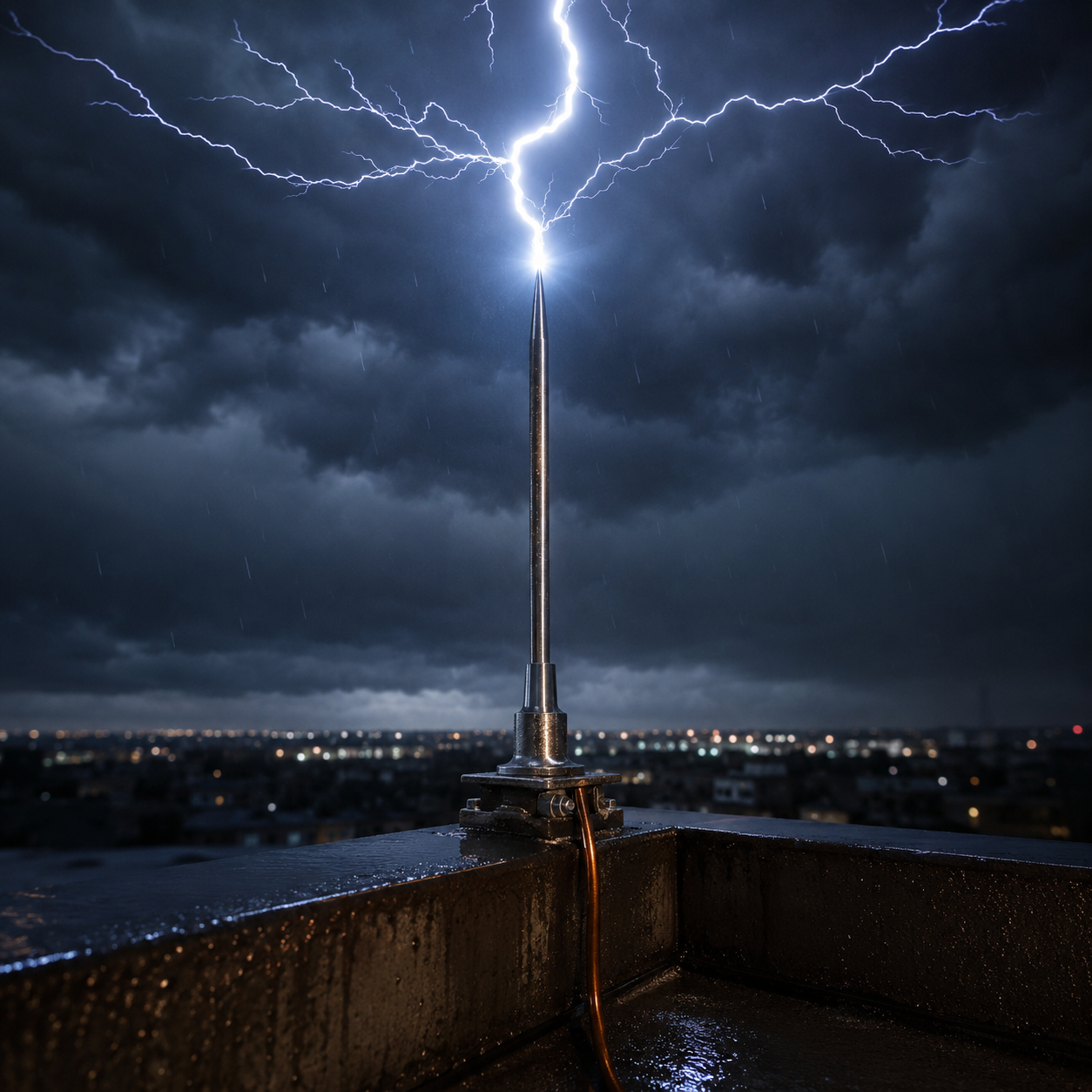
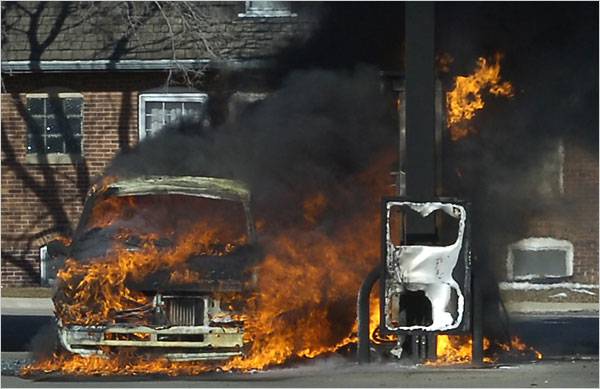
Starting from the tank filling automation system to the pump head, the facility can be seriously affected by impulses. This situation also causes corporate companies to lose reputation in the eyes of customers. According to IEC standards, the external lightning protection system must be designed by determining protection angles using the rolling sphere method with passive air terminals. Placing Ex-proof products in the facility by considering the separation distance is one of the most important conditions. Compared to lightning rod systems, protection using passive air terminals—where the system activates only if lightning actually strikes rather than attracting it—provides a more appropriate solution within the standards for flammable and explosive facilities. Especially in regions with frequent lightning such as Antalya and Muğla, additional measures such as spark gap surge arresters are required.

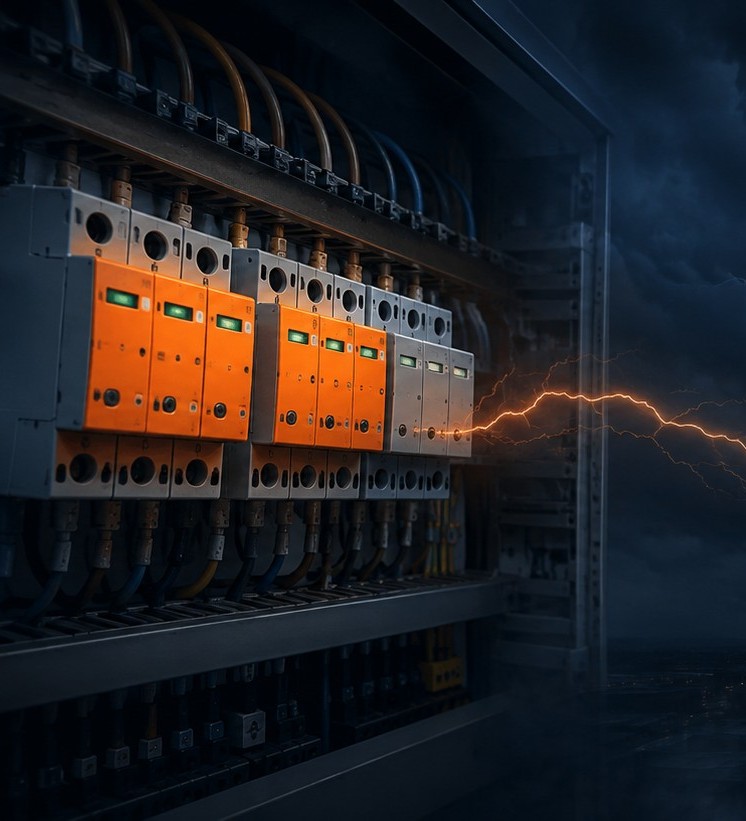
In facilities with an external lightning protection system, the use of an internal lightning protection LV surge arrester system against sudden overvoltage impulses is mandatory. Therefore, while protecting a fuel facility against lightning, the main panel, sub-panels, automation system, tank automation panels, props, market and office equipment must all be protected. Selecting Class B, Class C and Class D products with Raycap patented VG technology enables the design of a long-lasting internal lightning protection system. VG technology is formed by the independent operation of gas discharge tubes, MOVs and spark gap cells. Due to the close proximity of panels to each other, selecting coordinated products is of great importance in protecting fuel facilities against overvoltage and lightning. Compared to routing the external lightning protection down conductor directly attached to walls, using insulated conductors for down conductors—together with correct surge arrester system design—can easily prevent these problems.
As can be seen in the image below, after the canopy and office building are protected with air terminals, and 230V main protections are secured, all systems between 5–24 volts must be protected with sensitive energy protection devices. RS-485 and RS-232 lines are also protected with special protection modules. In addition, against impulses coming from telecom lines, the telecom exchange can be protected with special protection products.

As the Lightning Protection Center, you can submit your protection requests for fuel stations with our free site survey, measurement and system design services. With the Raycap Fuel and Filling Facilities special protection package, we protect your facility primarily against lightning as well as voltage drops and rises, harmonics, grid impulses and switching impulses.