Solutions for Lightning Protection of Skyscrapers with Helicopter Pads on the Roof
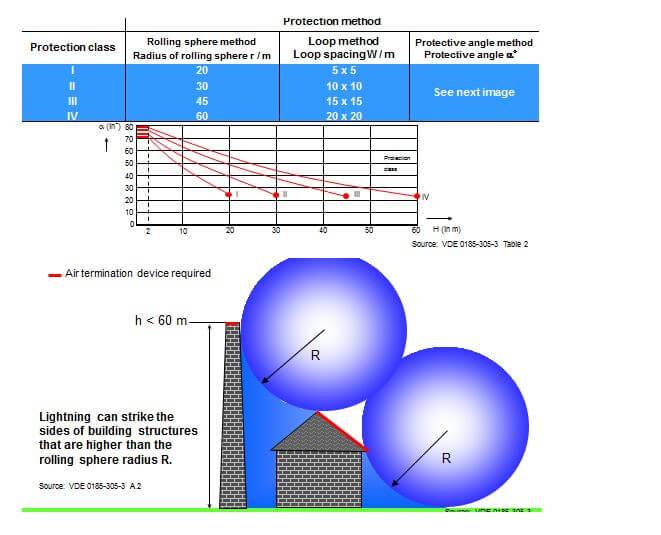
In the protection of skyscrapers, within the scope of the IEC 62305 standard, primarily a perfect equipotential must be ensured throughout the entire building. Metal areas such as exterior cladding, metal surfaces, and auxiliary facilities must be brought to equipotential. In skyscraper protection, we must primarily ensure the protection of side surfaces. According to our standard, in structures exceeding 60 meters, the mesh method should be applied to 20% of the side surfaces to ensure integration into the down conductor system. Thus, we will prevent strikes coming from the side.

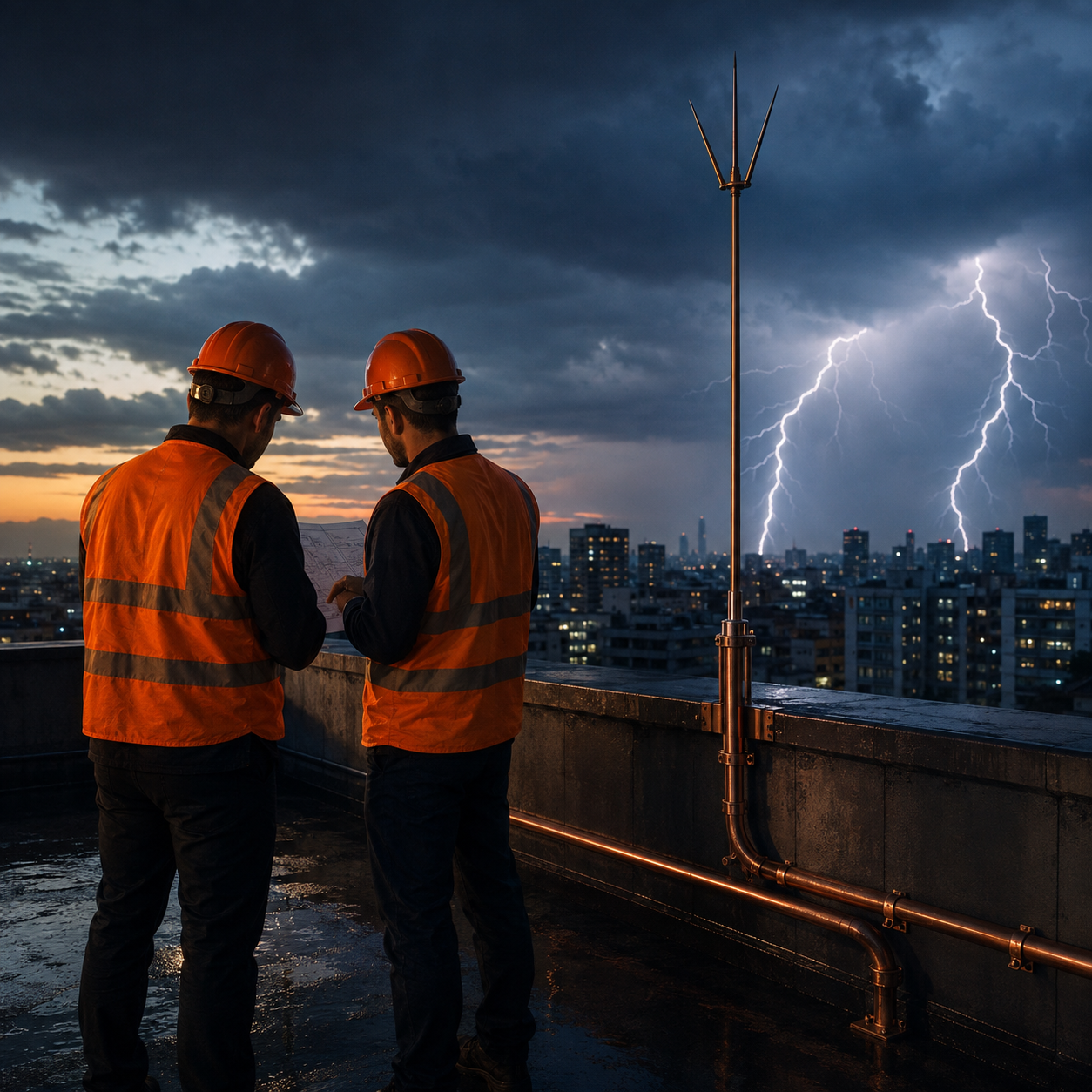
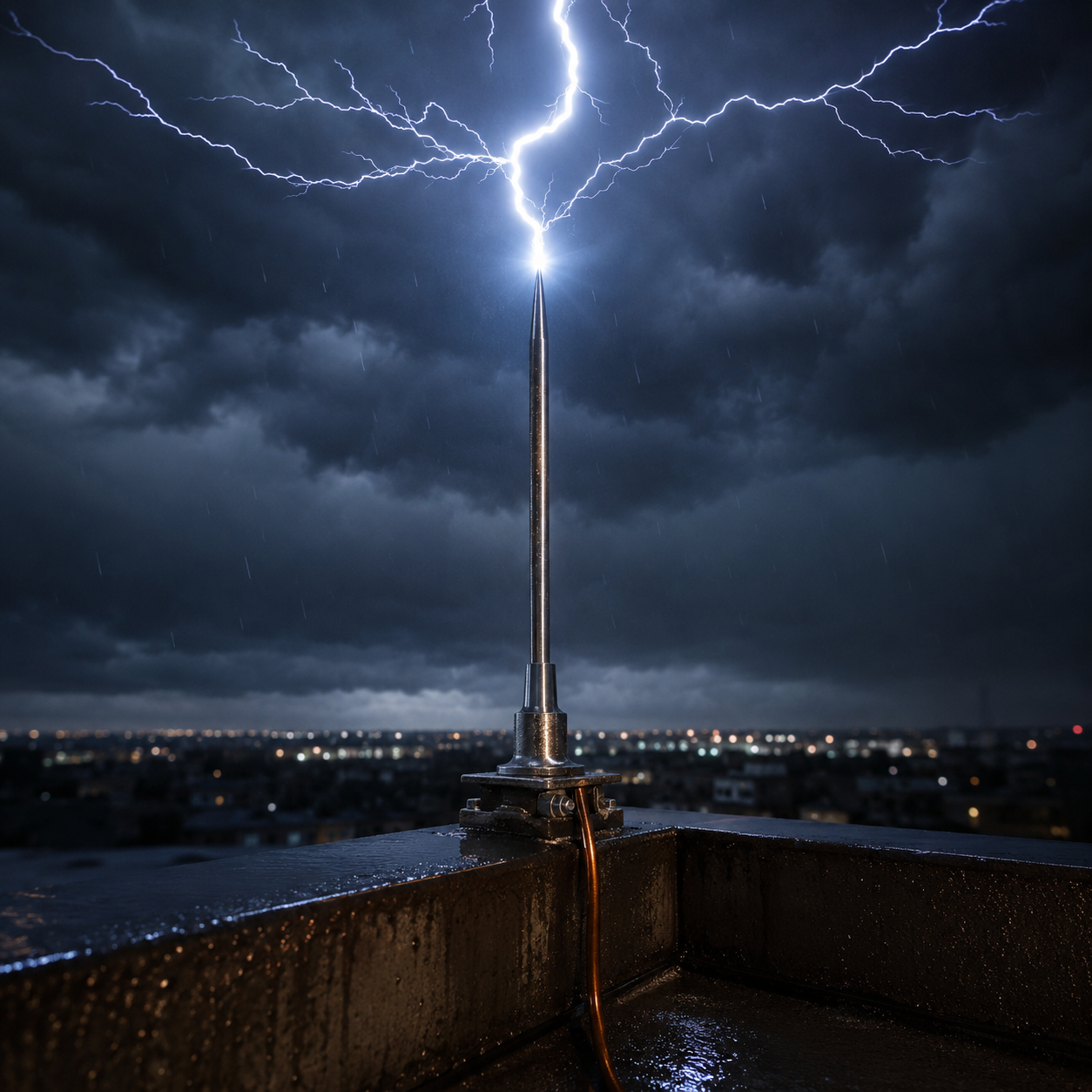
Besides the Mesh Method on side surfaces, we can also install air terminals on side surfaces to create a protection angle. When we come to the roof, we need to continue applying the mesh method on the entire floor. Conductors on the entire base surface should be meshed against possible impact. The bare conductors of the mesh system should circulate bare at the sharpest points of the structure. It can be under concrete at the point where the helicopter will land. In addition, we can use mushroom air terminal heads or long-angled air terminal heads in the Mesh method. Using long air terminal heads will be a correct method for us to create a protection zone at the lowest level of the skyscraper as well. However, there is naturally a concern that it will constitute an obstacle to Helicopter landing and takeoff. To prevent this, there are spring-loaded or tiltable air terminals made of very light AlMgSi alloy. Besides being very light, these air terminal systems can tilt like a tumbler toy at the slightest contact with them. Equipotential busbars should be left in many places on the roof and connected with the mesh method circulating on the roof. Also, an equipotential busbar connected to the ring should be positioned on a surface close to the helicopter landing point. While the helicopter is on the pad, it shows a natural cage feature and brings the impulse down from the body even if it receives it. At this point, for the discharge of this impulse against possible explosions, the helicopter must be grounded via the equipotential busbar and brought to equipotential.
After protecting the roof and side surfaces, let’s come to the most important point: the DOWN CONDUCTOR SYSTEM. Generally, applications involve making a direct connection to the foundation grounding coming from the foundation. It is a correct application in old technologies but involves risk. As a condition, there is a condition of 0.2 ohm resistance difference in grounding values on the foundation and the roof, which cannot be achieved in most buildings. Also, how can we be sure of the correct connection of the galvanized strips coming out to the roof by making many joints buried in concrete? When we give the entire impulse to the building, 100 kA circulating on the iron reinforcement does not seem very logical. Therefore, discharging the impulse to the ground via several branches with Isolated Lightning Down Conductors is the healthiest solution. The down conductor system should also be connected to the foundation grounding via the ring line with spark gap arresters.
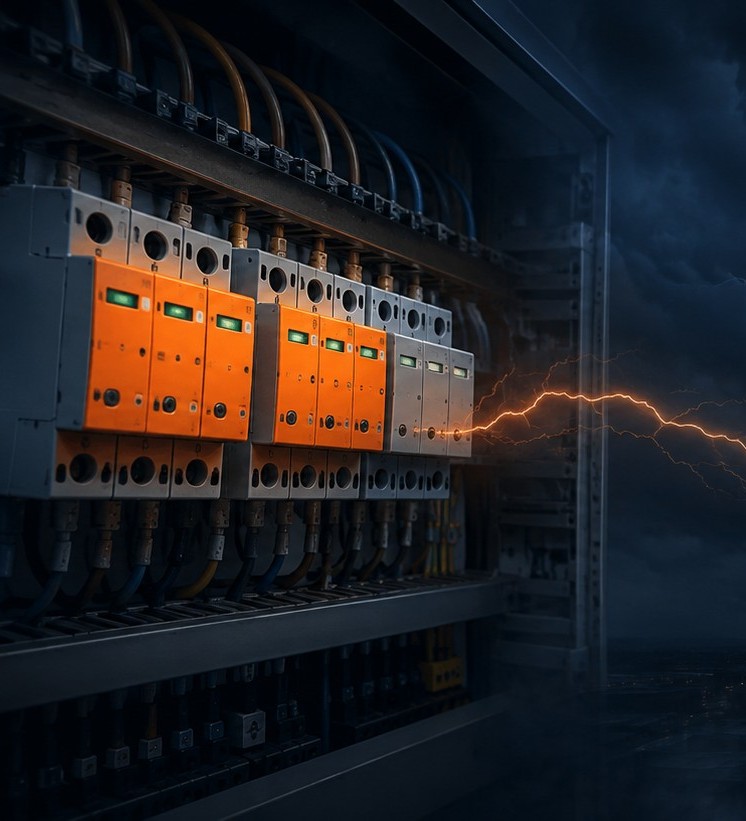
Let’s come to the most important step of the subject. A Low Voltage Surge Arrester System must definitely be used in rooftop electrical equipment, automation systems, HVAC systems, CCTV systems, apartment entrances, floor panels, building entrance panels, and Main Transformers. According to the principle of cascaded protection, Type 1, Type 2, Type 3 stages should be adapted to the Tower Electrical System by gradually reducing the Up level. Products with SAFETEC technology should be used in this regard. As Yılkomer, we recommend Iskra-Raycap technology. All products must be tested within the scope of IEC 61643-11 Standard.
As the lightning protection center, we provide project design, application, risk analysis, product supply, and reporting services regarding the lightning protection of high-rise buildings. You can contact us for details.