CAMERA SYSTEMS PROTECT US FROM ALL EVIL, BUT CAN YOU PROTECT THEM?
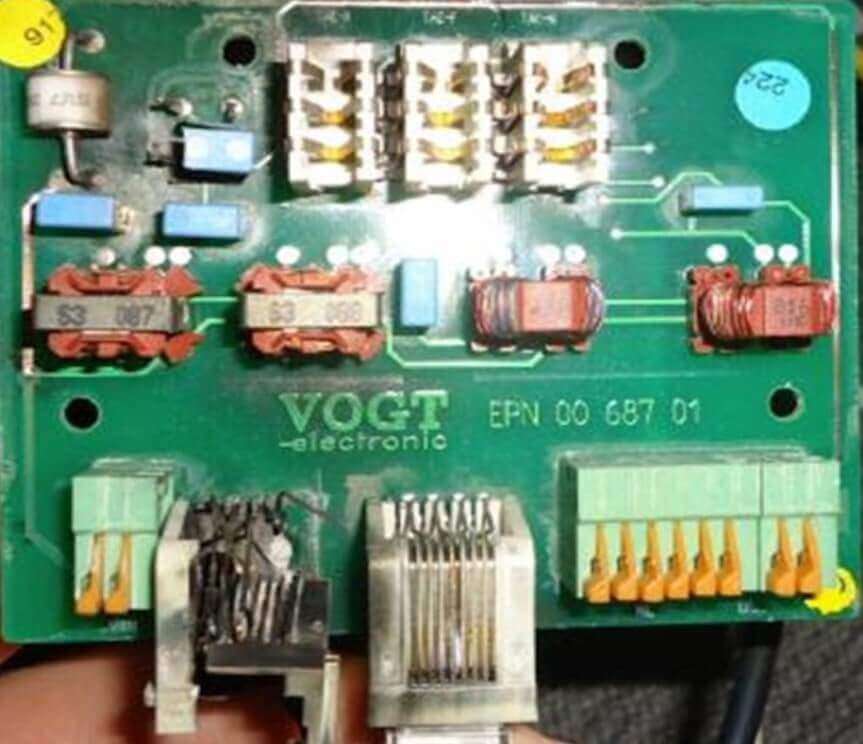
The burning of cameras and switches as a result of lightning and sudden surges has become a chronic problem in our country. Damage to cameras continues in many facilities from the public sector to the private sector. While this damage causes serious economic losses, the most important issue is that it creates a Security Vulnerability. The damage of cameras after every lightning strike is not an unsolvable issue. In this article, we will briefly summarize the steps you need to take to protect cameras from lightning.
1) How Do Cameras Get Damaged by Lightning Strikes?
A lightning strike can reach all devices within a 2 km radius from the point it strikes due to differences in soil resistivity and equipotential differences within the facility. The impulse can progress directly through power, coaxial, data, and Ethernet lines, and can also damage systems due to magnetic effects. Cameras, switches, and UPS systems are all affected by this impact. Apart from lightning, grid-originated sudden surges, harmonics, and switching impulses also cause damage. Cameras, especially IP cameras, are very quickly affected by magnetic effects. In addition to these indirect effects of lightning, cameras mounted directly on poles in the field may burn as a result of lightning striking the pole directly. Additionally, camera systems mounted on building surfaces can be induced when a lightning impulse hits uninsulated external lightning protection systems. As can be understood from these definitions, the subject is a whole. Lack of equipotential bonding, incorrect installation of external lightning protection systems, unprotected poles, and the absence of LV surge arresters cause camera and switch systems to burn as a result of lightning.
2) HOW DO WE PROTECT CAMERAS WITH LV SURGE ARRESTER SYSTEMS?
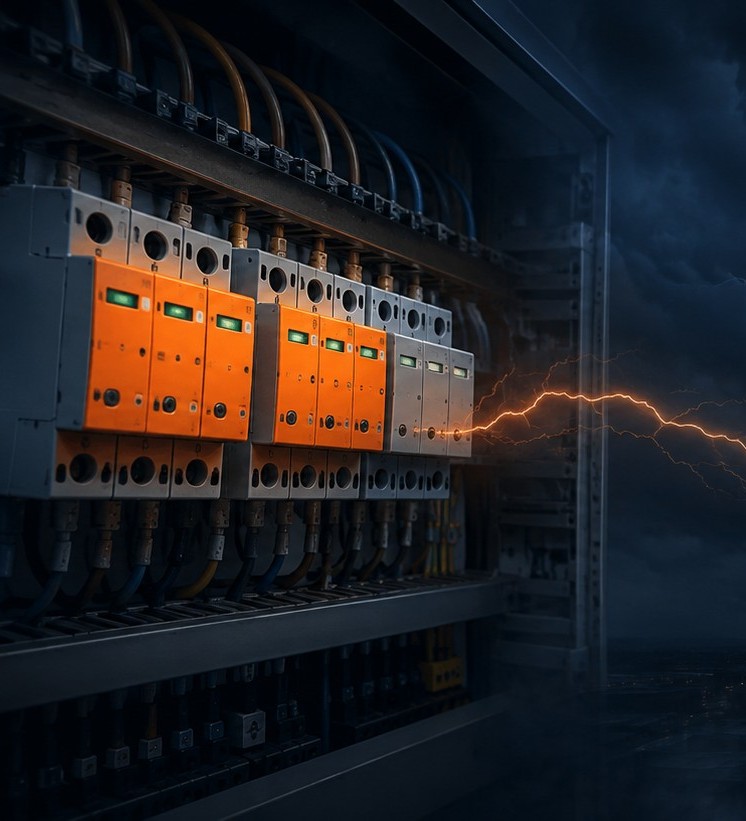
To prevent camera and switch systems from being damaged by lightning and sudden overvoltage impulses, Low Voltage Surge Arrester systems should be used in stages. As Yılkomer, we use Raycap/Iskra Zascite branded products, for which we carry national responsibility, to protect our systems against lightning and grid surges. Over the last 3 years across Türkiye, more than 40,000 camera systems have been protected under Yılkomer assurance, progressing with a 100% protection statistic. We would like to share this experience with you, our customers, and if we explain the lightning protection products we frequently use in camera systems item by item;
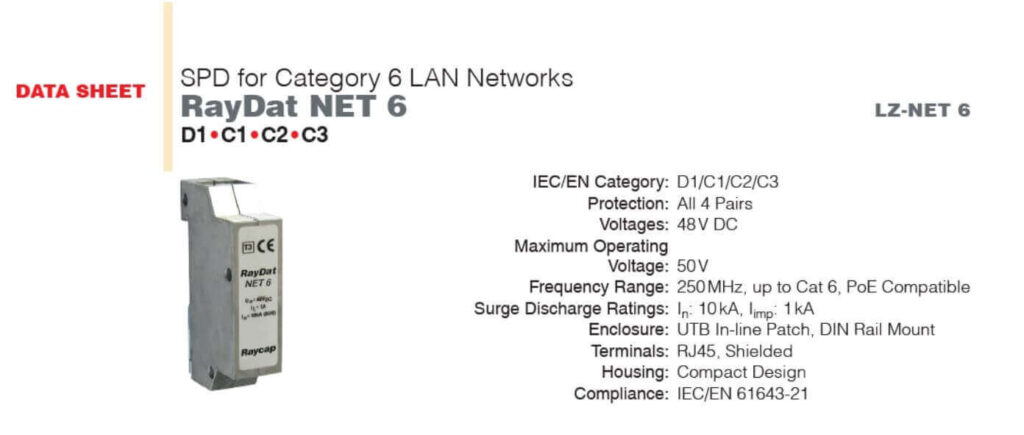
A) IN POE, ETHERNET, RJ45 LINES – RAYDAT NET 6 RAYCAP HYBRID TECHNOLOGY LV SURGE ARRESTER SYSTEM
Raydat Net6, which should be used on Ethernet lines both at the switch and camera sides, is not only diode-based but also features Gas Discharge Tube technology. This hybrid technology product is the most durable and long-lasting in its category. With Raydat Net6 to be used at Ethernet line inputs, both switch and camera inputs will be protected.
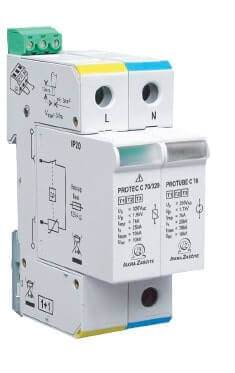
B) AT 220 POWER INPUTS – RAYCAP TYPE 1+2+3 PROTEC ASL 1P+N SERIES
In switch 220V supply lines, we must fight against both lightning and grid-originated surges. Only providing Type 2 protection is not sufficient; protection against both lightning and grid surges is required. At this point, the use of Safetec technology products with MOV+GDT features is extremely important. Our Type 1+2+3 product provides protection against both lightning and grid surges and additionally offers Type 3 protection against sensitive impulses such as 2.5 kA. With this sensitivity-focused product, you can fully protect the 220V lines. The relevant product is integrated into the system in parallel.
C) AT 12, 24, 48 V DC POWER SUPPLY OUTPUTS – RAYCAP DMDR 20 SERIES MUST BE USED
After 220V protection, DC protection should be applied at 12, 24, 48V outputs, especially using the DMDR 20 Series. The DMDR 20 series, which is also integrated into the system in parallel, provides long-lasting protection with its hybrid technology.
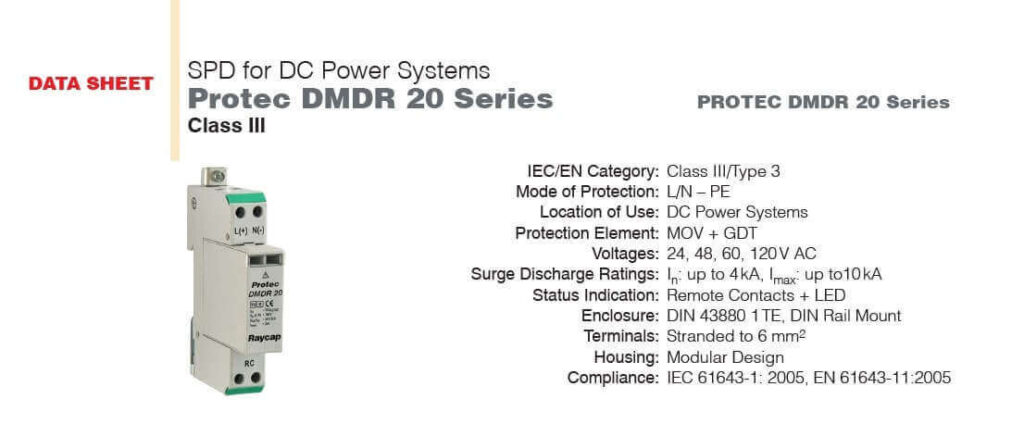
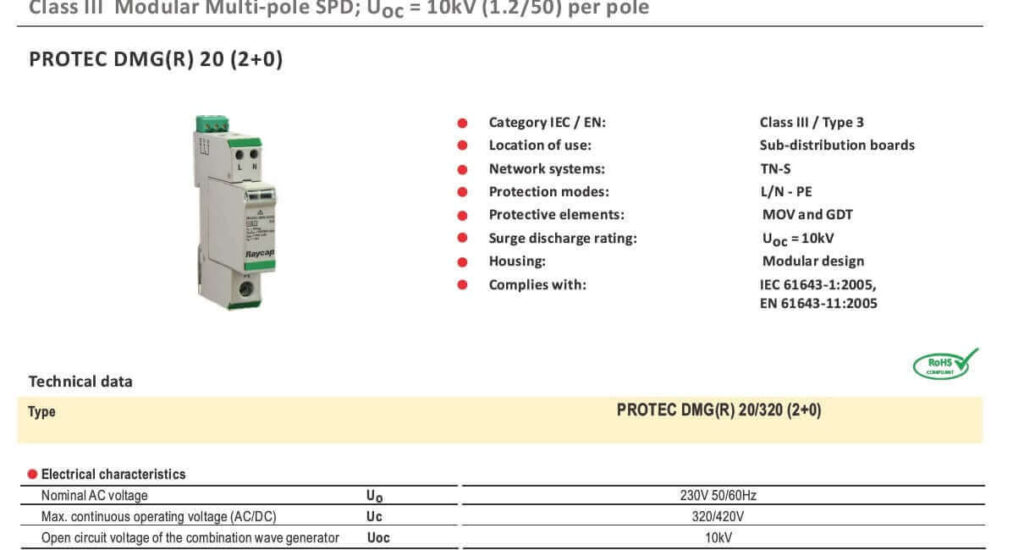
D) If our system structure is different and the 220V power line reaches the camera, we must use our DMGR 320 Series, which provides sensitive protection in the Type 3 category at the camera point. This product is also integrated into the system in parallel.
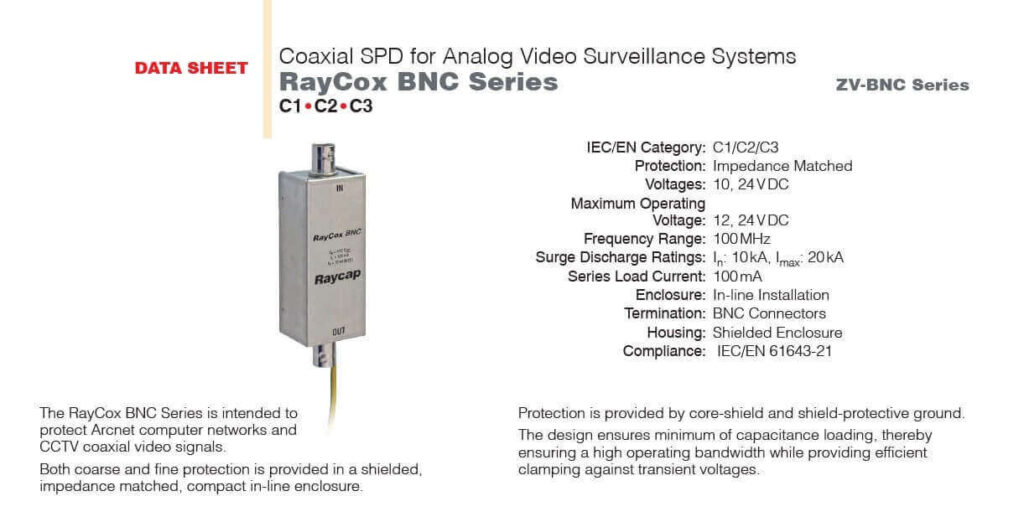
E) If our system is not IP-based and image transmission is provided via coaxial line, bidirectional protection must be provided with RAYCOX BNC protection.
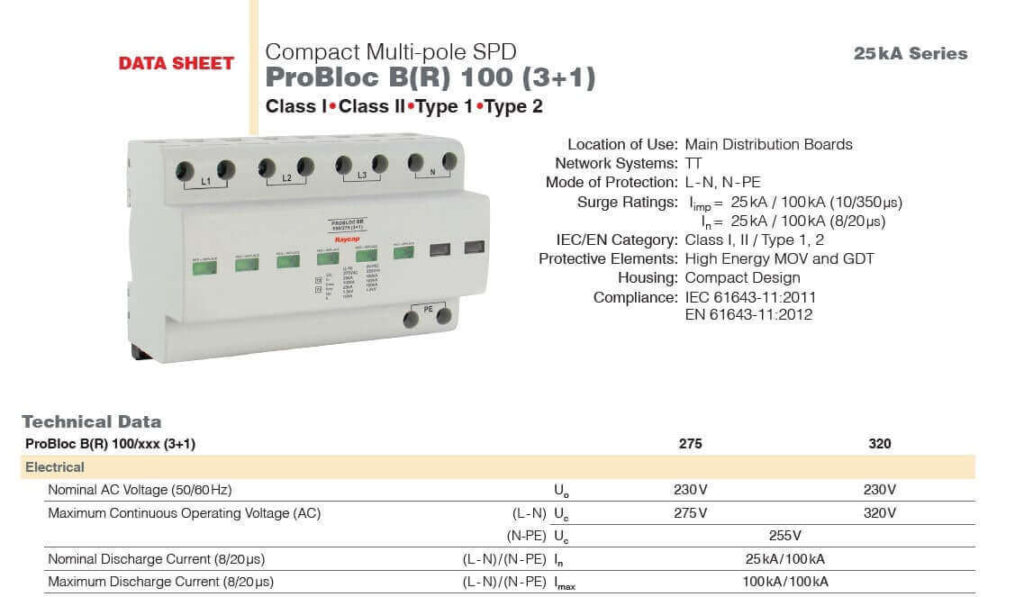
F) It is also important to provide main input protection that protects the entire system at the main power output panels of the facility.
For this point, we recommend our PROBLOC TYPE 1+2 100KA product.
3) What Is the Role of Grounding in the Camera Protection System?
Installation is as important as product selection. Ground connections must be made in LV Surge Arrester systems. The biggest mistake in camera systems is connecting the enclosure ground to devices inside the cabinet and having the surge arrester use this ground. When a possible impulse occurs, the impulse will be transferred again from the ground to the enclosure, causing devices to burn. Protective enclosure grounding can be applied, but surge arrester grounding and device grounding must be made via a separate busbar.
4) The Importance of the Equipotential Concept in Protecting Cameras from Lightning?
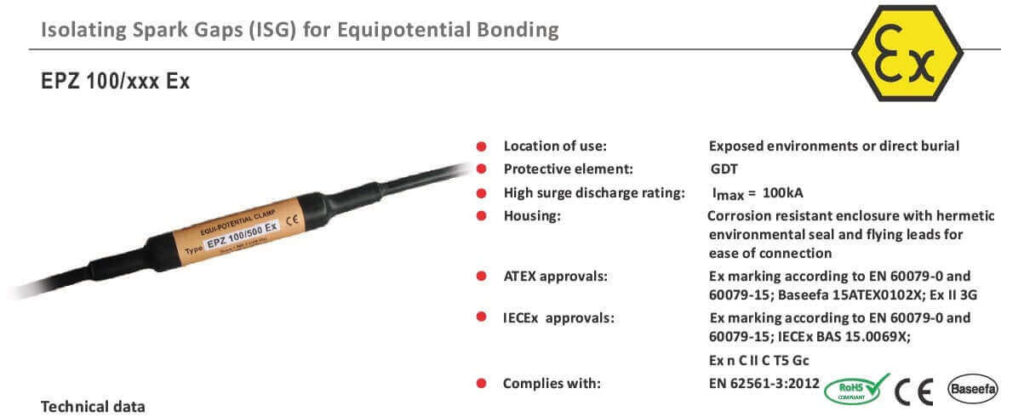
All camera systems must be integrated into the equipotential system. Especially outdoor pole-mounted cameras must be bonded equipotentially. If not, it is natural for the impulse to damage cameras more severely. In pole-type applications, all metal components such as surrounding fences must be equipotential with the camera grounding. At this point, a precaution against impulses coming from the ground can also be provided by using spark gap surge arresters.
5) The Relationship Between External Lightning Protection Systems and Camera Lightning Protection
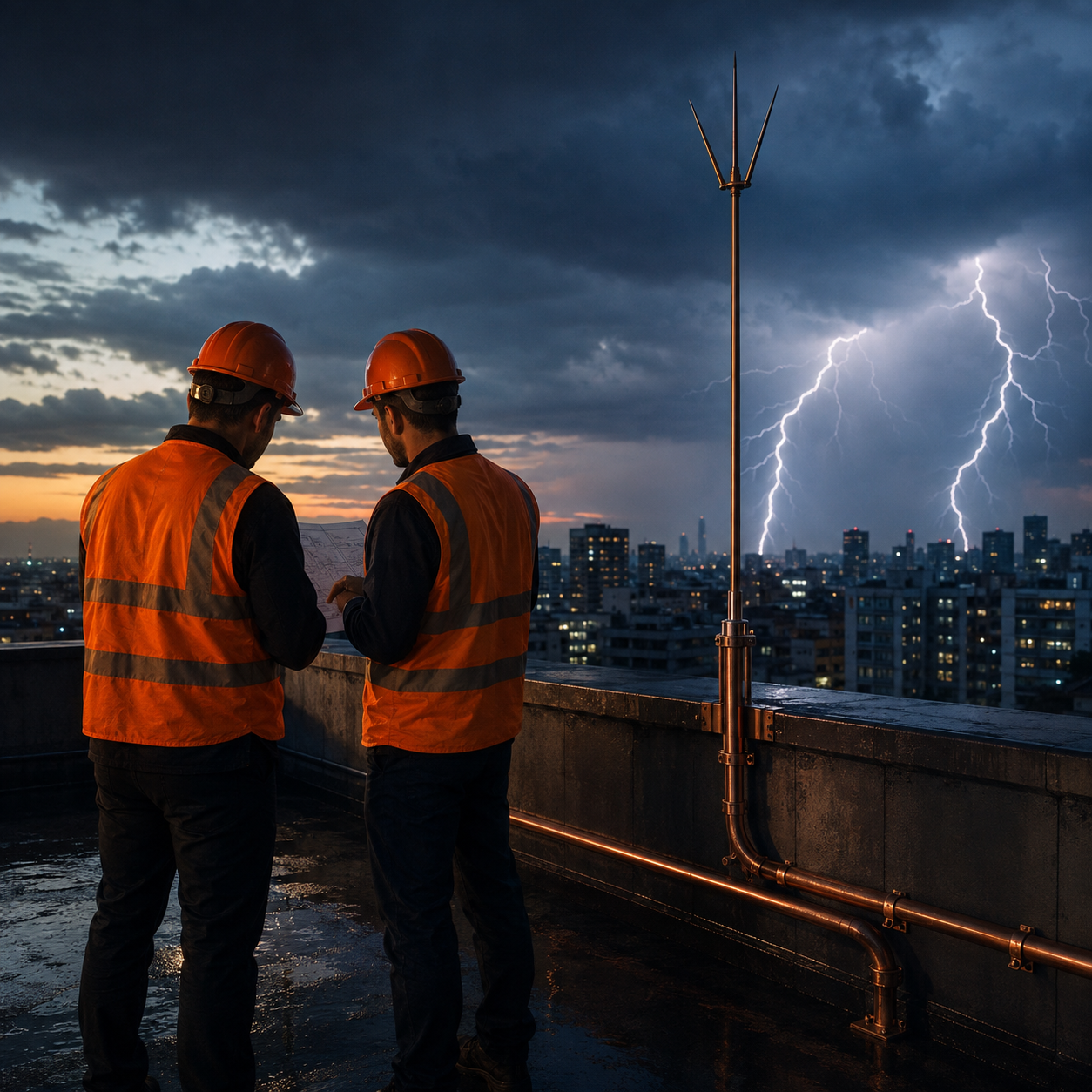
If there is an active lightning rod system in a facility, the potential for lightning strikes is high. If possible, passive air terminal systems should be preferred. The most accurate protection can be achieved with passive systems that do not attract lightning but activate when lightning is about to strike. In building applications, cameras mounted on conductive surfaces are instantly damaged when lightning strikes the lightning rod. This is due to the lack of separation distance and the use of bare down-conductor systems. At this point, our recommendation is to use insulated conductors for down-conductors. Additionally, external lightning protection grounding must be equipotential with the entire facility grounding. In standalone pole applications, the most important point to consider is the use of passive air terminals for protection on the pole. By descending with insulation at these air terminals, induction on the pole can be prevented.
Conclusion
In conclusion, it is a fact that 155,000 lightning strikes occur in our country within 2 days during summer months. This means that lightning will be an indispensable natural event in our lives. And as engineers responsible for protecting our systems, you can ensure the most correct protection of your cameras. The burning of your cameras and switches is not fate. You can benefit from product selection, application support, and our free site survey services. Do not forget, Yılkomer ‘Protects Your Values!’.