You May Be Interested In: Grounding Measurement Periods
- Prevents unplanned downtime.
- Prevents high energy losses. (Increases energy efficiency)
- Reduces personnel injuries. (Ensures occupational safety)
- Prevents quality deterioration in production caused by disruptions, failures, or collapses
So, what should be checked during an internal installation inspection?
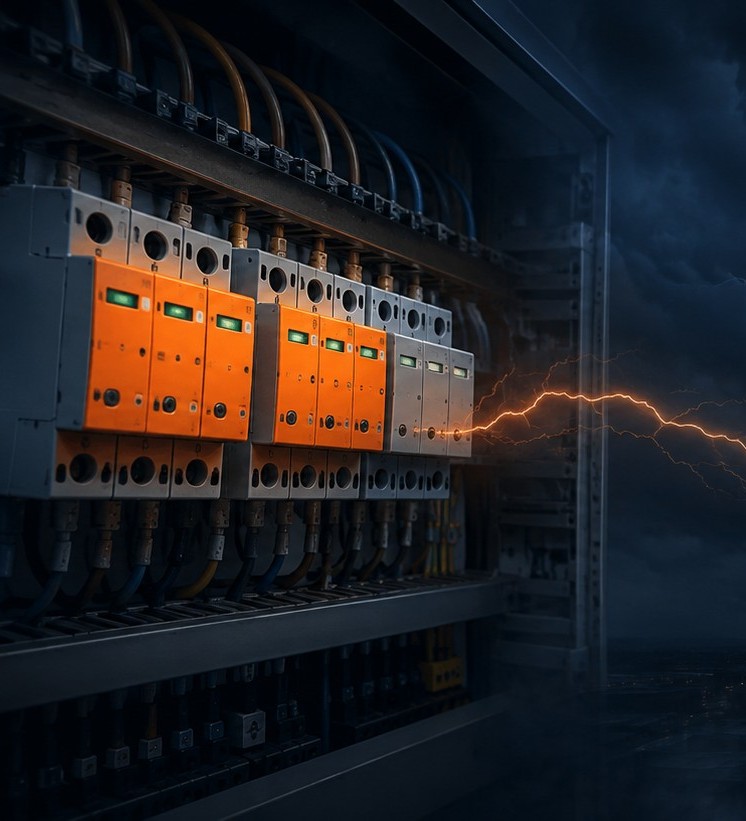
- Main Panels and Sub Panels
- External Lightning Protection and Lightning Protection Equipment
- Machines, Generators, and Motors
- Sockets and Boxes
- Energy Cables
- Grounding measurements and inspections
- Lighting systems
- Equipotential inspection
- Fuse, switch, and residual current device inspection
- Harmonic inspection
- Compliance of electrical hazard and warning signs
- Compliance of the electrical labeling system
Internal Installation Inspection and Thermal Measurement
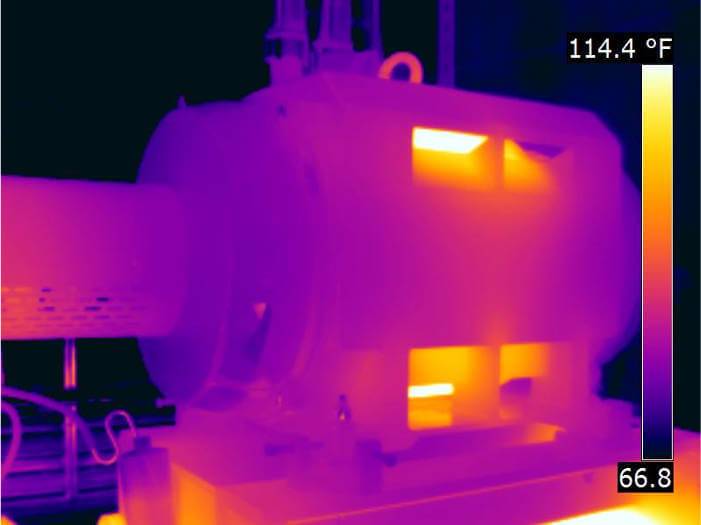
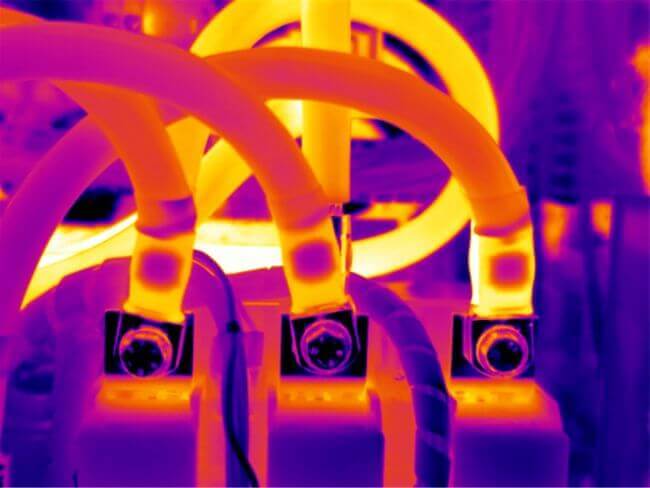
Thermal imaging in electrical and mechanical installations provides important clues about system health. When a fault occurs in panels, cables, or electric motors, the relevant section overheats. When measurements are taken with a thermal camera, faulty areas can be easily identified.

Thanks to thermal measurement, electrical connection faults and conductor defects can be easily detected. On the other hand, electrical motors heat up due to faults occurring within them. Electrical impulses can cause stator faults for many reasons, including dielectric effects, looseness, transient voltage conditions, and corona. Dielectric materials used between phase-ground, winding-winding, and phase-phase may cause insulation faults under voltage stress. Therefore, high-class insulation materials should be selected. Transient voltage changes show their effects over many years. These transient effects include lightning impulses, voltage fluctuations caused by drives, rapid busbar changes, circuit breaker switching operations, and capacitor switching. These transient effects gradually deteriorate insulation, eventually causing winding-to-winding, phase-to-ground, and winding-to-ground faults.
Internal Installation Inspection Report
According to regulations, electrical internal installation inspections must be performed once a year. You can download the electrical internal installation inspection (examination) report from the link below.
Internal Installation Inspection Report
You can immediately request measurement and inspection by filling out the form below.