ProTec T2F
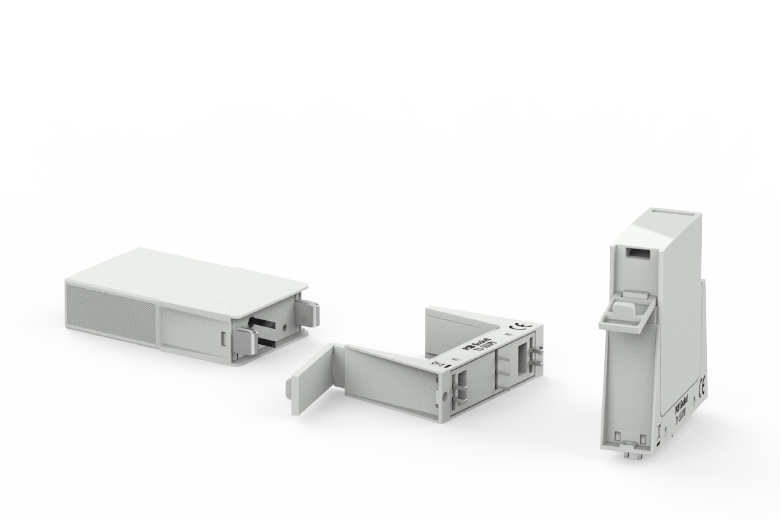
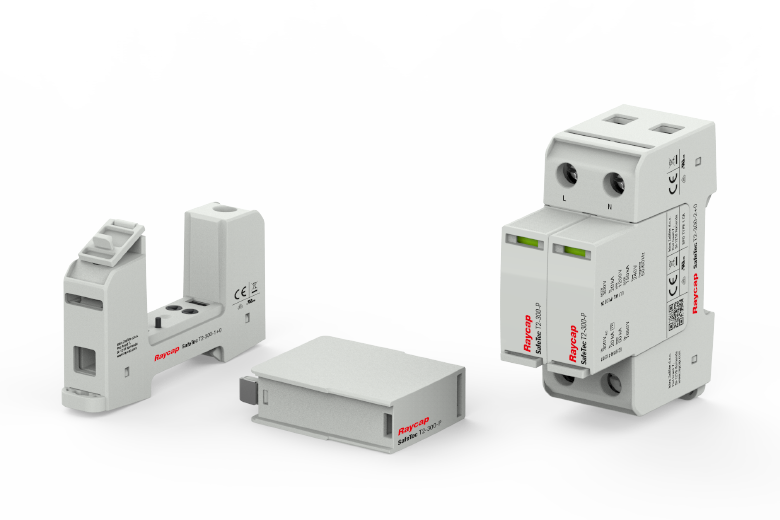
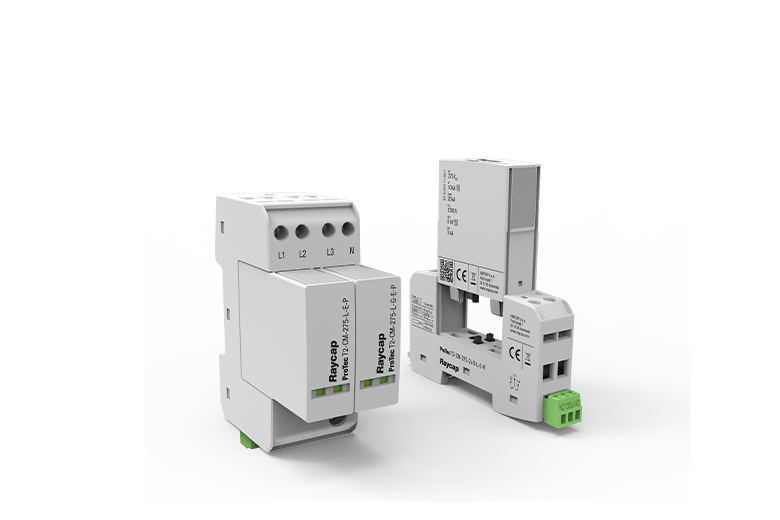
Raycap ProTec T2F is a "2-in-1" Surge Protection Device (SPD) that combines a Type 2 surge arrester with a backup fuse in a single unit. Designed for demanding industrial applications, it saves space in the panel and simplifies installation and maintenance.
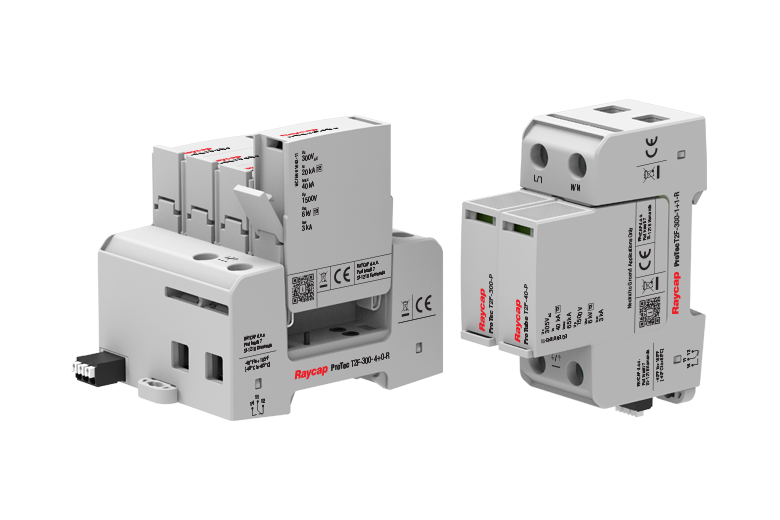
Raycap ProTec T2F is a pluggable surge protection device that combines a Type 2 surge arrester with a backup fuse in a single unit. It is designed for demanding industrial applications.
In conventional setups, a separate backup fuse is placed before the surge arrester, which takes up additional space in the panel and requires careful selection of the fuse rating. An incorrectly chosen fuse can unnecessarily trip during a surge, disabling protection, or fail to provide disconnection in case of a fault. The ProTec T2F eliminates this decision by integrating the fuse into the device—coordination is resolved at the factory.
The result is space savings in the panel, faster installation, easier maintenance, and reduced overall cost. The device features a protection level (Up) of 1,500 V, a maximum discharge capacity (Imax, 8/20 µs) of 40 kA, and a nominal discharge current (In, 8/20 µs) of 20 kA. It complies with IEC Class II according to IEC 61643-11.
- Type 2 surge arrester + integrated backup fuse (2-in-1)
- Protection level: Up = 1,500 V
- Maximum discharge capacity: Imax = 40 kA (8/20 µs)
- Nominal discharge current: In = 20 kA (8/20 µs)
- IEC Class II compliance according to IEC 61643-11
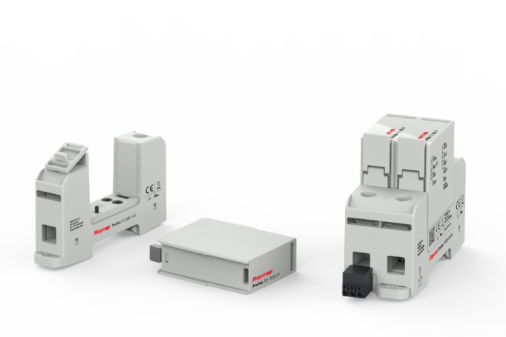
- Pluggable design — easy maintenance and module replacement
- Space savings in the panel
- Ease of installation and maintenance, reduced total cost
- DIN rail mounting
- Module configurations: 1+0, 2+0, 3+0, 4+0
ProTec T2F stands out in industrial installations where fuse coordination is to be avoided and panel space is valuable:
- Industrial control panels — Structure designed for demanding applications
- Machine and automation panels — Compact enclosures without fuse space
- Sub-distribution panels — Second stage of cascaded protection
- Mass-produced panel lines — Reduced assembly time and component count
- Renovation projects — Protection installed without adding fuses to existing panels
- Installations with difficult maintenance access — Quick replacement thanks to pluggable module
- Panel manufacturers — Reduced component count in standard panel designs