You may be interested in: Grounding Measurement
Grounding Resistance Values
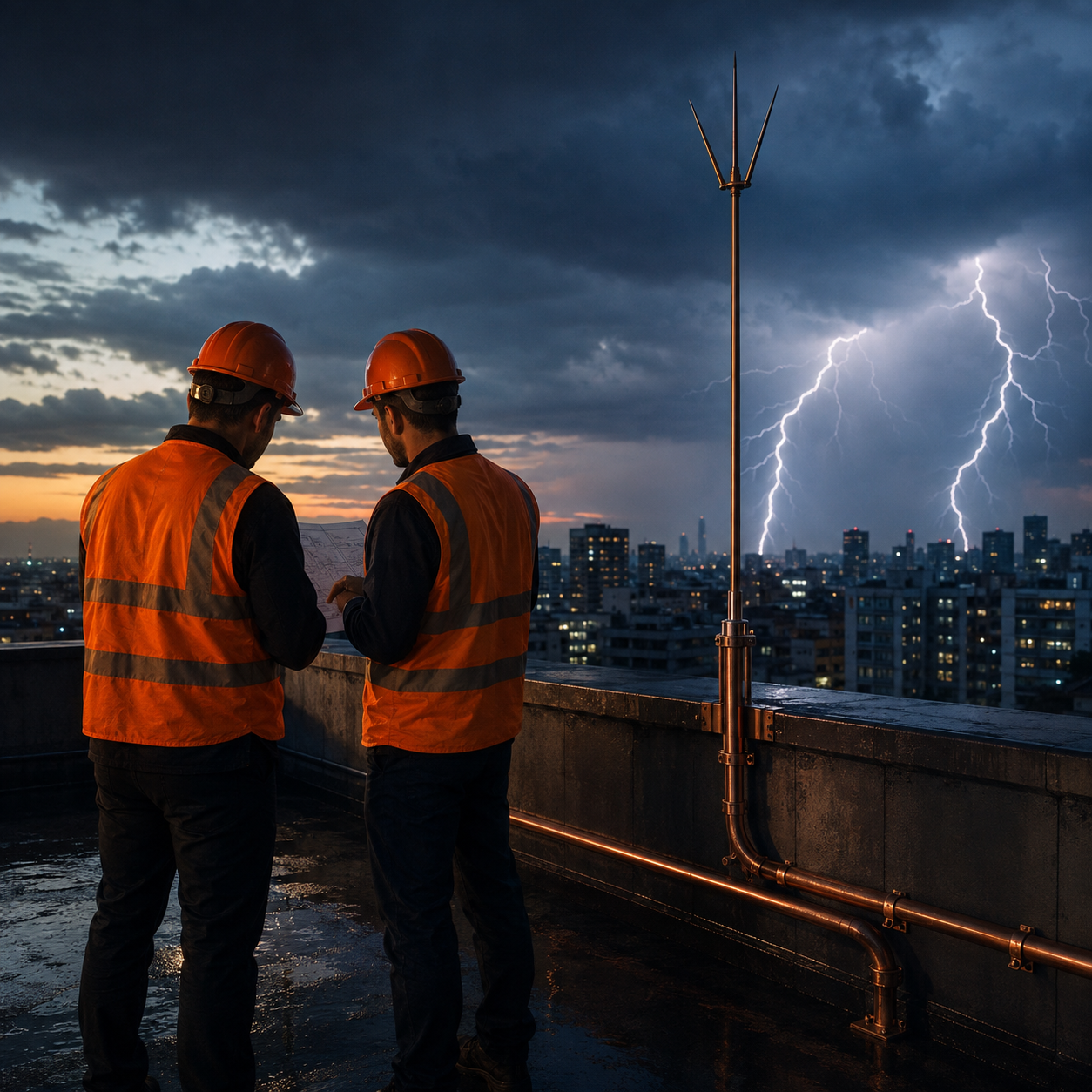
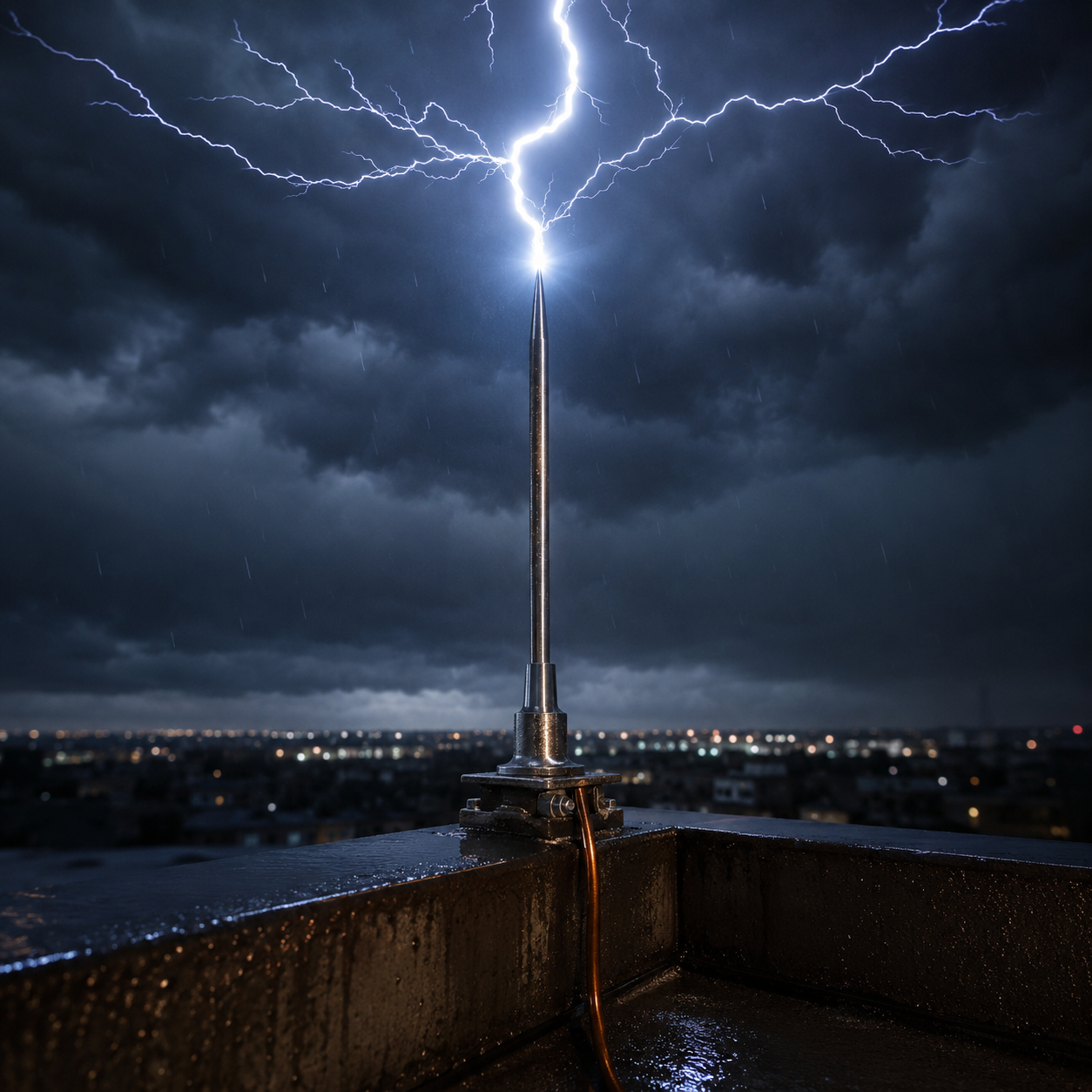
The basic principle of external lightning protection systems is to directly capture the lightning strike and discharge it into the ground. For external lightning protection systems designed according to IEC 62305 standard using passive air terminals, rolling sphere, and protection angle methods, the ground line and resistance value are very important. Firstly, the specific ground resistance must be measured to ensure the grounding resistance value, and based on this measurement, the number, quantity, and cross-section of grounding electrodes are determined to implement lightning protection grounding. The resistance value below 10 ohms is considered ideal in relevant standards, but considering resistance increase over time, it should be aimed to reduce it below 5 ohms. To prevent corrosion, the use of corrosion bands, bimetal products, and anti-corrosive products is important.
External lightning protection system grounding must also be brought to equipotential. Equipotential bonding achieved through local equipotential bars will prevent impulse transfer caused by resistance differences. At this point, the use of spark gap suppressors parafudrs is important.
In conclusion, although a resistance value below 10 ohms is acceptable, the lowest possible resistance value should be targeted for lightning protection grounding.

Tips to Reduce Grounding Resistance
- Eliminate corrosion at connection points. Also, try to prevent deformations at connection points.
- Use resistance-reducing chemicals
- Use larger grounding electrodes