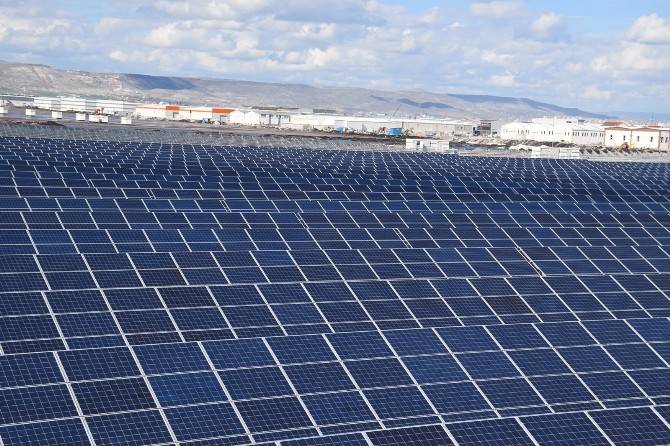
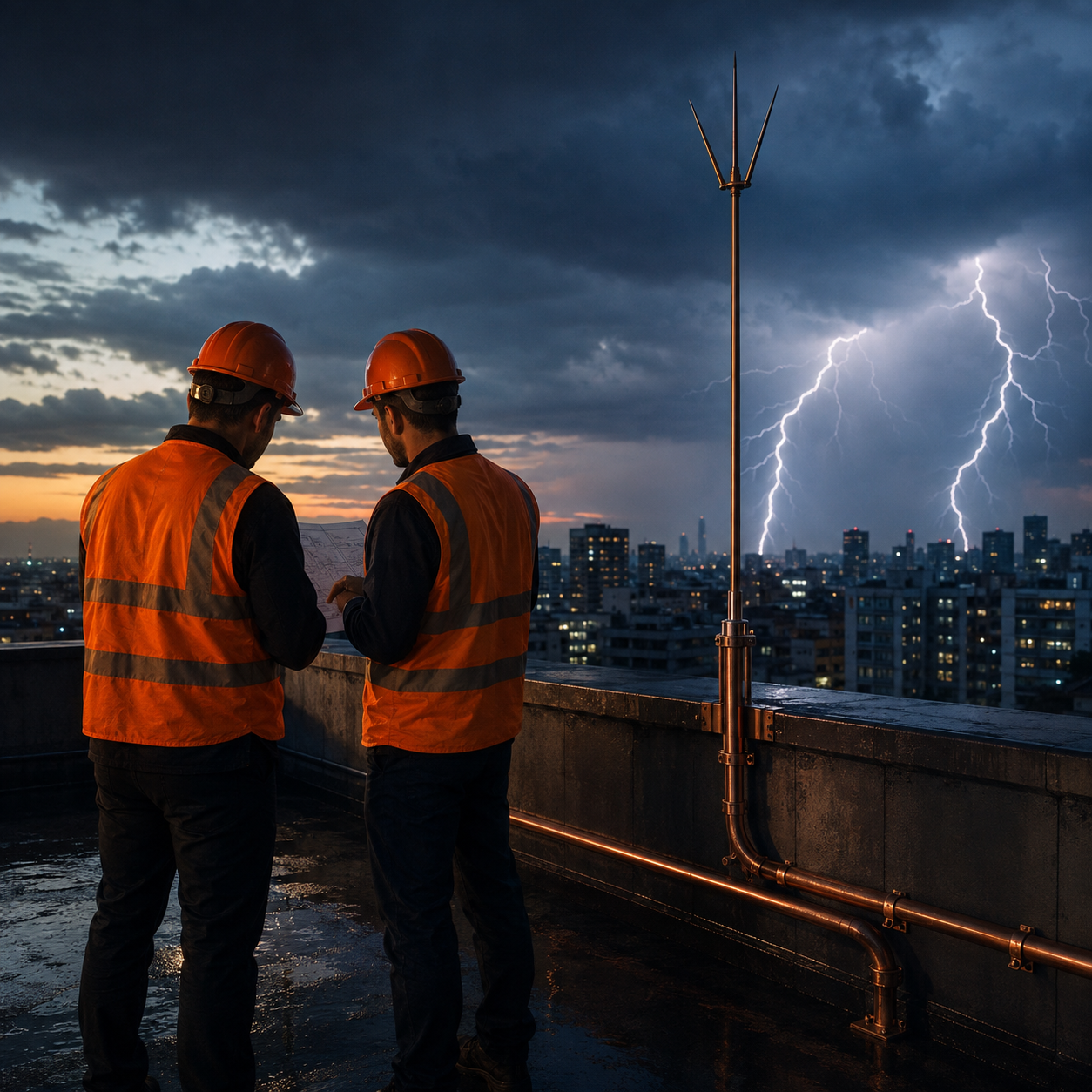
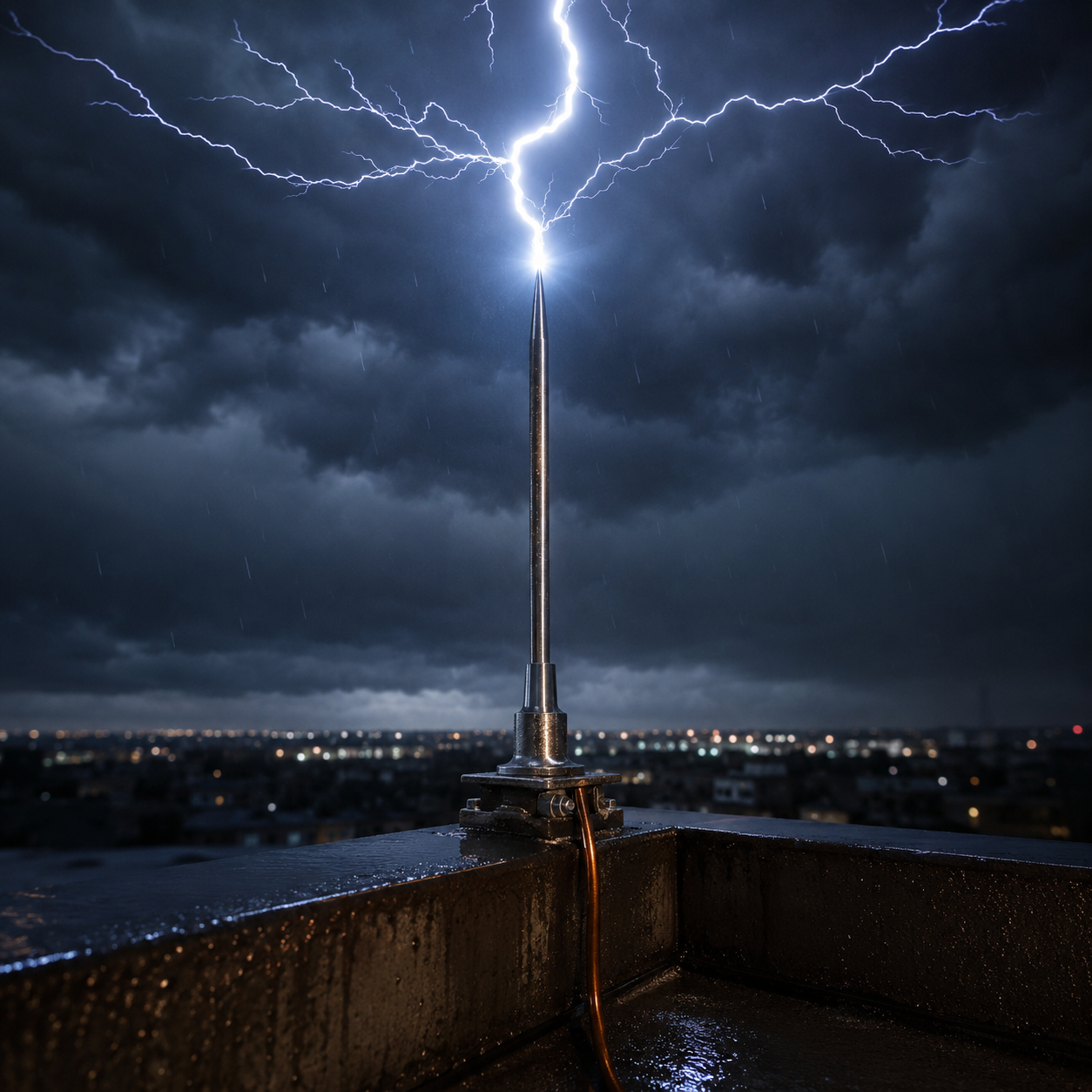
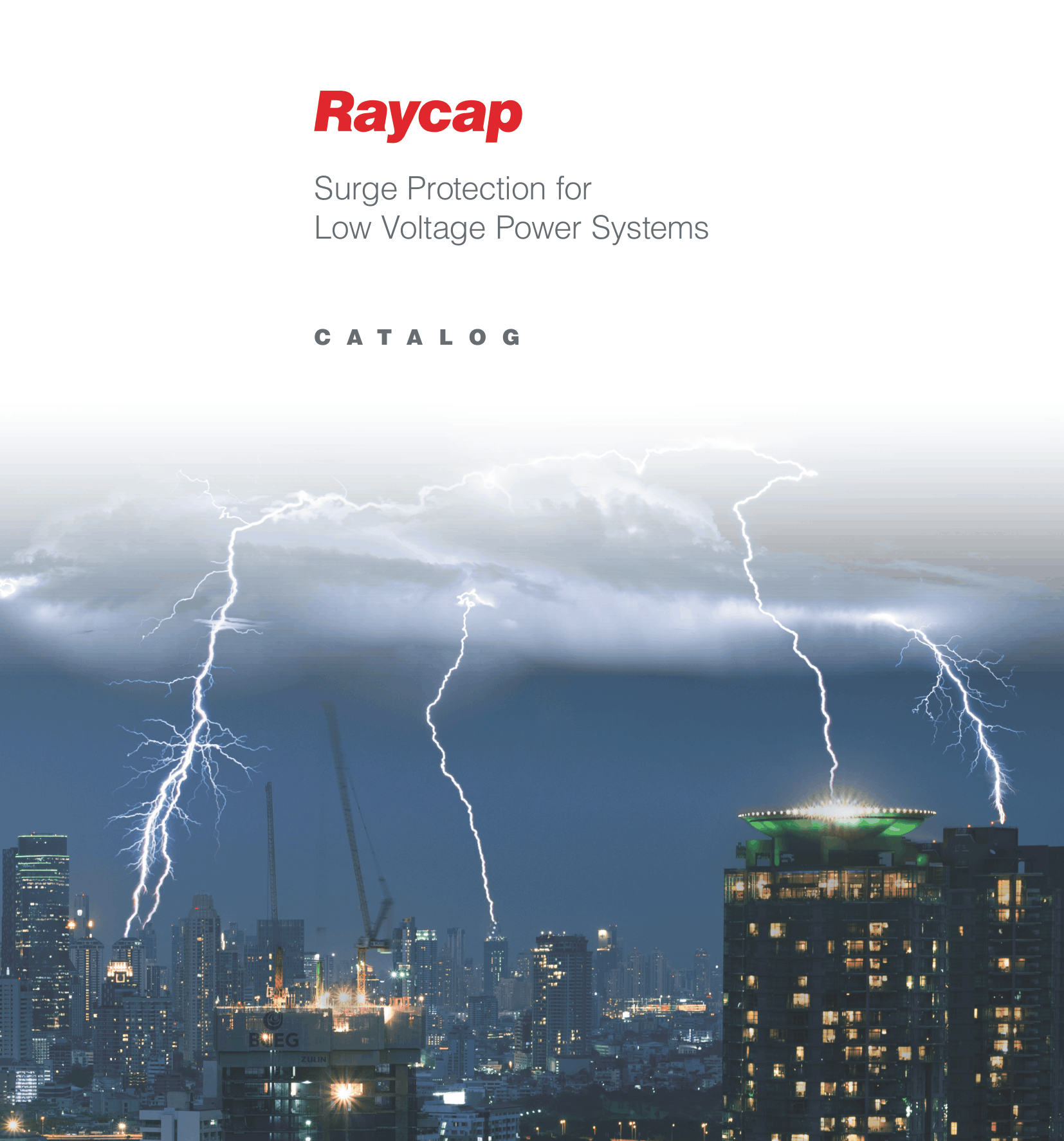
One of the biggest risks for solar power plants is not being properly and completely protected against lightning and overvoltage. Solar power plants are installed in areas with a high risk of lightning strikes, and a potential strike can disable the heart of the PV system, the inverters. Sudden overvoltage in the grid, system, or transmission lines can also cause inverter failures. Often, we see solar power plants using external lightning rods. However, lightning rod systems provide only physical protection. Moreover, a lightning strike attracted by the rod can later target the solar power plant, damaging the electrical systems.
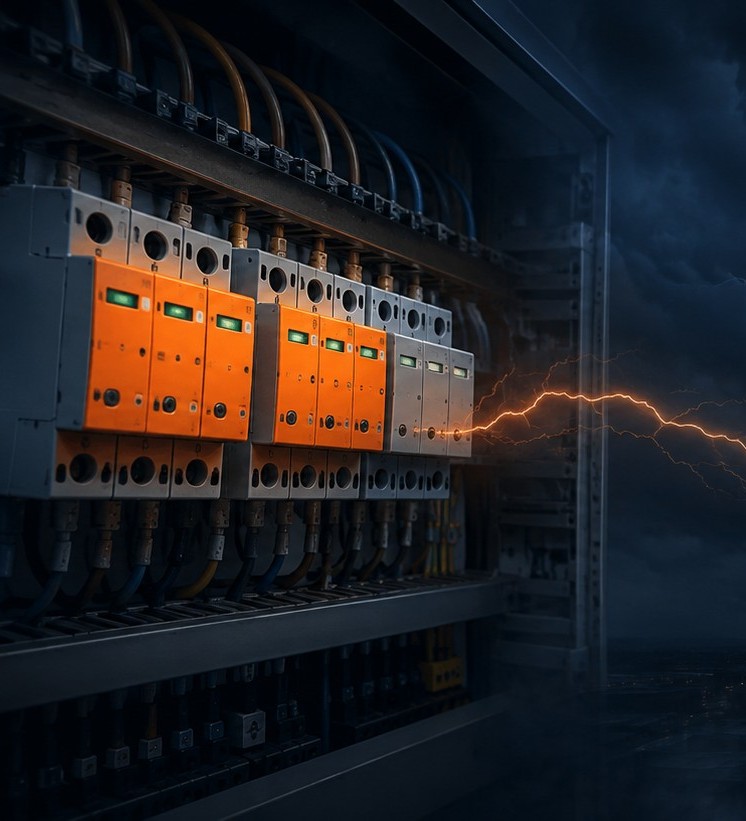
To protect against the electrical effects of lightning, DC and AC surge arresters must be used in solar power plants. Many application companies that use lightning rods do not use surge arresters, pulling the lightning into the facility and leaving inverters and other systems unprotected. For surge arrester selection, B+C class (Type 2) products must be used to provide protection against lightning and grid surges. The AC-DC and data lines of the plant, protected with passive capture rods, should also be protected using surge arrester systems. According to TS EN 61643-11 standards, surge arresters should be tested at 8/20 µs and 10/350 µs waveforms.
Tell us about your project and we will get back to you shortly.
View Your Result
Your calculation is ready. Leave your contact details and your risk assessment will appear right away.
Get a Quote for Your Selection
Your answers from the tool have been added to your request automatically. Leave your contact details and we will confirm the recommendation and prepare your quote.