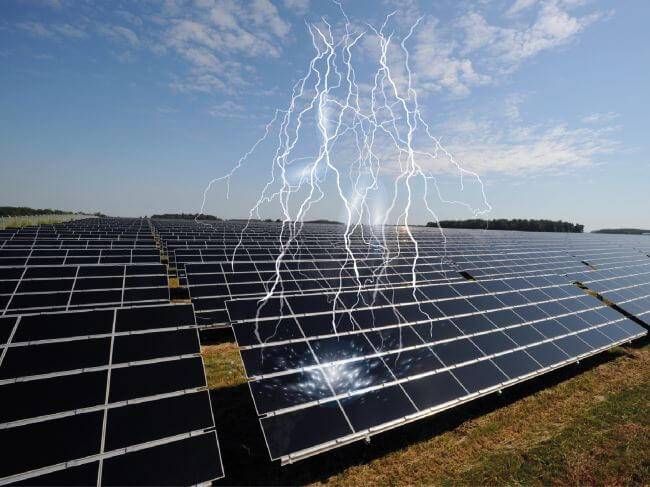
Partial Faraday design with non-ionizing lightning capture rods according to the rolling sphere method is the most effective protection method for solar power plants.

Using lightning rods in solar power plants increases risks in lightning protection.
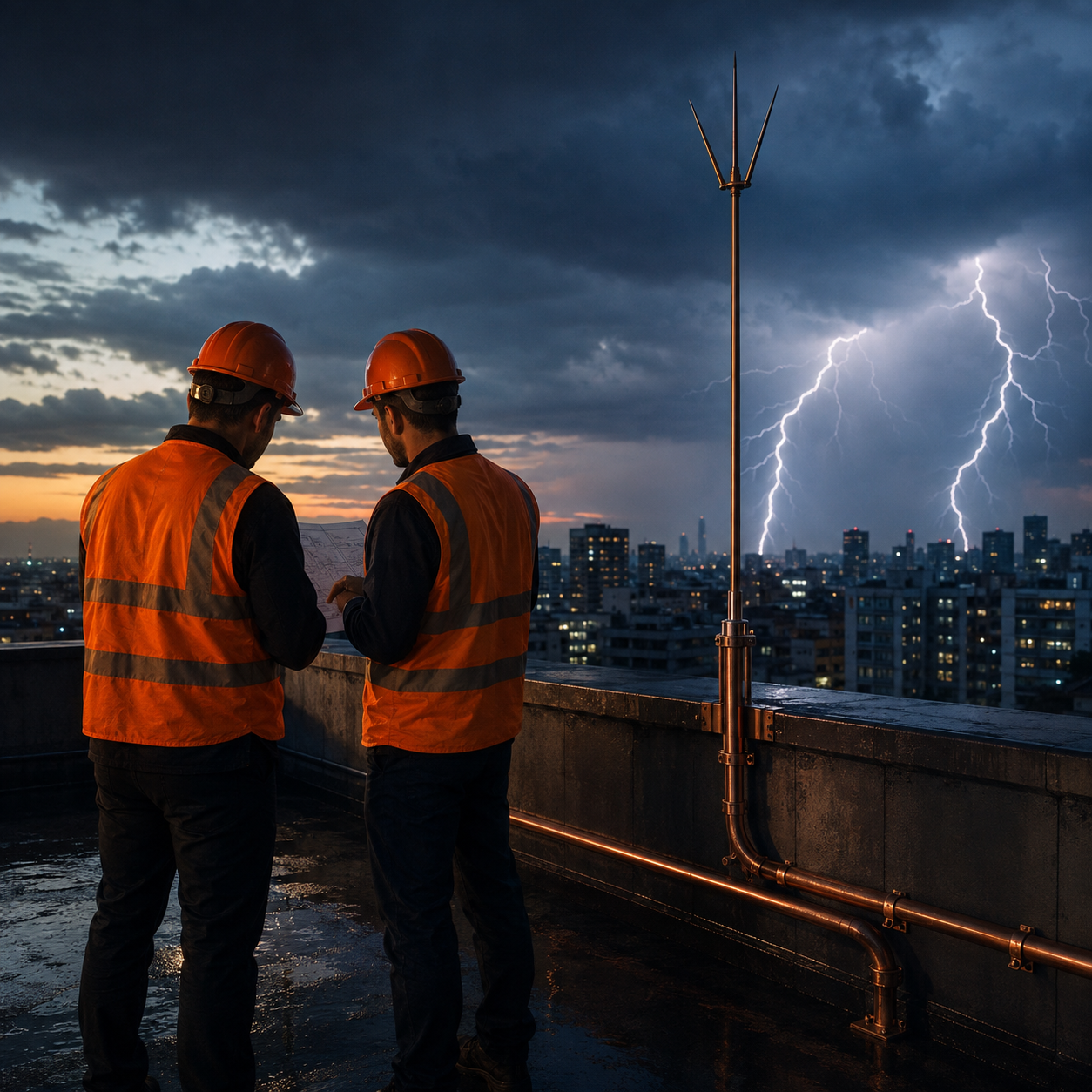
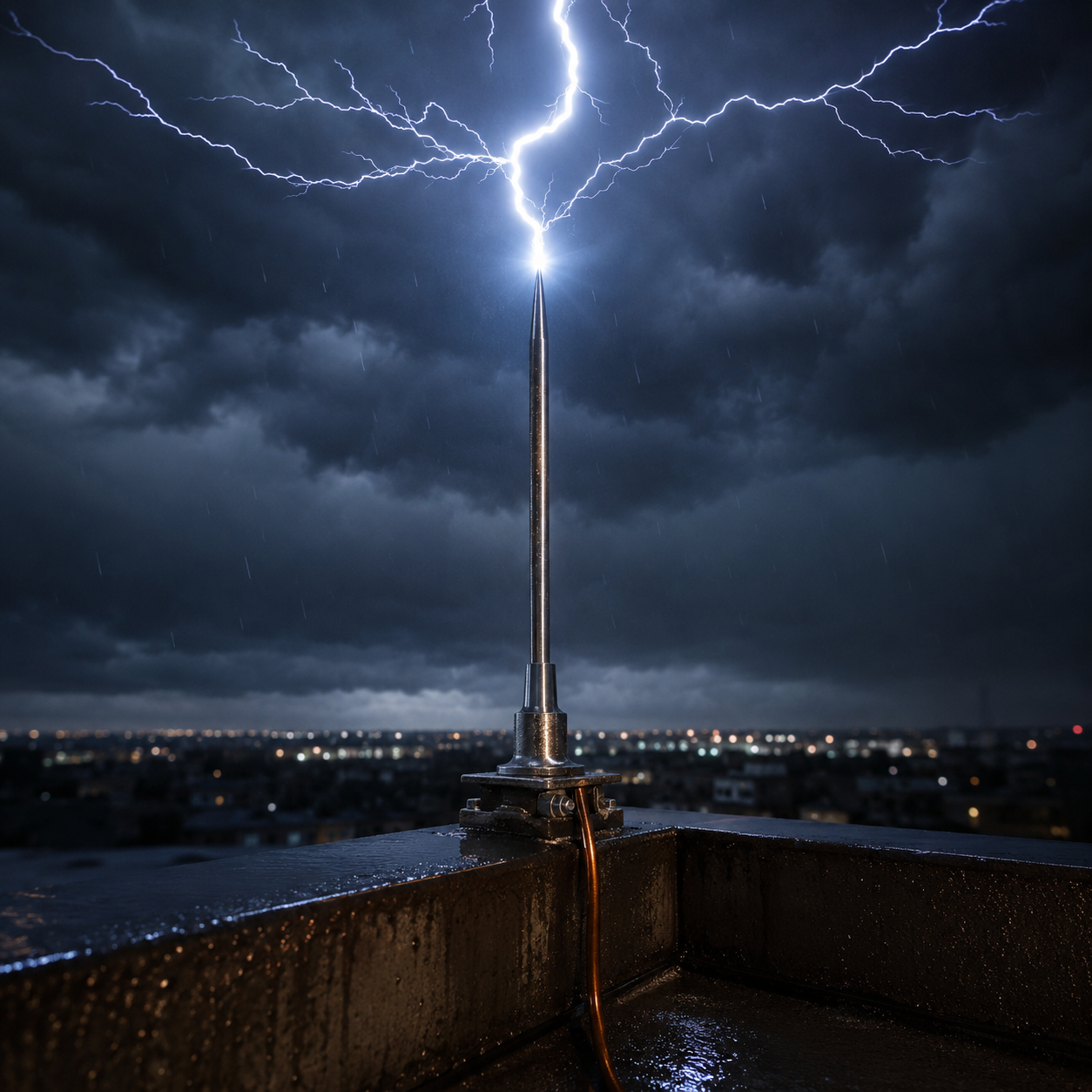
Instead of a lightning rod system, it is important to install long capture rods around the facility while considering the S protection distance. This minimizes insurance and bank risks. In solar energy investments, this issue is crucial for insurance purposes. External lightning protection systems should also be included in the equipotential bonding using damping spark gap surge arresters. However, an external lightning system only provides protection against the physical effects of lightning. It directly captures the lightning and transfers it to the ground, preventing the strike from hitting the system, but it does not provide electrical protection.