The correct approach is to connect the facility’s grounding system to the equipotential bar. This prevents voltage differences between any two points in your operation and ensures equipotential bonding across all grounding protections.
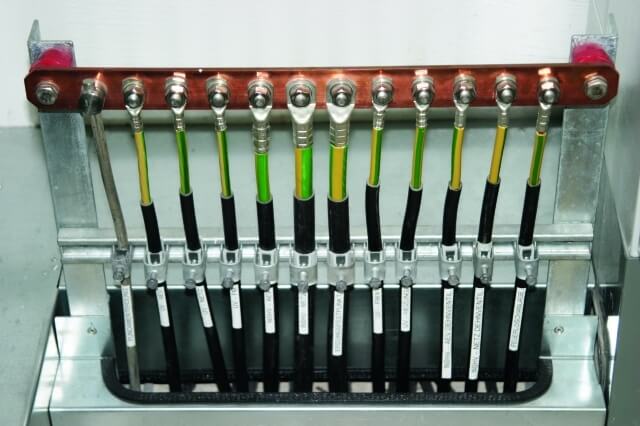
An equipotential bar should be used for a proper grounding system.
Equipotential systems and bonding are mandatory for all facilities according to regulations.
Equipotential System and Surge Arresters
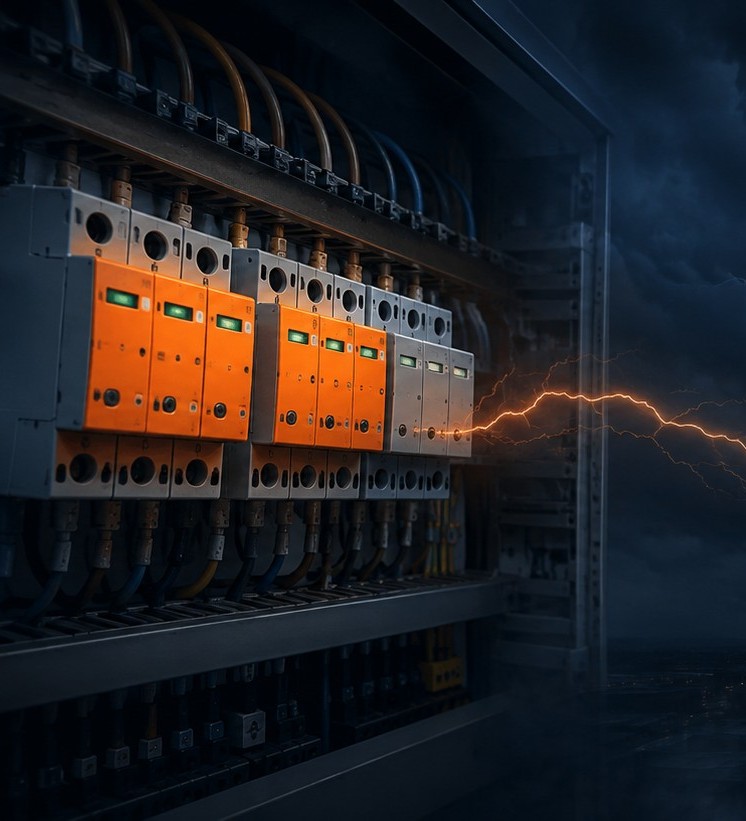
While using an equipotential grounding system for lightning protection, internal lightning protection, i.e., surge arrester systems, should also be included in the facility. Otherwise, the system remains unprotected against overvoltage surges. Resistance differences within the facility may cause fault currents at one point to reach other points within nanoseconds, potentially damaging sensitive devices due to sudden voltage fluctuations.
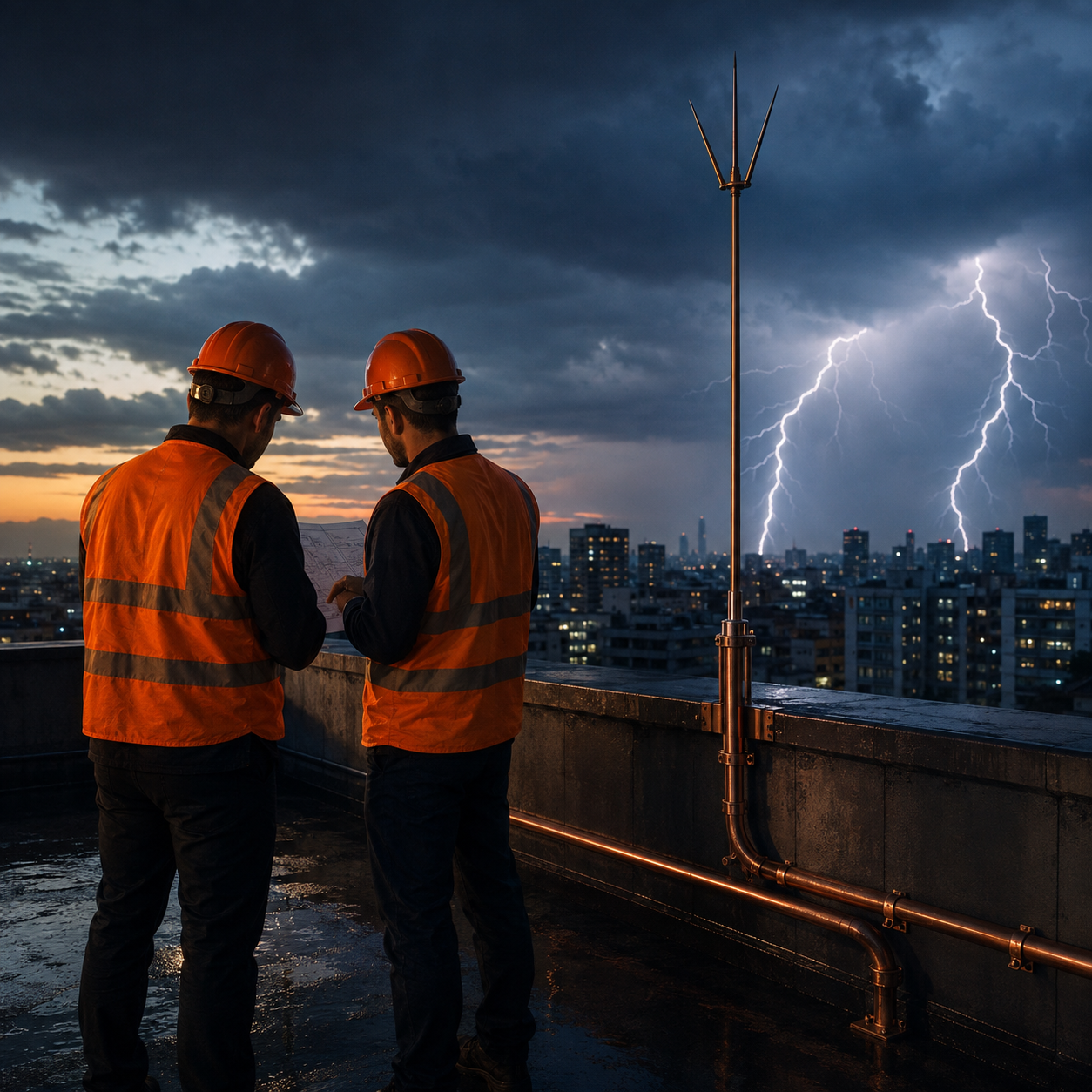
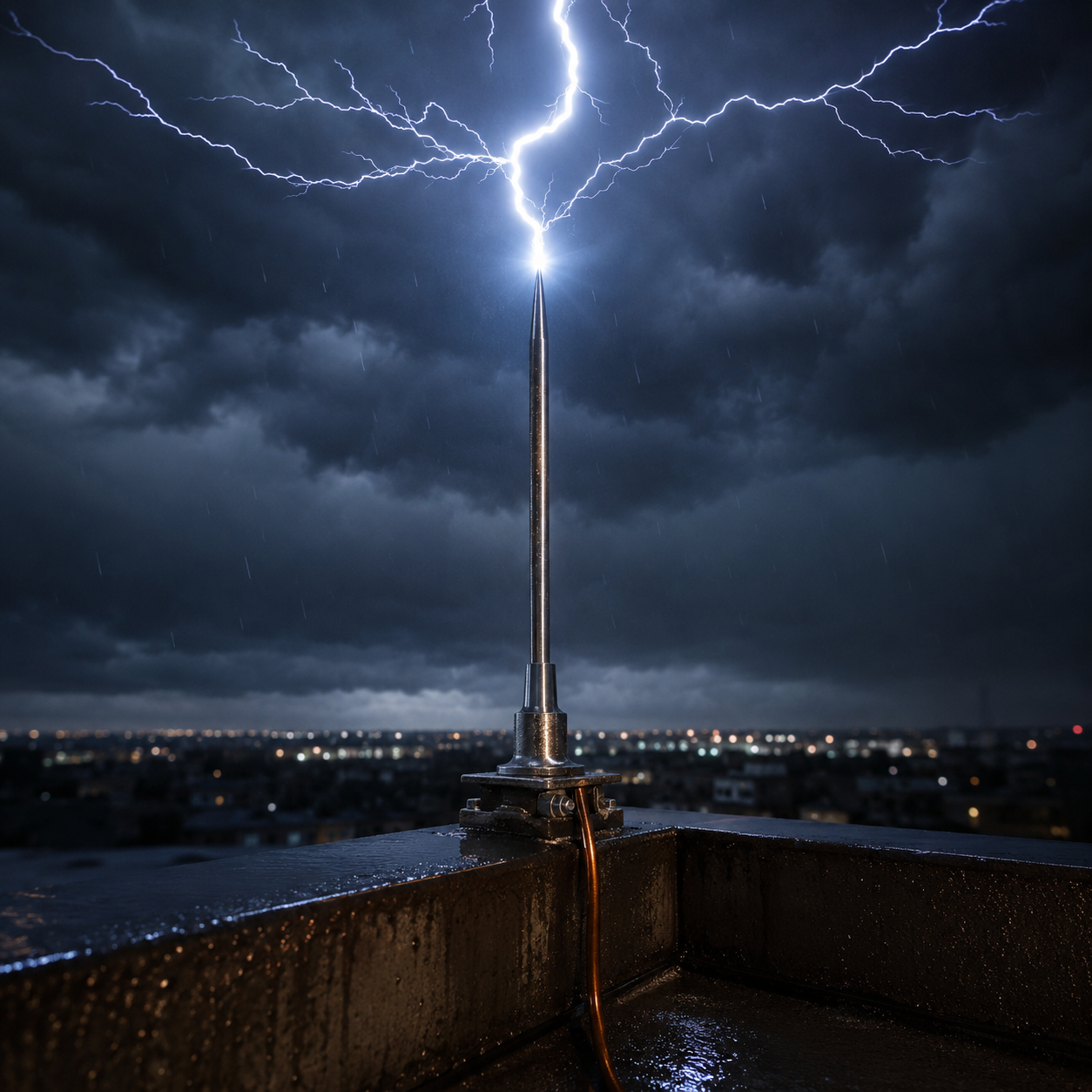
Additionally, if a lightning strike targets the external lightning protection system and there is an equipotential difference between the external system and the facility devices, the lightning impulse may directly hit facility components, creating a major risk. Therefore, the external lightning system must also be integrated into the equipotential bonding.
It is important to use spark gap surge arresters to achieve equipotential bonding while damping the incoming surge. To suppress surge propagation within the facility, B, C, and D class LV Surge Arresters must be used.
You can contact the Lightning Protection Center expert team for equipotential inspection and system measurement.