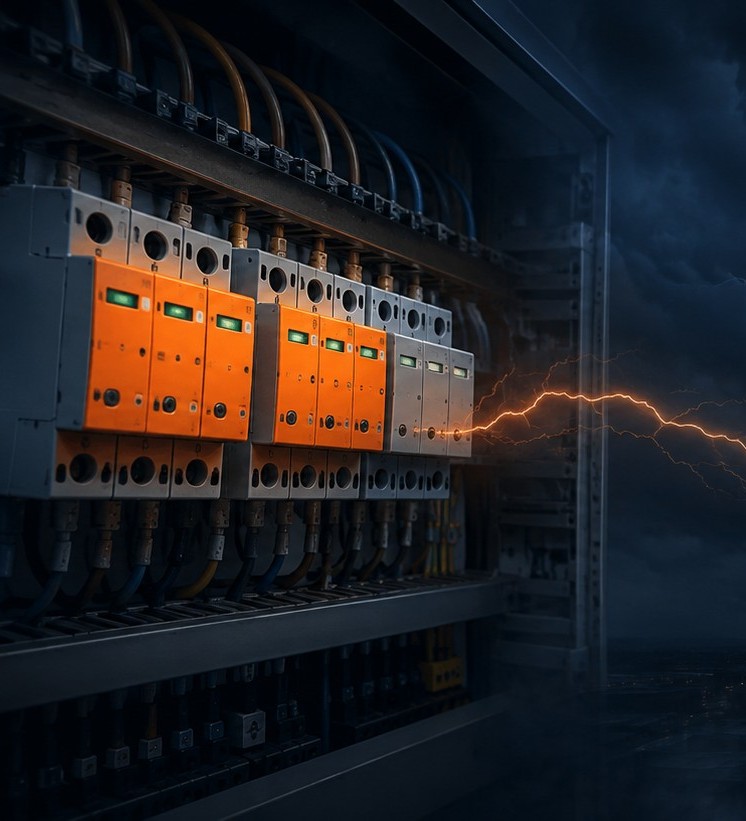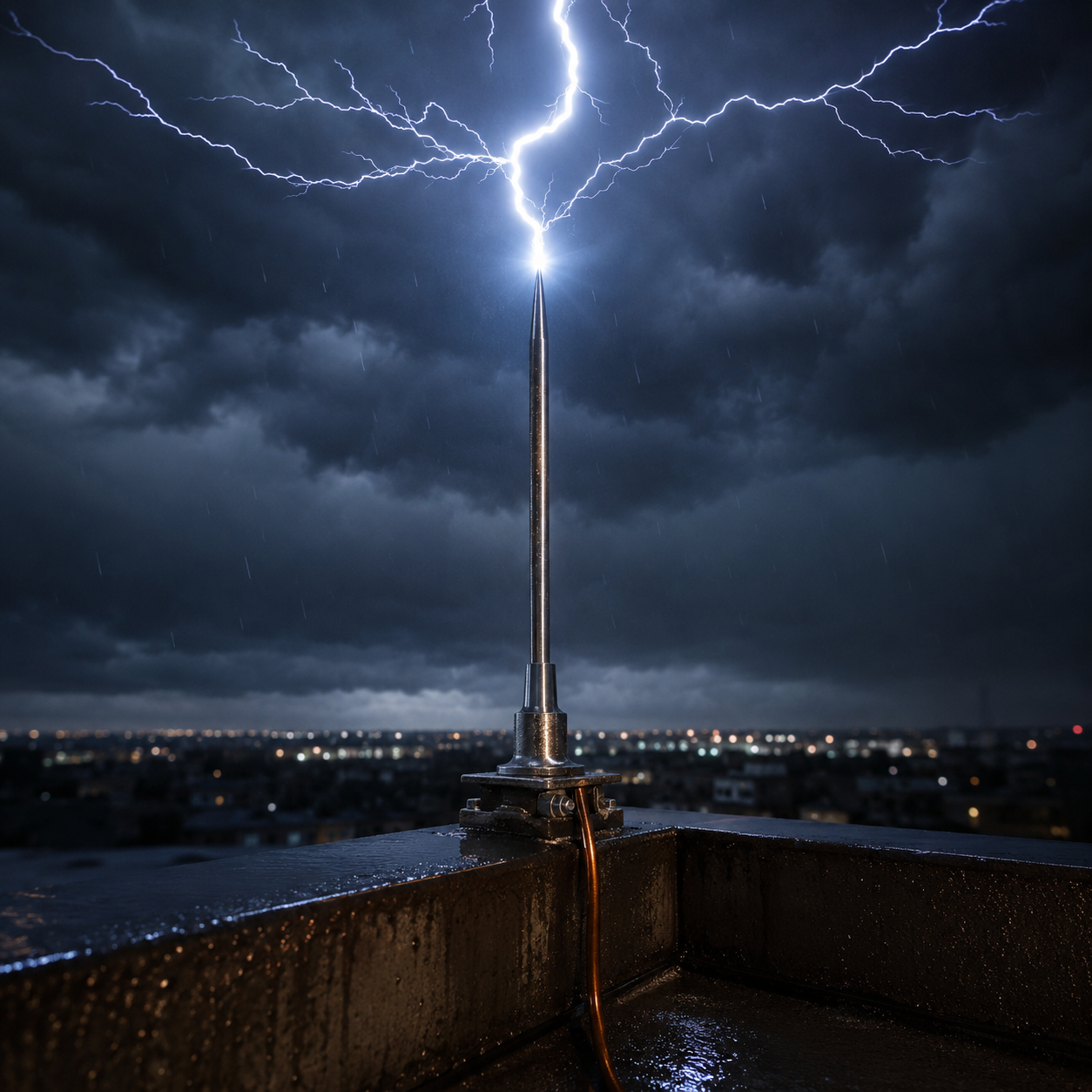
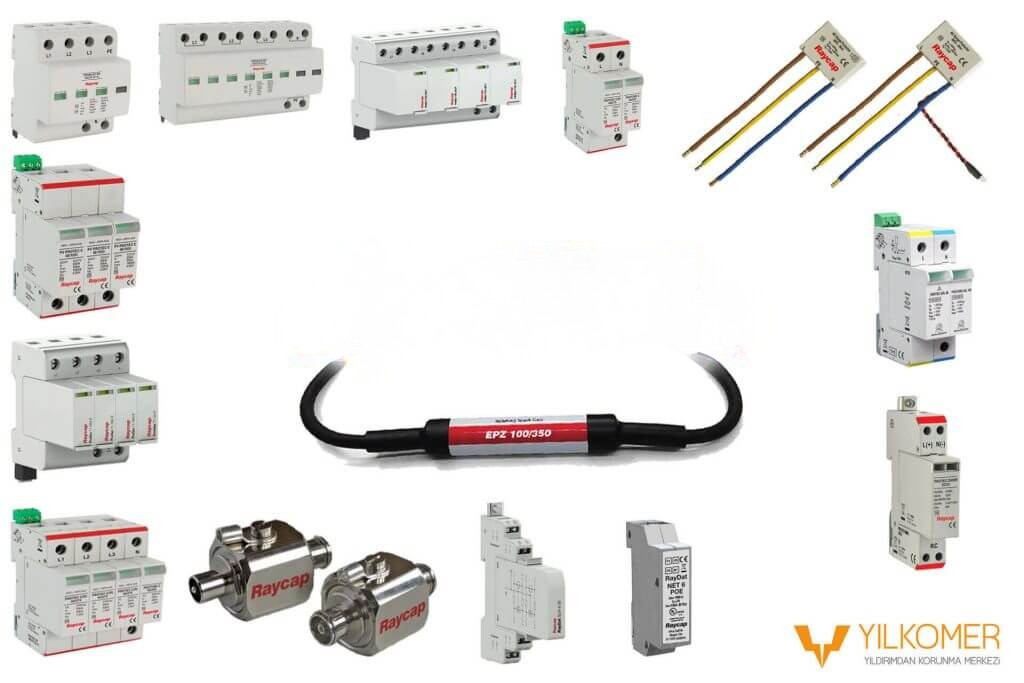
LV surge arrester system technologies have quite different characteristics in terms of protection levels and endurance times. The surge we are trying to protect our systems from is a lightning impulse; more explicitly, it occurs on the nanosecond scale, can exceed a peak value of 200 kA, can reach 1 million volts, and has characteristic temperatures of up to 28,000 degrees Celsius. The most critical value for surge arresters here is this temperature. The best technology can be defined as the one that ensures semiconductor components forming the core technology of the surge arrester are not affected, or are affected as little as possible, by this heat. For example, the success of Raycap Strikesorb technology stems from this very point. Alongside technology, the protection level of the surge arrester is also extremely important. In open fields or locations with very high lightning risk, instead of selecting a product with an Iimp lightning protection value of 12.5 kiloamperes, products capable of withstanding up to 200 kiloamperes may be preferred. In summary: the right product, the right technology, the right class, and the right protection level.
We have prepared a selection sequence showing which Raycap technology and product should be used at which point; by using these products in your designs, you can achieve correct protection;
1) TRANSFORMER LV OUTPUT PANEL LV SURGE ARRESTER SELECTION
- At this point, a Raycap Type 1+2 (Class B+C) product must be used.
- The most advanced technology is Raycap Strikesorb Technology. It provides guaranteed protection for up to 10 years with peak values up to 200 kA.

- Alternatively, at the LV output section, among DIN-rail panel-type surge arrester products, the Raycap PROTEC T1HS Series with hybrid system technology absorbs an unlimited number of surges within its capacity. In terms of Type 1+2 protection values, it is the most powerful among modular DIN-rail products. It provides protection against 100 kA lightning and 130 kA grid surges.

- If you prefer to use a modular gas discharge tube (spark gap) technology product, the Raycap PROBLOC Type 1+2 100 kA Series is the most ideal product for the Transformer LV Output Panel. The use of only Type 1 (Class B) products is no longer preferred; protection against both lightning and grid surges is a more accurate protection method.

2) BUILDING MAIN INCOMING PANEL LV SURGE ARRESTER SELECTION
- All products described in item 1 can be used in building main incoming panels.
- However, if there is a transformer LV panel and one of the above products is used, Type 1+2+3 MOV-based products and Type 1+2 50 kA products can be used at the building entrance panel.
- If the facility does not have its own transformer and there is a single main incoming point, using the products in item 1 is correct.
- The Raycap Probloc Type 1+2 50 kA Series is one of the most ideal products for this point.

- Similarly, for the main incoming panel, the Raycap PROTEC T1 SERIES TYPE 1+2 50 kA 3P+N is an ideal solution.

3) SUB AND FLOOR DISTRIBUTION PANEL LV SURGE ARRESTER SELECTION
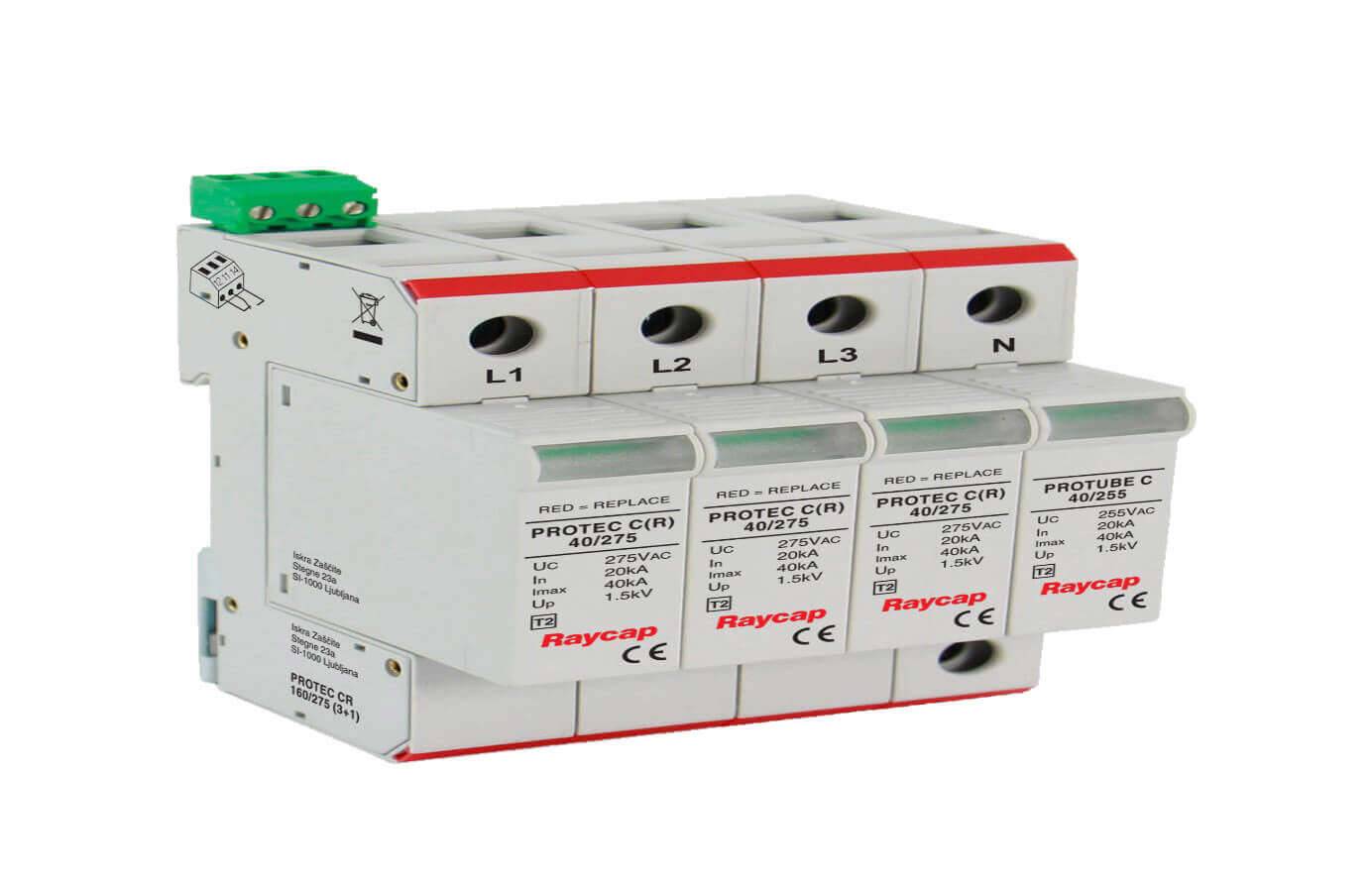
In sub and floor distribution panels, after the protection at the main incoming point, Type 2 and Type 2+3 products that can operate hybridly with Raycap products should be used.
Raycap PROTEC C 160/320 TYPE 2 40 kA Series is the most ideal product for this point.
4) UPS AND GENERATOR LINES LV SURGE ARRESTER SELECTION
- Type 1+2 and Type 1+2+3 products should be used on these lines.
- Raycap Probloc 50 Series provides the most ideal protection.

5) CAMERA SWITCH INPUT LV SURGE ARRESTER SELECTION
- Single-phase products are generally used in camera and switch panels.
- If the panel is outdoors, Raycap Protec Type 1+2+3 1P+N Series is the most suitable solution.

- If the panel is indoors, the Raycap Protec C 1+1 Series can be preferred.

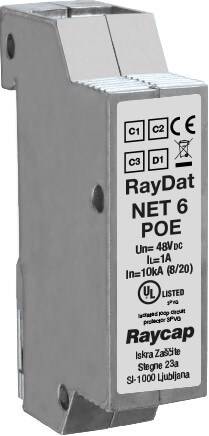
6) ETHERNET AND POE LINES LV SURGE ARRESTER SELECTION
- On Ethernet and POE lines, Type 3 bidirectional Raycap Raydat NET 6 Series should be used.
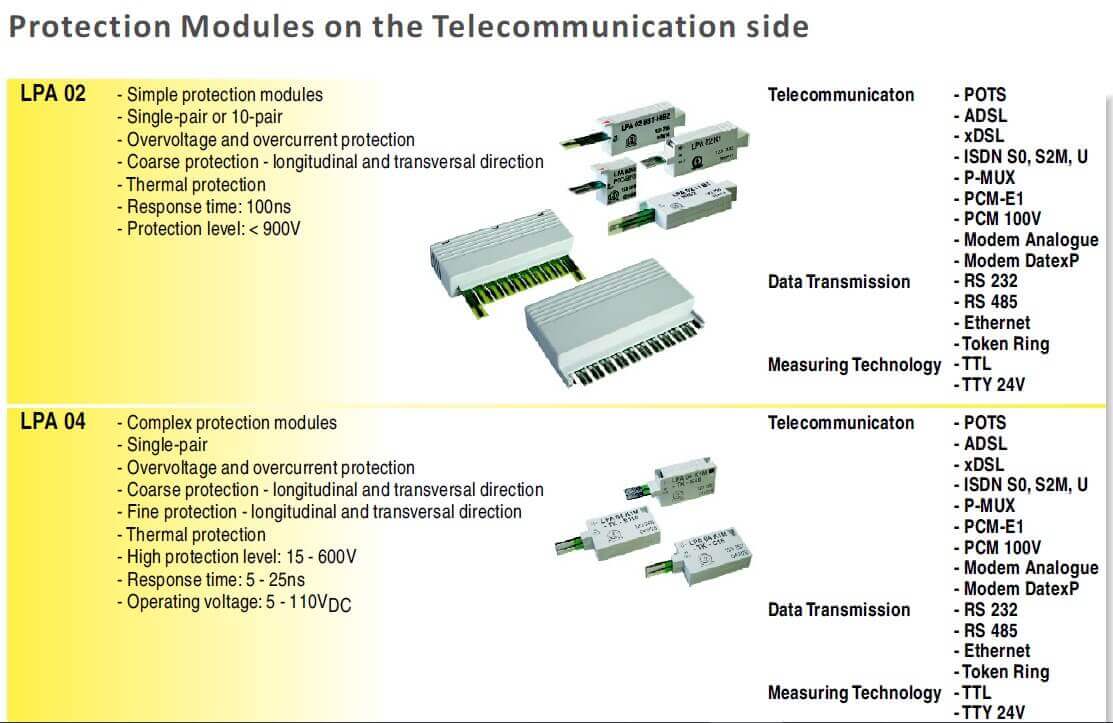
7) TELECOM EXCHANGE LV SURGE ARRESTER SELECTION
- Type 3 10-pair Krone protection products should be used on telecom lines.
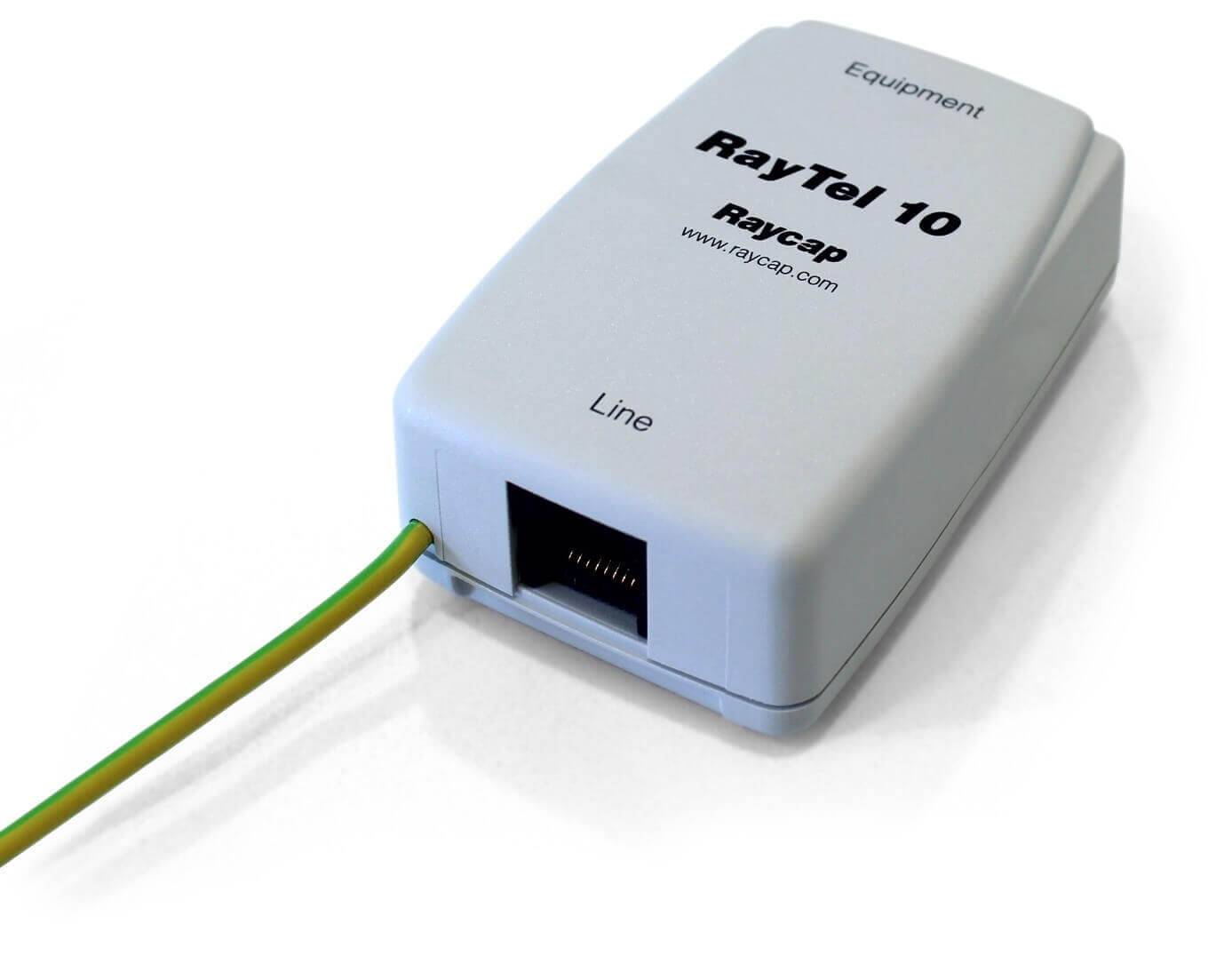
8) MODEM AND TELECOM LINES LV SURGE ARRESTER SELECTION
Type 3 RJ11 protection should be applied on modem lines. Raycap Raytel 10 is the most ideal product.
9) SATELLITE LINES LV SURGE ARRESTER SELECTION
- Type 3 sensitive protection should also be applied on satellite lines. LNB inputs are damaged by lightning surges and damage the connected devices. The product should be selected according to the input type.
- The Raycap Raydat Series makes a difference with GDT Technology.

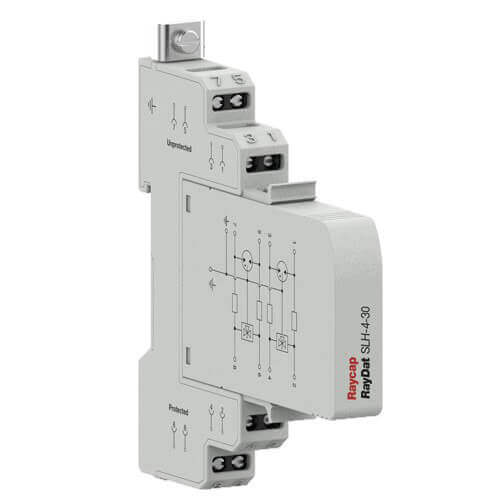
10) COMMUNICATION LINES LV SURGE ARRESTER SELECTION
- Communication line surge arresters should be used according to voltage level.
- Raycap SLH Series is the most ideal product for communication line protection.
11) RS485 ETHERNET LINES LV SURGE ARRESTER SELECTION
- RS communication lines, which are the most frequently surge-carrying lines especially in sensitive systems such as weighbridges, must be protected with Type 3 sensitive surge arresters.
- At this point, the Raydap RS485 Protection Series can be selected.

- If the system is 9-pin, Raycap 9-pin RS485 protection products can be used.

12) DC POWER SUPPLY OUTPUT POINTS LV SURGE ARRESTER SELECTION
- DMDR 20 Series providing Type 3 protection should be used at DC power supply outputs.
- Protection suitable for DC voltage levels such as 12, 24, and 48 V should be selected.

13) LV SURGE ARRESTER SELECTION FOR SOCKETS AND IN-SOCKET APPLICATIONS
- After main energy line and floor panel protections, it is important to apply Type 3 protection at the final points where devices receive power.
- Raycap MPE mini series is the most ideal product for in-socket protection.

14) PHOTOVOLTAIC SYSTEMS LV SURGE ARRESTER SELECTION
- For protection of inverter DC lines, Type 1+2 PV protection should be used for systems in open areas; Type 2 PV protection may be used for inverters located indoors. However, using Type 1+2 in every system is more ideal.
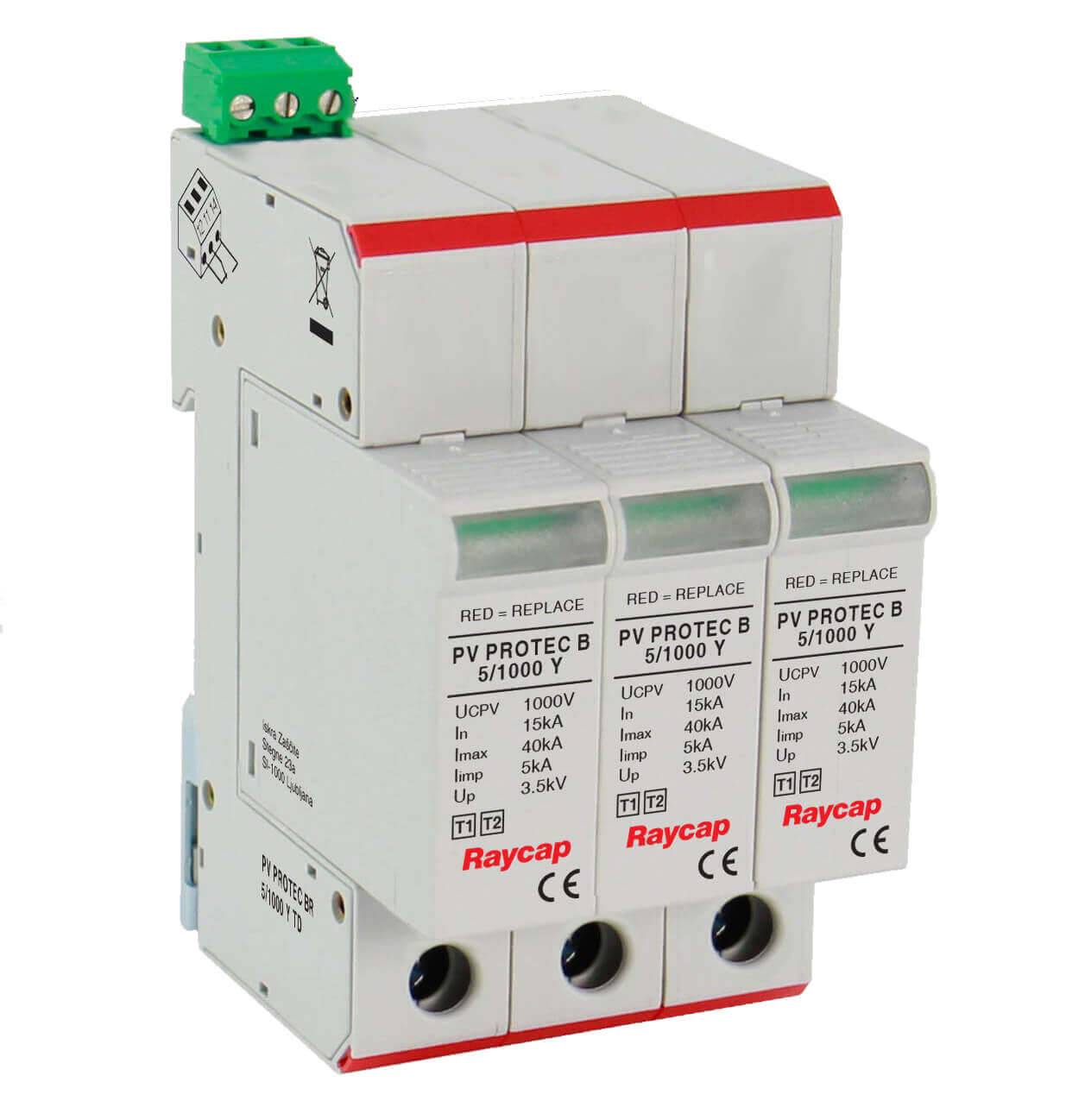
- Raycap PV PROTEC B Series provides Type 1+2 protection.
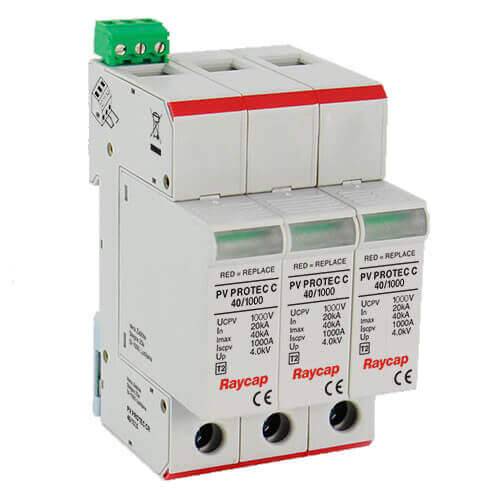
- Raycap PV PROTEC C Series provides Type 2 protection.
15) DRIVE SYSTEMS AND MOTOR PANELS LV SURGE ARRESTER SELECTION
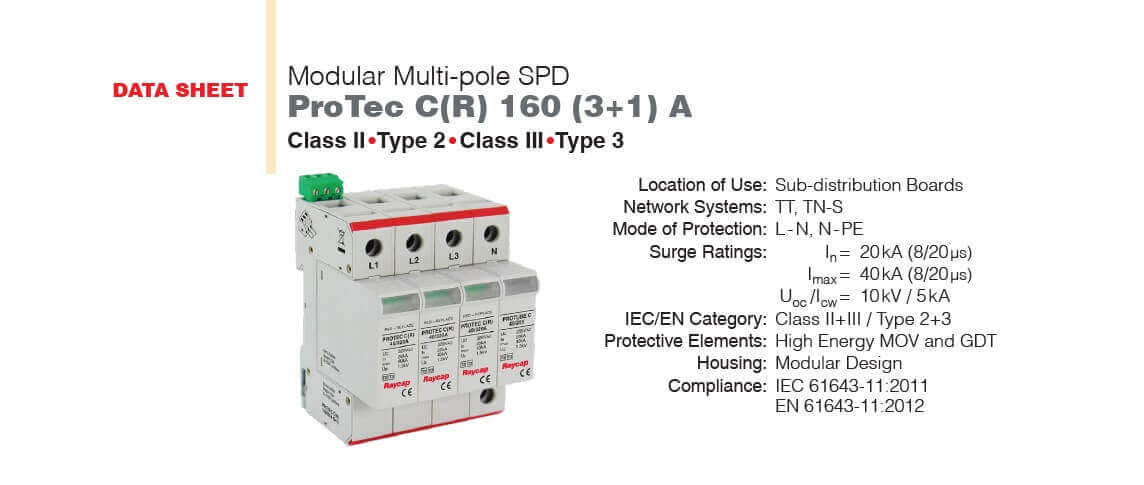
- The use of Type 2+3 surge arrester systems is most ideal in drive and motor systems.
- Raycap PROTEC C Type 2+3 Series eliminates all sudden spikes occurring in these areas within 25 ns.
17) ELEVATOR SYSTEMS LV SURGE ARRESTER SELECTION
- Both AC and DC line protection should be applied in elevator systems.
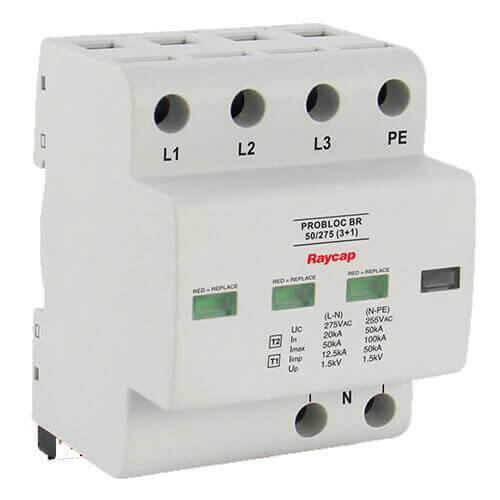
- For the AC section, the Type 1+2 Probloc 50 Series is ideal.
- DMDR 20 Series should also be used at DC power supply outputs.
18) LV SURGE ARRESTER SELECTION AT GROUNDING AND EQUIPOTENTIAL CONNECTION POINTS
- The use of surge arresters at equipotential connection points ensures that surges are suppressed before being directed into the facility.
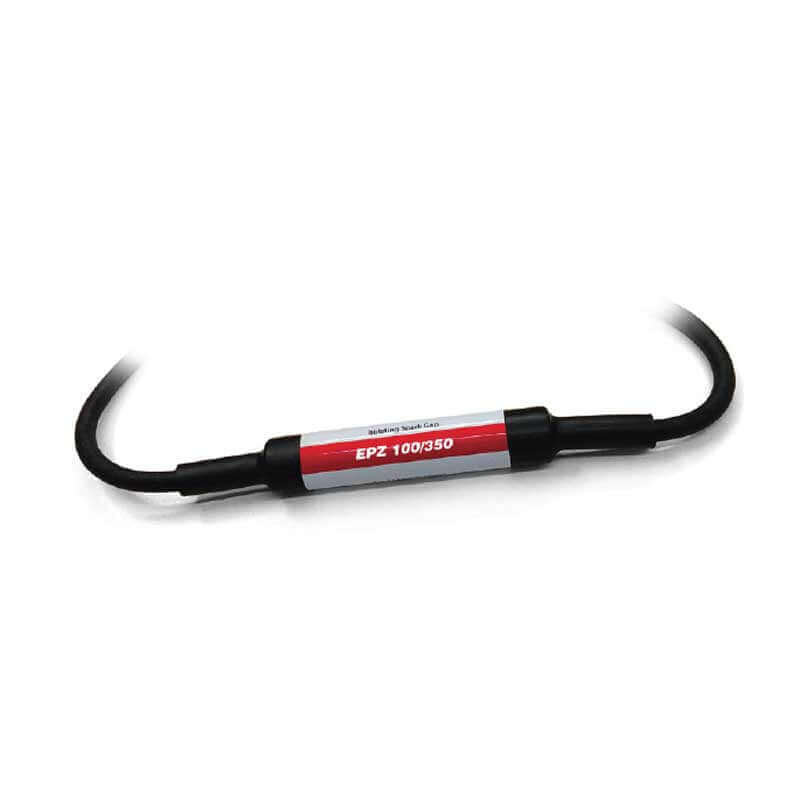
- At these points, the Raycap EPZ 100 Spark Gap product is the most ideal solution.
Each system is unique; following an on-site survey, the correct product should be selected based on risk analysis values and engineering evaluation. Experience, past damage data, and successful system examples resulting from previous applications are also important to consider. For this reason, as Yılkomer, we would like to support you with our experience in selecting LV Surge Arrester systems—our core field of expertise—and protect your systems with our products.
For free site surveys and technical support, you can contact us at info@yilkomer.com.
Remember, Yılkomer ‘Protects Your Values!’