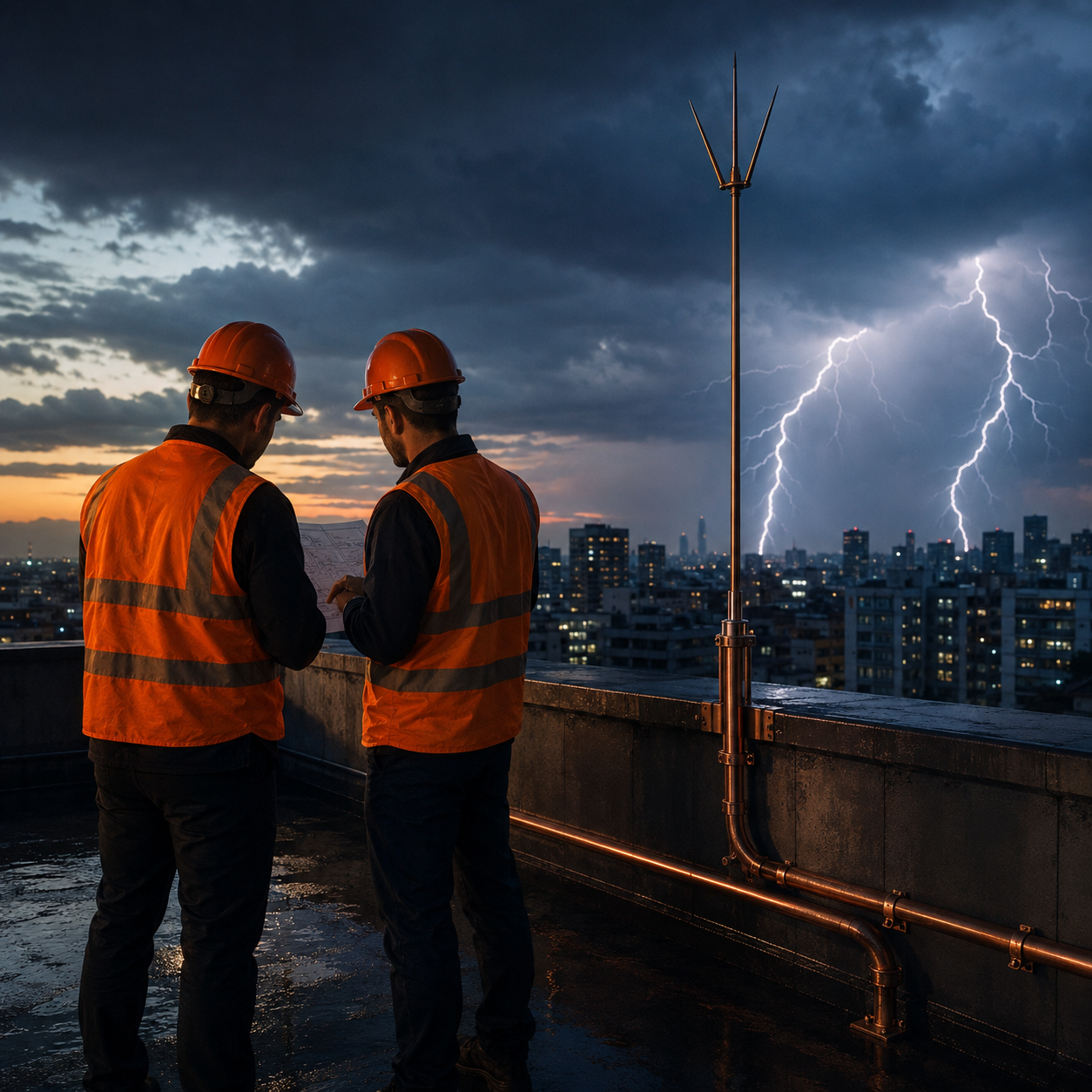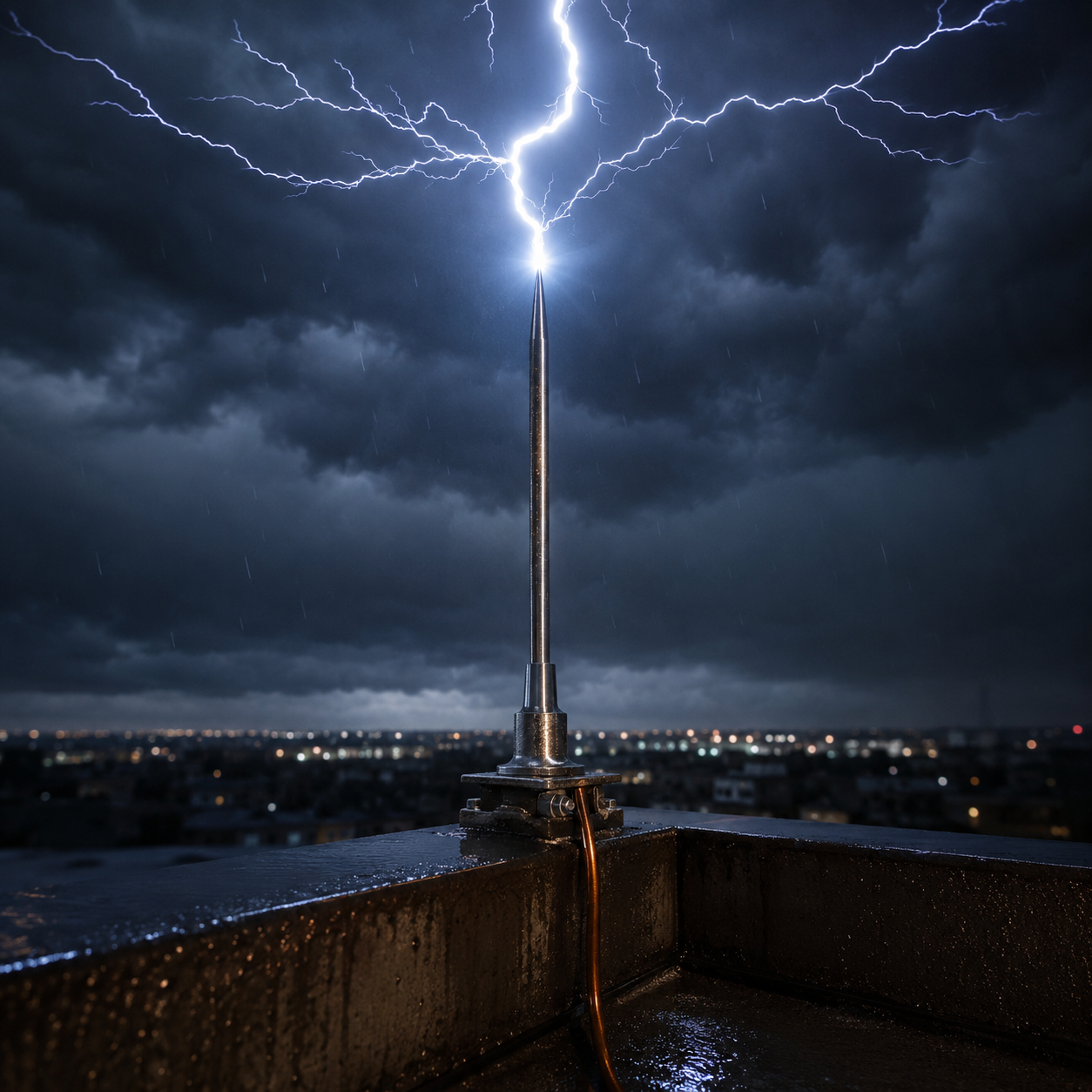
First of all, this subject must be addressed as a “SYSTEM”. If lightning air terminals to which the insulated conductor is connected are used on metallic surfaces, they must be insulated. Moreover, the separation distances must have fully insulating properties and must not be less than 1500 mm. The insulated conductor must be mounted internally within the air terminal so that surface contact is eliminated when an impulse occurs. The insulated conductor must be grounded to a metallic surface both inside the air terminal and along the entire route. Fundamentally, the steps can be listed in this manner.

Primarily, the kiloampere-based test value of the insulated lightning down conductor is of critical importance. This value, ranging between 150 kA and 200 kA, must have 200 kA withstand capability for explosive environments. The S separation distance mentioned for lightning down conductors is also valid for insulated down conductors in explosive environments. For this reason, special conductors that ensure the required “S” separation distance are manufactured. Especially in flammable and explosive areas, each manufacturer must specify the “S” distance of the cable. This distance generally appears at the level of 0.75 or 0.50 cm and is of great importance. For magnetic field protection, direct mounting to the wall does not pose a problem. In addition, manufacturers have determined the maximum usable height of the insulated conductor through testing. As practiced in our country, performing unlimited down-conduction on a 100-meter building using insulated conductors is not an appropriate application.
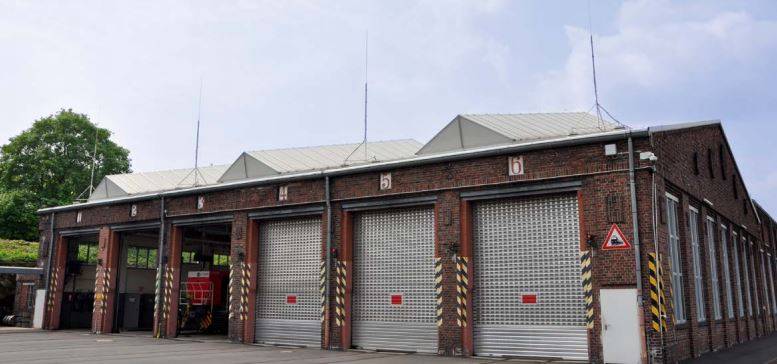
As Yılkomer, we use HVI series products manufactured in Germany. We use two models, Long and Power, in our systems together with the insulated lightning air terminal system. In particular, the HVI Power insulated down conductor system can be described as the safest insulated down conductor system due to its 200 kA withstand capability and EX environment certification. The most important point in these matters is product certification and testability. Manufacturers should emphasize the withstand capacities and ex-proof characteristics of insulated systems in the declarations they publish.

In conclusion, the Insulated Lightning Protection System requires a design consisting of system components.
- First, the insulated conductor should be selected according to the characteristics of the area of use.
- The lightning air terminal system must be insulated, especially on metallic surfaces, and the conductor must pass internally.
- Insulated conductor holders should be selected as ex-proof and with S separation distance according to the protection zone classification.
- The conductor surface must be grounded.
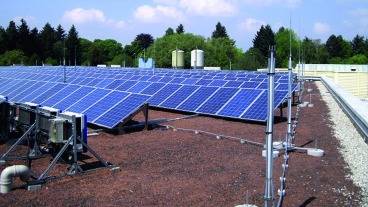
- The conductor must be grounded within the air terminal, and the insulated area of the air terminal must be at least 1500 mm.
- The conductor cannot be routed down the building with unlimited length; impedance losses must be calculated.
- The conductor must have suitability certificates for use in Zone 1 and Zone 2.
- The insulated down conductor system must be bonded to equipotential at the end of the down conductor. Equipotential bonding can be performed using spark gap arresters; in ex areas, spark gap arresters must also be selected as ex-proof.
- All system components used in the installation must also have a 200 kA test certificate.