- Power electronics devices (Static AC/DC converters, rectifiers)
- Arc furnaces and electrolysis
- Electronic ballasts
- Uninterruptible power supplies (UPS)
- AC speed control devices
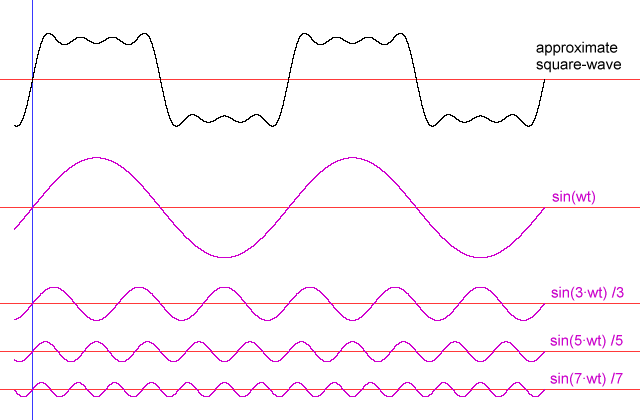
So what can harmonics cause in a facility?
- Additional losses in electrical power systems
- Losses in power generation, transmission, and distribution
- Increased voltage drop
- Rise in ground short-circuit currents
- Malfunctions in PLC and automation systems
- Burnout of electronic boards
- Distortion of relay signals
- Overstressing of capacitors in compensation systems
- Incorrect tripping of protection systems
- Incorrect operation of microprocessors
- Additional noise and loading in motors
- Resonance at harmonic frequencies even if there is no resonance at fundamental frequency
How Are Harmonics Measured?
Harmonic measurement must be performed regularly to ensure that each facility has quality electrical energy. Many power quality issues are caused by harmonics. According to international standards, harmonic distortion is limited to 3% for voltage and 5% for current. Most distribution systems in Turkey consist of single-phase and unbalanced loads. Therefore, the harmonic content of each primary phase is usually different. This makes it difficult to measure harmonics in three-phase systems because the imbalance level varies per phase. There are two different methods:
- Measure each of the 3 phases separately. The potential issue here is how frequently the defined distortion limit is exceeded.
- Average distortion over 3 phases. Each phase measurement contributes to the overall average distortion. The disadvantage is that a high distortion in one phase may be masked by lower distortions in the other two phases. This second method is safer and used for harmonic measurements.
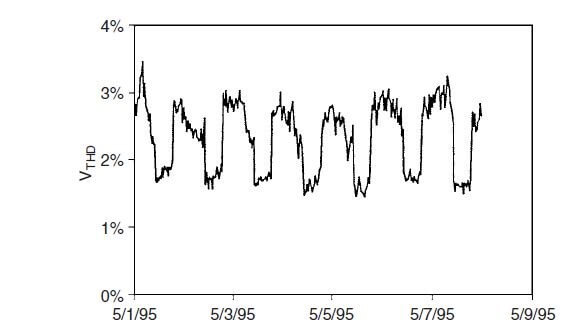
Harmonic Measurement Report
With harmonic measurements, the following parameters should be reported and monitored:
- Maintenance period of harmonic mitigation devices such as filters. Monitoring of installed fixed devices.
- Responsibilities of the grid
- Prevent harmonic resonance
- Record newly connected loads to the system
- Analyze new loads to prevent worsening of existing problems
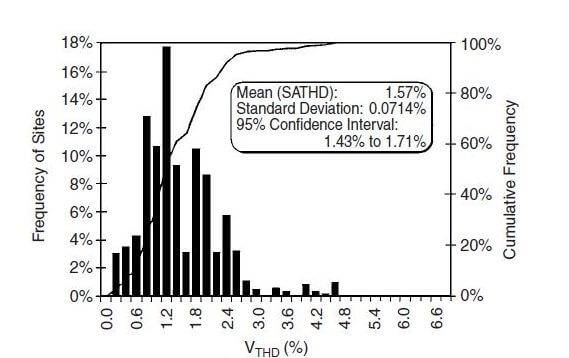
You can request a harmonic measurement report by filling out the form below.