




Since 1985

Lightning Protection
Is a System

We manage the entire process under one roof — from risk assessment to product supply, from design to installation and periodic inspection.

Solutions
Free Tool

See Your Risk
In a Minute

Calculate your building's lightning risk using the TS EN / IEC 62305-2 method and find out the required protection level and recommended components instantly.

Products

Complete Protection
Against Transient Surges

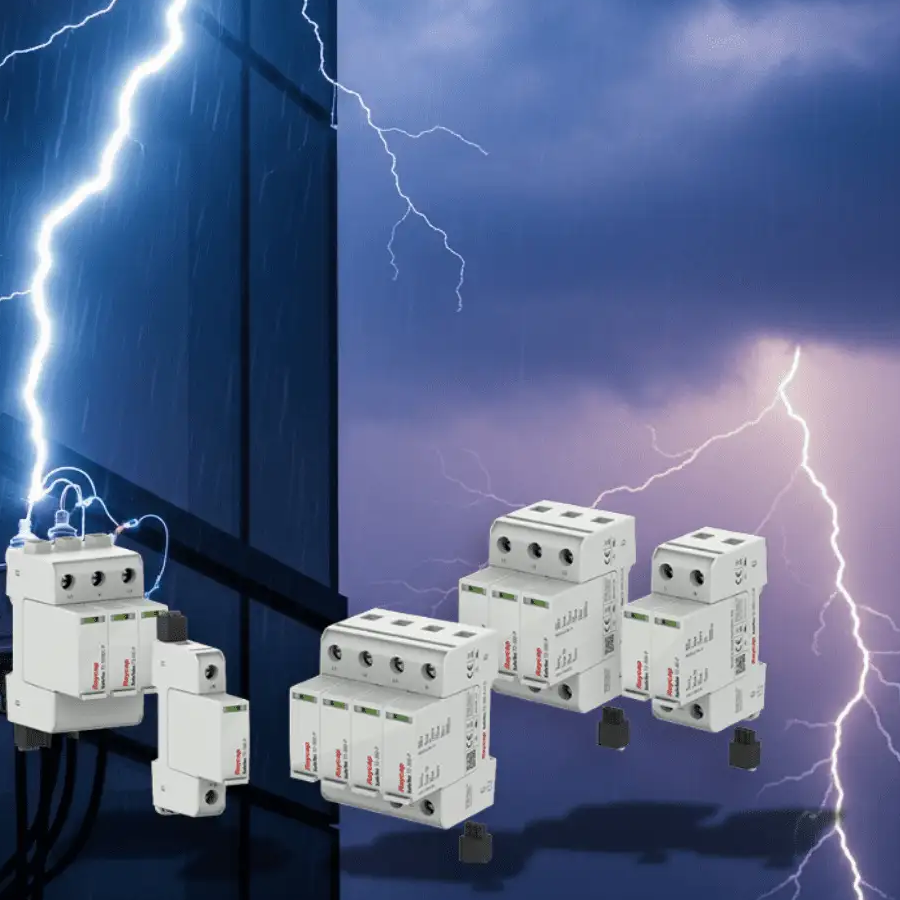
With the Strikesorb, Rayvoss, and ProTec families, the right product for every application — from industrial facilities to solar power plants, from data centers to charging stations.

TS EN / IEC 62305 Design and installation compliant with the standard
Raycap Products AC, DC, PV, and signal line protection
Measurement and Reporting Pre-delivery verification, periodic inspection
R1 and R2 Calculation Risk of loss of human life and loss of service
LPL I – IV Recommended protection level
Instant Result Four steps, no waiting
Wide Product Range Type 1, Type 2, and Type 3 solutions
Solar and DC Protection 1100 V and 1500 V DC systems
Uninterrupted Operation Fuseless Strikesorb technology
Experience

Since 1985 in the Industry

Standards

Compliant with TS EN / IEC 62305

Global Brand

Authorized Raycap Distributor

End-to-End

Design, Supply and Implementation

WHO WE ARE

YOUR END-TO-END SOLUTION PARTNER FOR LIGHTNING PROTECTION

Yılkomer manages the entire lightning protection and grounding process under one roof — from design and implementation to product supply and periodic inspection. Our process begins with a risk assessment in accordance with TS EN / IEC 62305 standards, continues with a system design tailored to your facility, and is completed with equipment sourced from leading global manufacturers.

Lightning protection is not about a single product; it is a system of components working together. External lightning protection, internal lightning protection, grounding, and equipotential bonding must work together to provide complete protection. Our job is to build that complete system.

Solutions

Earthing Equipment
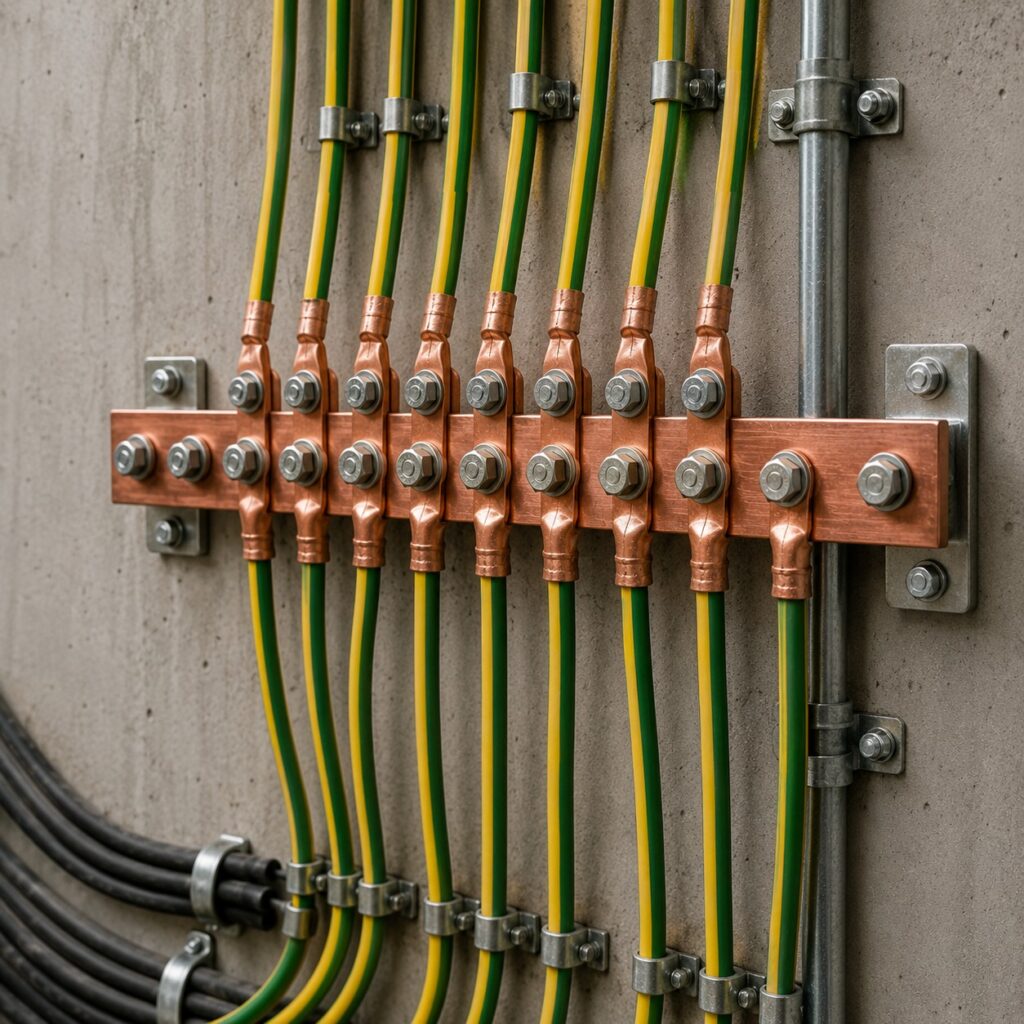
Equipotential Bonding System Components
ESE Lightning Conductors
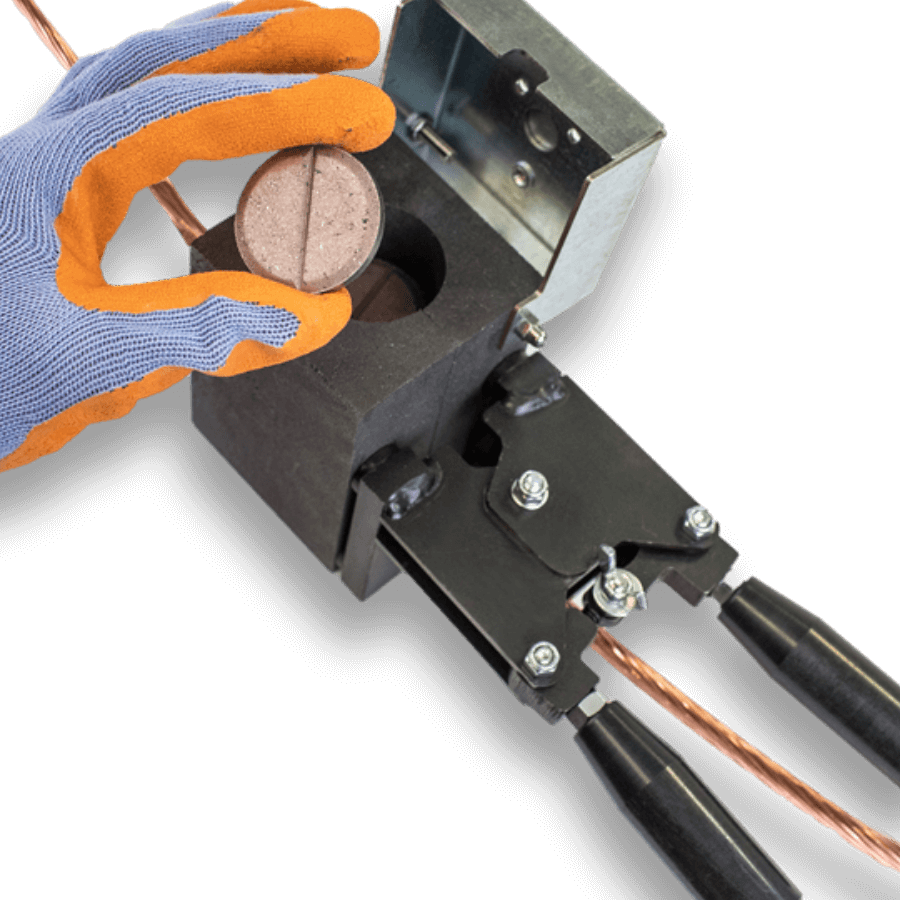
Exothermic Welding System Equipment
External Lightning Protection Systems
Internal Lightning Protection (LV SPD Systems)
Lightning Early Warning System Implementation
Lightning Prevention System
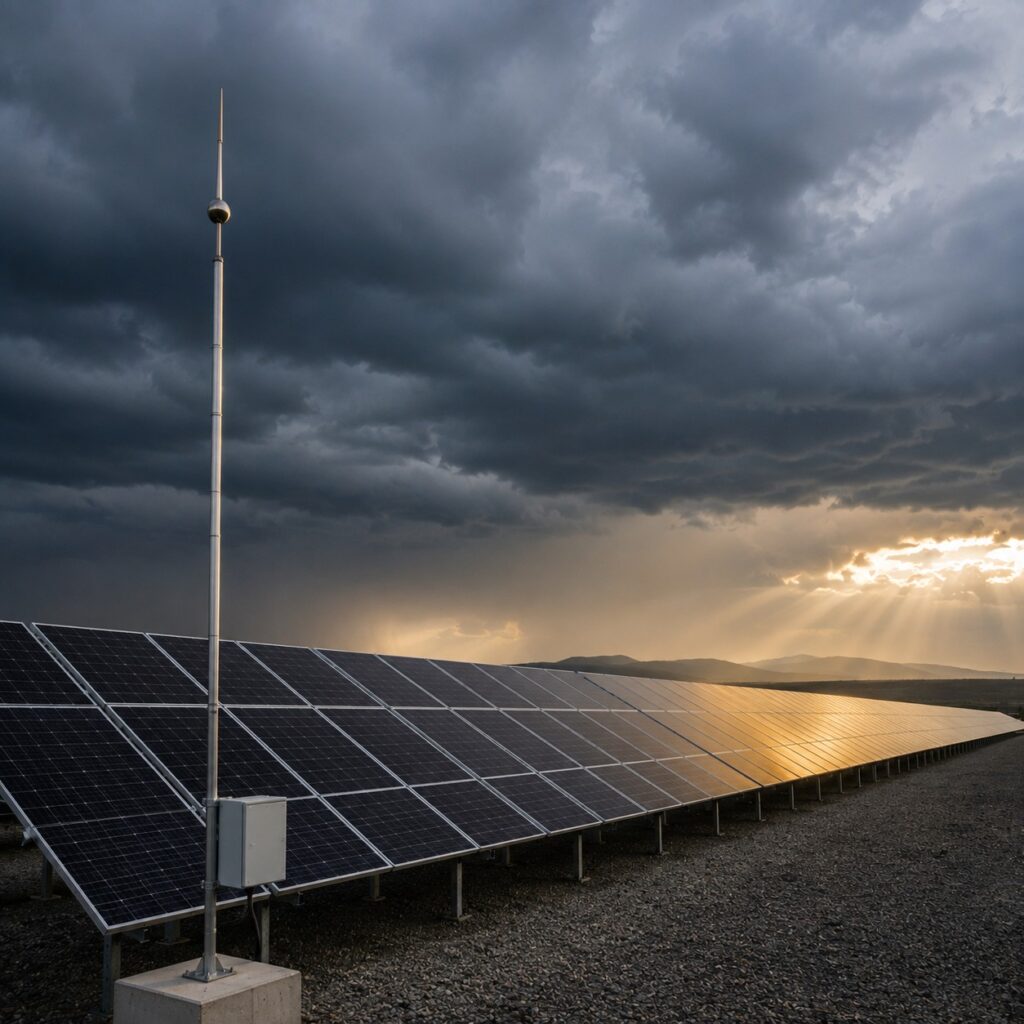
Lightning Protection Equipment for Solar Power Plants
Lightning Risk Assessment and System Design
Measurement and Electrical Installation Inspection
Our Custom Solutions
PROCESS

HOW WE WORK

01
Consultation

Get in touch with us to discuss your project and define your needs together.

02
Risk Assessment & Design

We conduct a risk assessment in accordance with TS EN / IEC 62305 and prepare a system design tailored to your facility.

03
Suplly & Implementation

We supply standards-compliant equipment and carry out the installation with our experienced team.

04
Testing & Handover

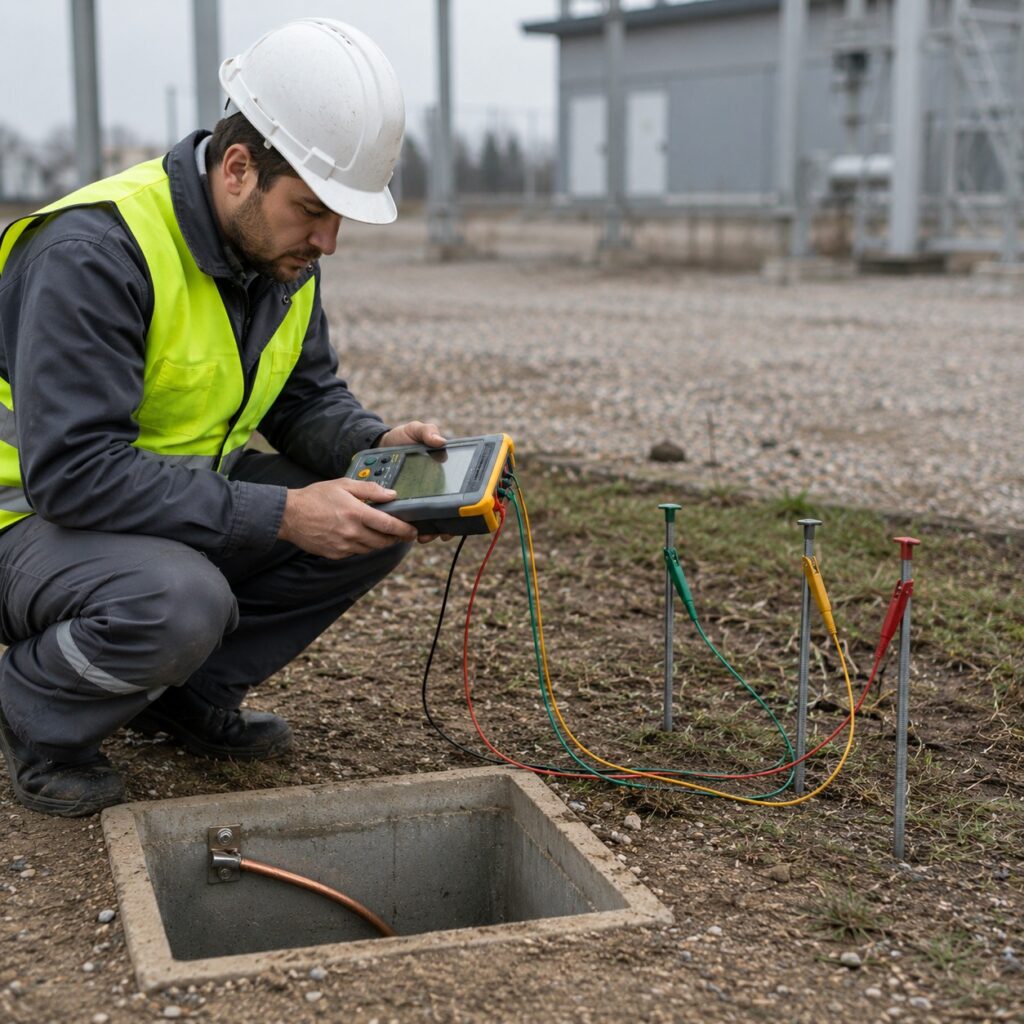
We perform grounding and continuity measurements and hand over the system together with the test reports.

How It Works

Lightning Protection Is a System

Not a single product, but five complementary links. If one is missing, the protection isn't complete.

1 2 3 4 5
  1. 01

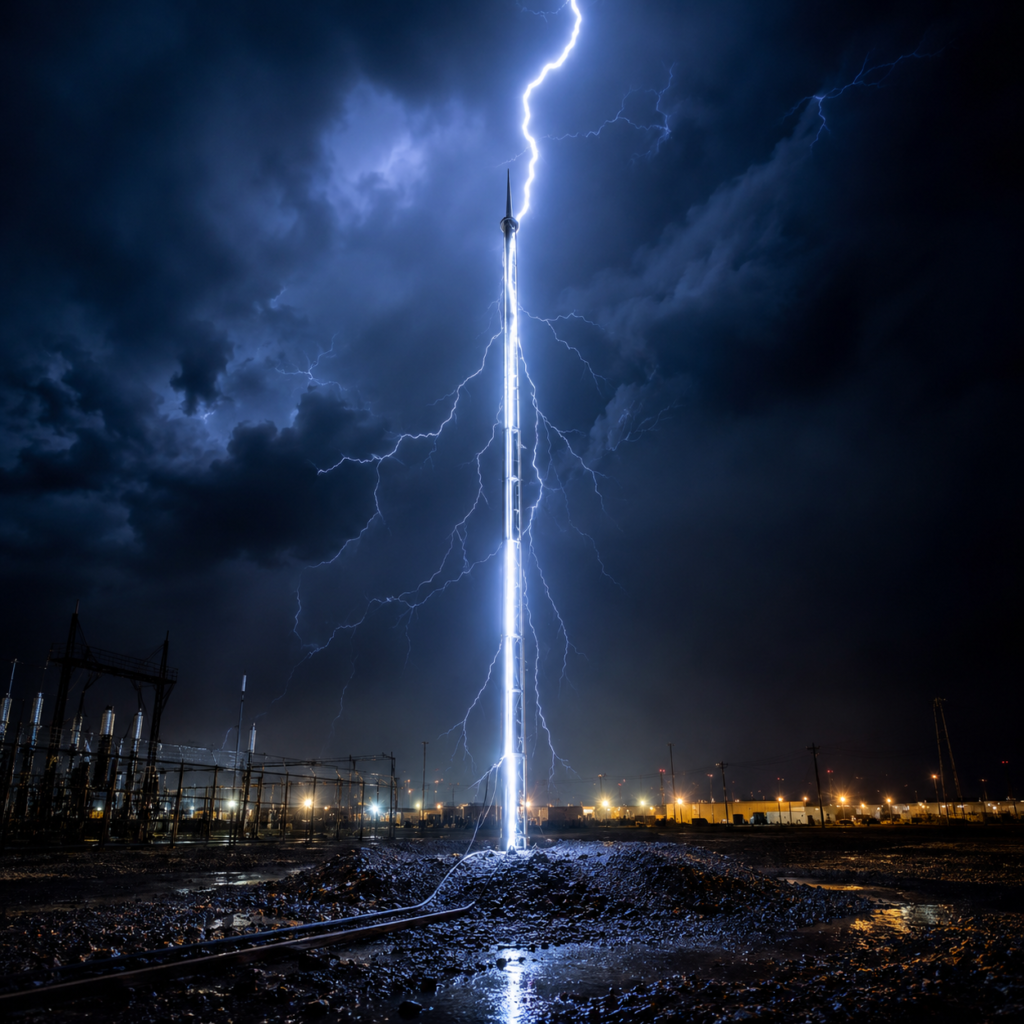
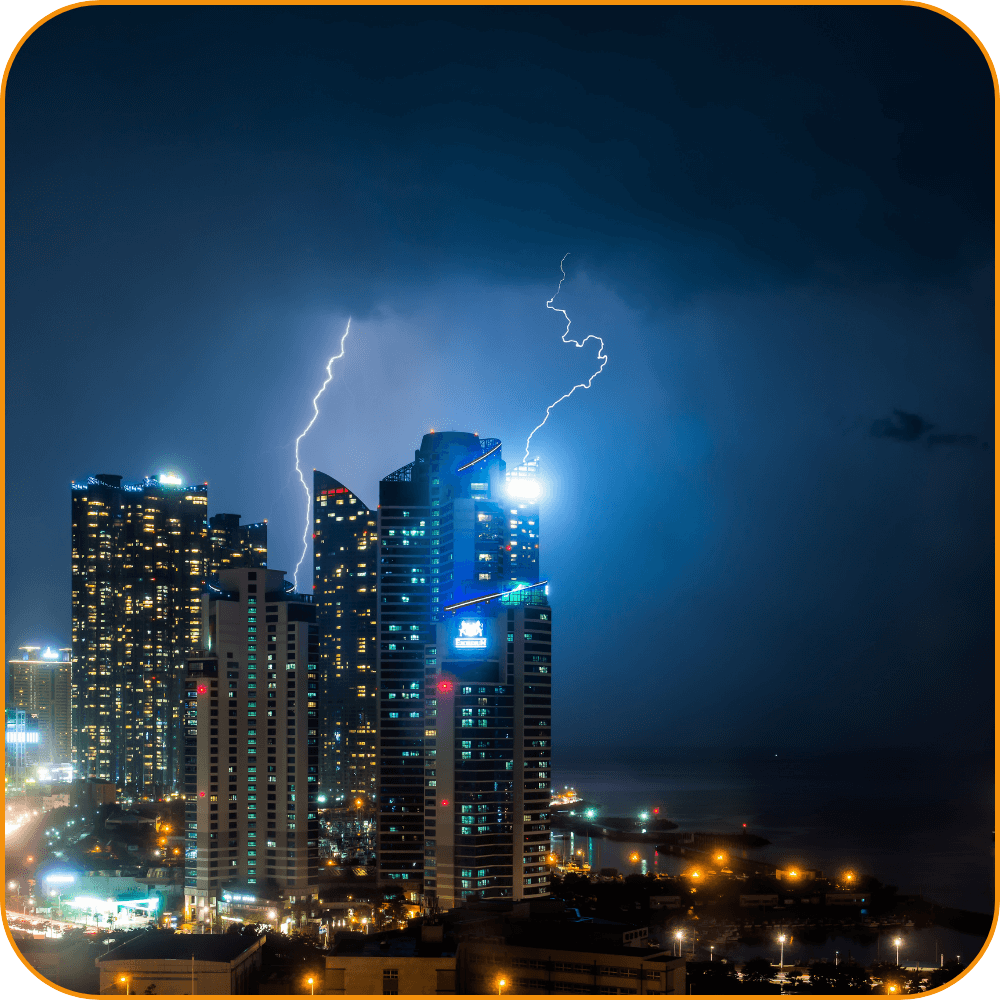
    Lightning Strikes

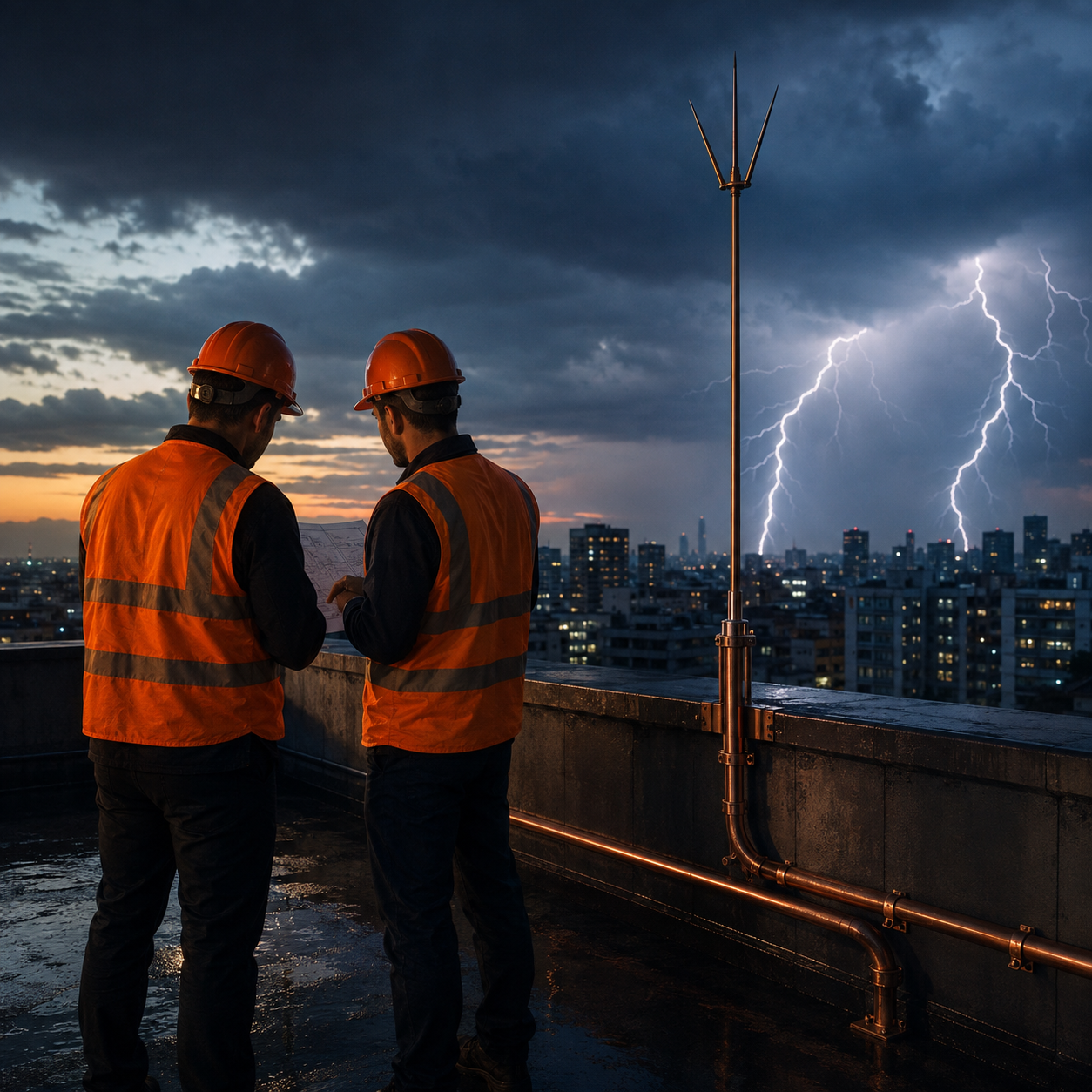
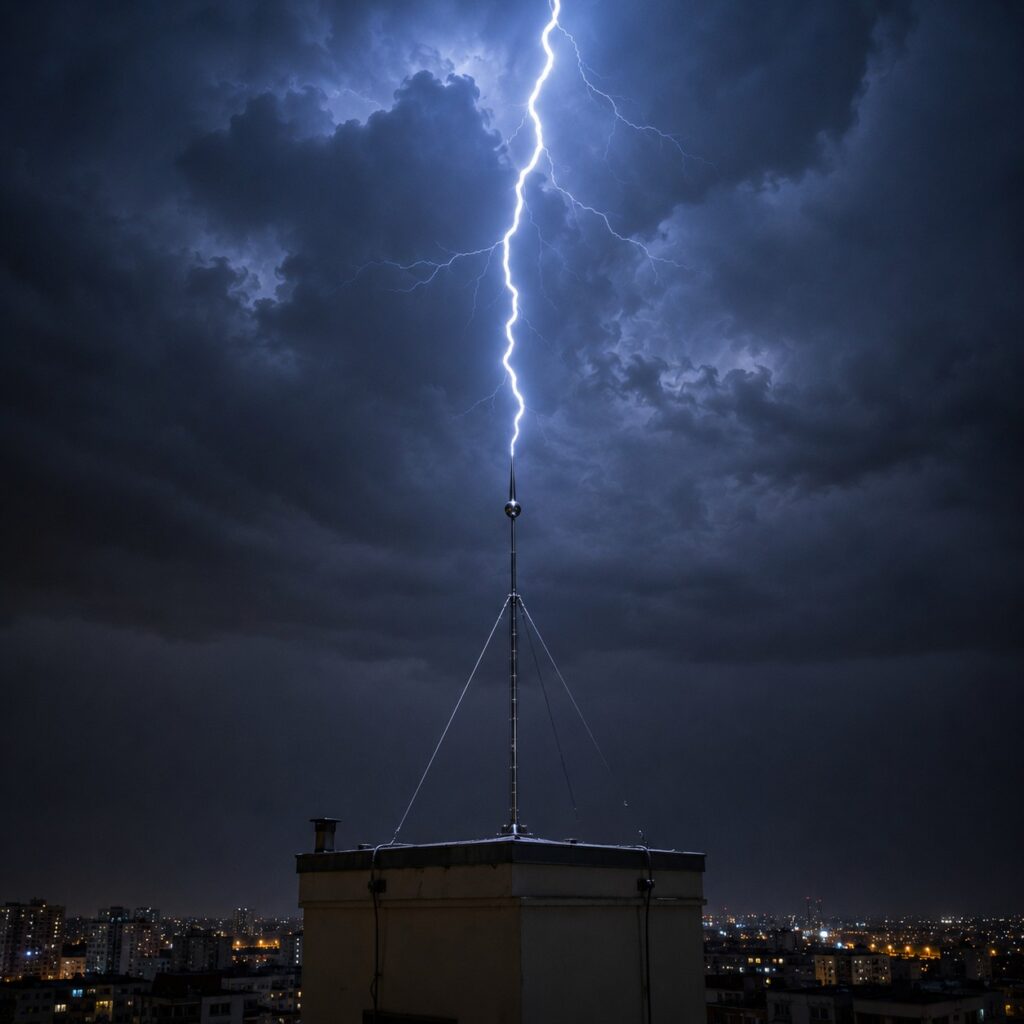
    The highest point of the structure determines the path the atmospheric charge will discharge through.

  2. 02

    The Air Terminal Intercepts It

    ESE lightning conductors and air terminals draw the discharge onto themselves instead of the structure.

  3. 03

    The Down Conductor Carries It

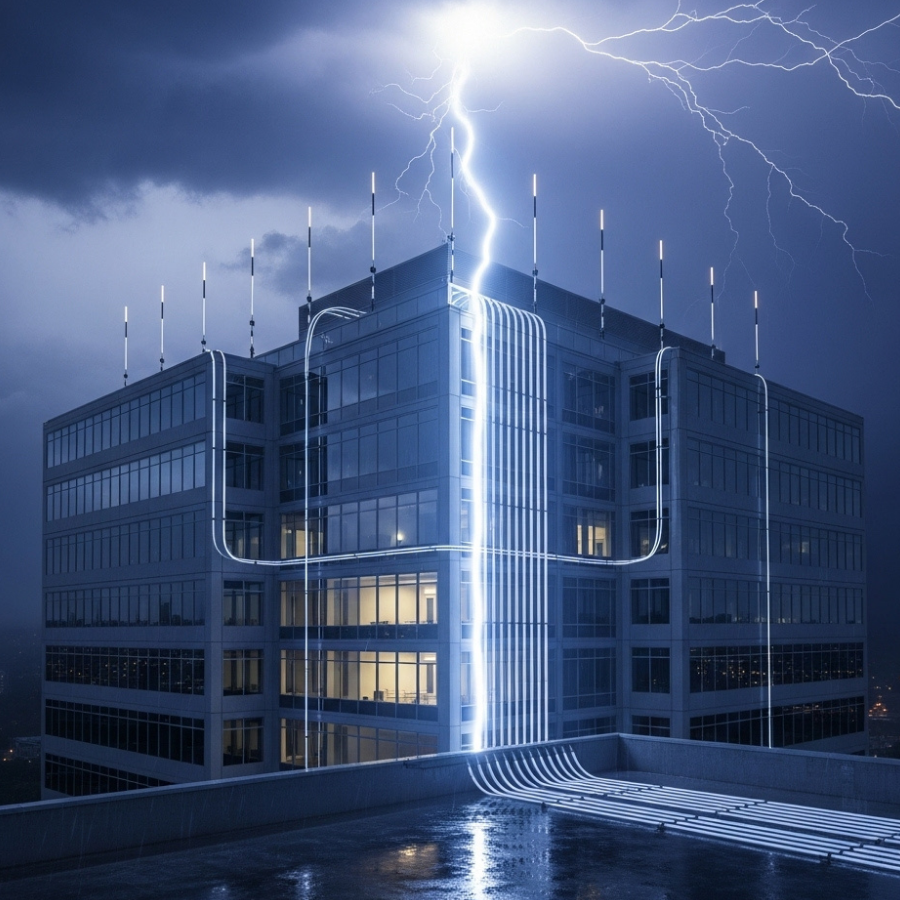
    The current is directed to earth by the shortest path, without damaging the structure.

  4. 04

    The Earthing System Disperses It

    The electrode system safely disperses the energy into the ground, limiting step voltage.

  5. 05

    The SPD Protects

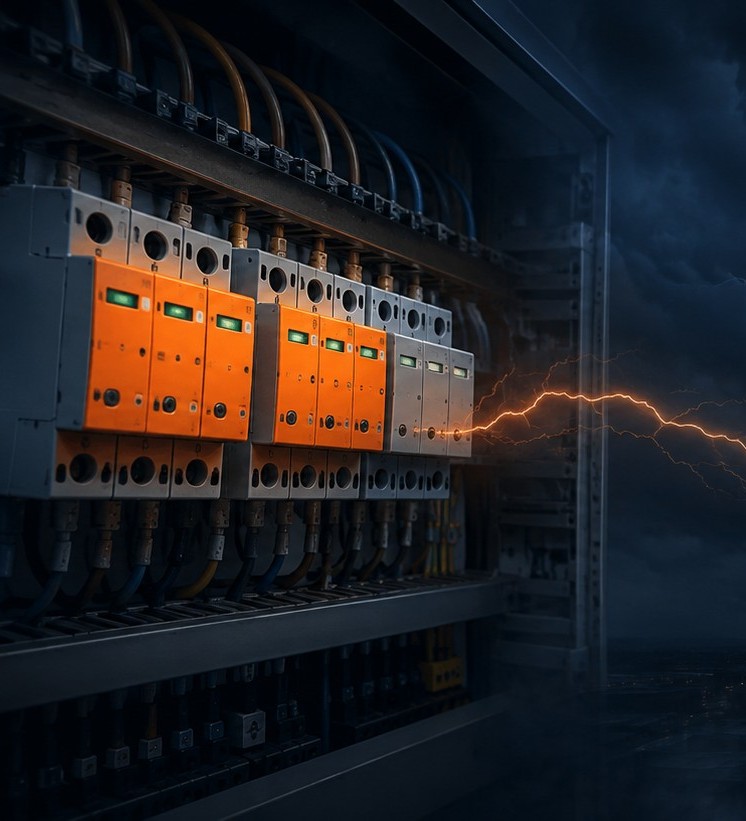
    Meanwhile, the SPD limits the surge voltage induced in the installation, so equipment isn't damaged.

Not Sure Which Solution You Need?

YILKOMER ACADEMY

FIELD EXPERIENCE, SHARED IN THE CLASSROOM

Lightning protection cannot be solved with a single product. Every step — from risk assessment and material selection to installation details and periodic testing — is interconnected, and every decision affects the performance of the system as a whole.

Yılkomer Academy was established to share our nearly four decades of field experience with project engineers, contracting companies, facility teams, and occupational safety professionals. Our programs are built around the TS EN / IEC 62305 series, with content shaped by lessons learned from our own projects.

Why Yılkomer?

SEE THE DIFFERENCE IN PRACTICE

Standards Compliance & Continuity

Standards-Compliant Design

Every project starts with a TS EN / IEC 62305 risk assessment. The protection level is determined by calculation, not estimation.

Global Brand Quality

We source products from leading global manufacturers, including Raycap.

End-to-End Responsibility

Design, supply, installation, and testing under one roof. Responsibility stays with one team, making the process faster and more efficient.

Verified Handover

The system is not handed over until grounding resistance and continuity measurements have been completed and documented.

GET IN TOUCH

LIGHTNING PROTECTION RELIABLE SOLUTIONS

FAQ

Frequently Asked Questions

For more information, get in touch with us.

ALL QUESTIONS

Yes. A lightning rod (external lightning protection system) captures the lightning strike and safely conducts it to ground. However, this process can induce high transient voltages in the electrical installation, which can cause significant damage to electronic equipment. A surge protection device (SPD) protects against these induced overvoltages. The two are not alternatives to each other; they are complementary protection measures.

A lightning protection system is not a set-it-and-forget-it investment. Grounding resistance varies with soil moisture, connections can deteriorate due to corrosion, and SPDs have a limited service life. Periodic testing and inspection are therefore essential to ensure the system continues to provide effective protection. We can determine the appropriate inspection interval based on the type of your facility.

First, the required protection type must be determined: Type 1 is designed to carry direct lightning current, Type 2 limits induced overvoltages, and Type 3 provides final-stage protection for sensitive equipment. The system voltage (Uc), discharge capacity (In/Imax), voltage protection level (Up), and short-circuit withstand capability should then be evaluated. An incorrectly selected SPD may not only fail to provide adequate protection but can also create a risk for the installation.

The required level of lightning protection is determined not by estimation, but through a risk assessment carried out in accordance with TS EN / IEC 62305-2. The assessment considers factors such as the building’s location and dimensions, roof and wall materials, occupancy and equipment density, and the local lightning density. The result determines the appropriate Lightning Protection Level (LPL I–IV) for the structure.

Blog

Latest Posts