1- Insulation failure
2- Neutral conductor disconnection
3- Occurrence of resonance
4- Tap changer failures
On the other hand, switching operations in energy transmission or distribution systems and sudden changes in the grid also constitute sources of overvoltage. These voltage causes can be classified as;
1- Switching under load
2- Voltages generated by circuit breakers and switches
3- Unloaded lines and capacitor systems

Another important factor is, of course, lightning. Lightning does not need to strike the transformer system directly to cause damage. A lightning strike affects an area within a radius of approximately 2 km. This can lead to overvoltages and an increase in ground potential rise. In addition, lightning frequently strikes power transmission lines. The high voltage generated in such cases directly affects transformers and may even cause them to be taken out of service.
So, How Should Transformer Systems Be Protected Against Lightning and Overvoltage?
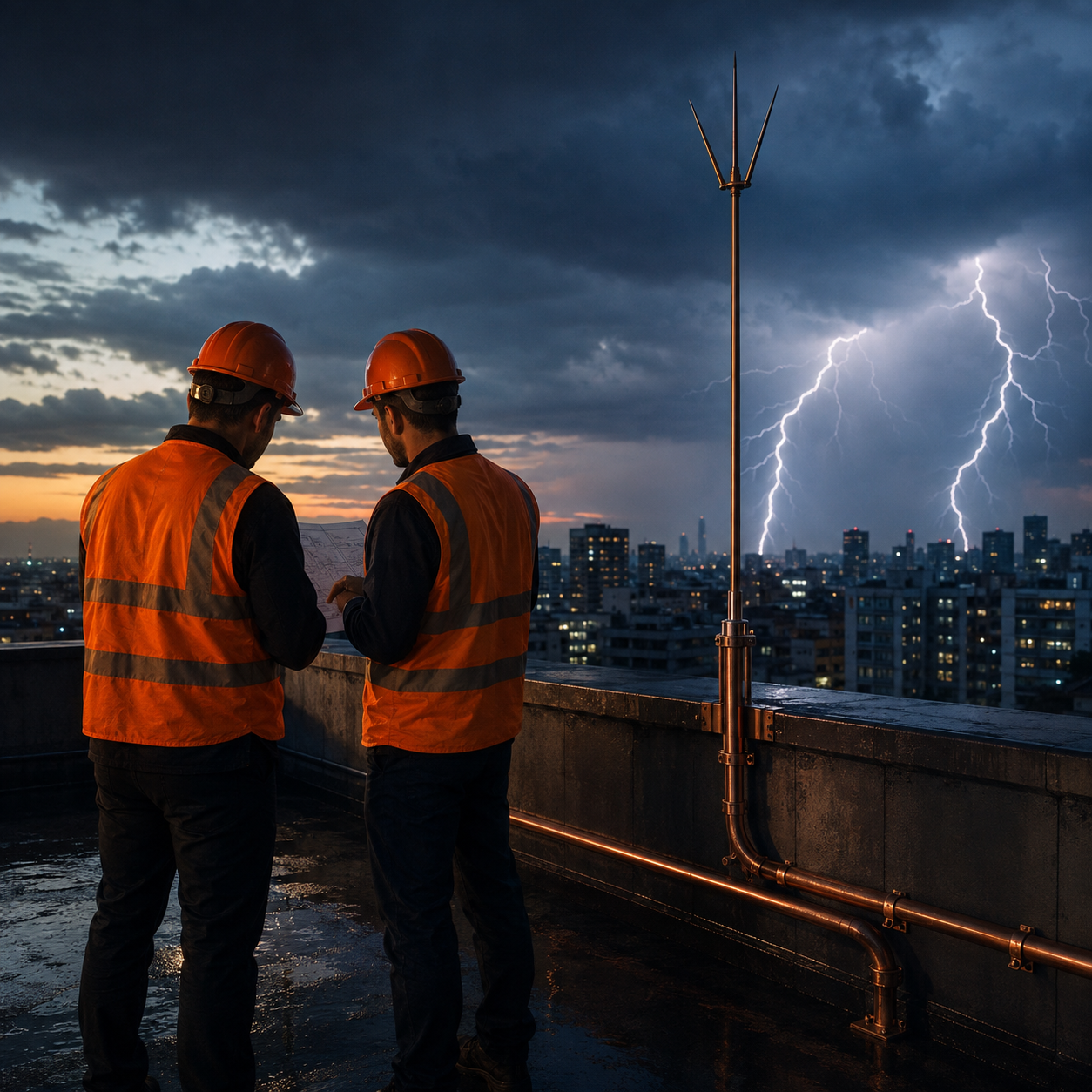
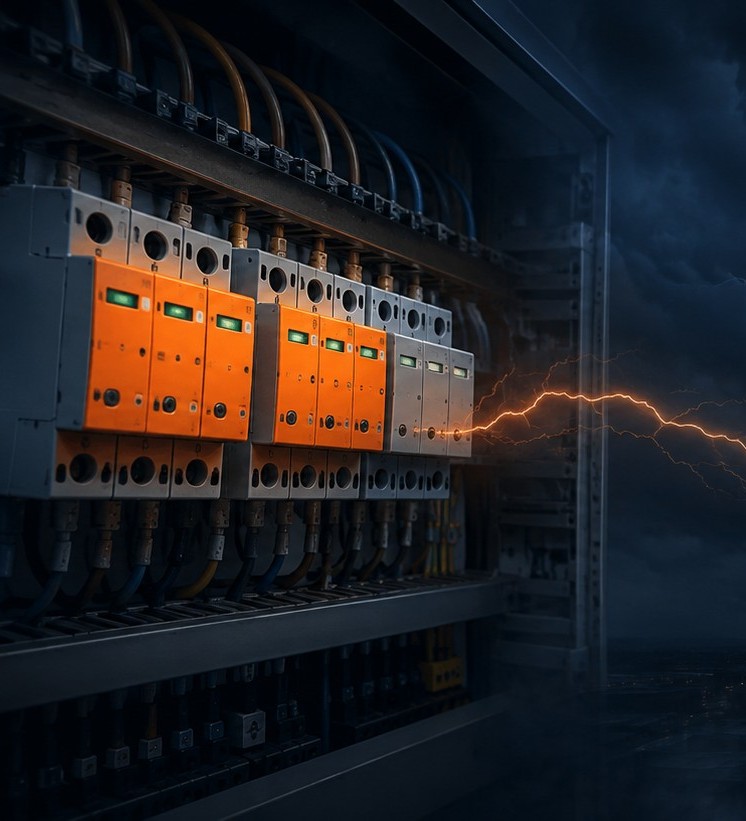
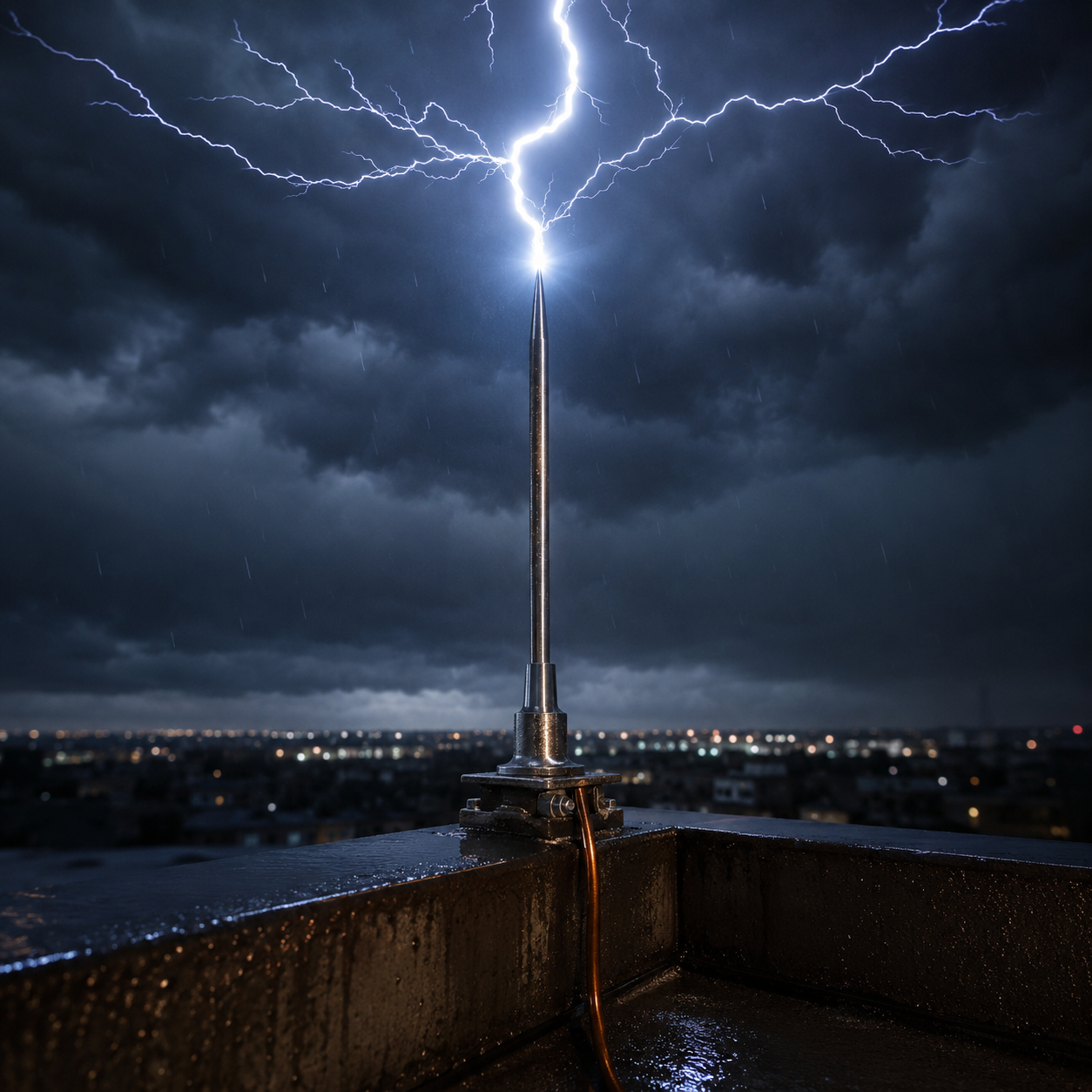
First of all, primary protection of transformer systems should be achieved by using external lightning protection systems. After performing a technical analysis of the system, the appropriate method (insulated conductor, Faraday cage, catenary wire method, mesh method) should be applied. However, external lightning protection systems alone cannot provide complete protection. To protect transformer systems and especially electronic equipment against fluctuations and sudden overvoltages, internal lightning protection surge arrester systems must be used.