You May Also Be Interested In Protection of Transformers Against Lightning and Overvoltage
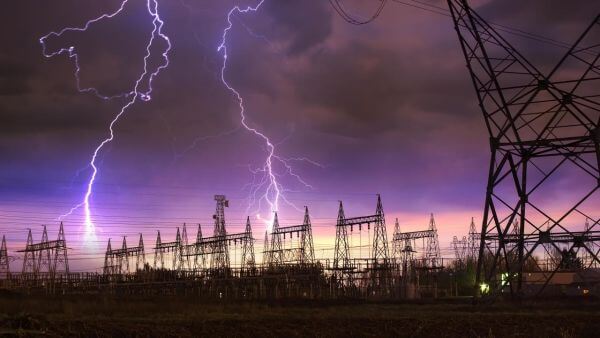
On the other hand, especially in rainy weather, lightning strikes on energy transmission lines may cause short circuits. This situation leads to damage and burnout of users’ devices. Therefore, energy transmission lines must be protected against such failures.
Do You Have Lightning Protection–Related Issues? Click for Free Technical Survey
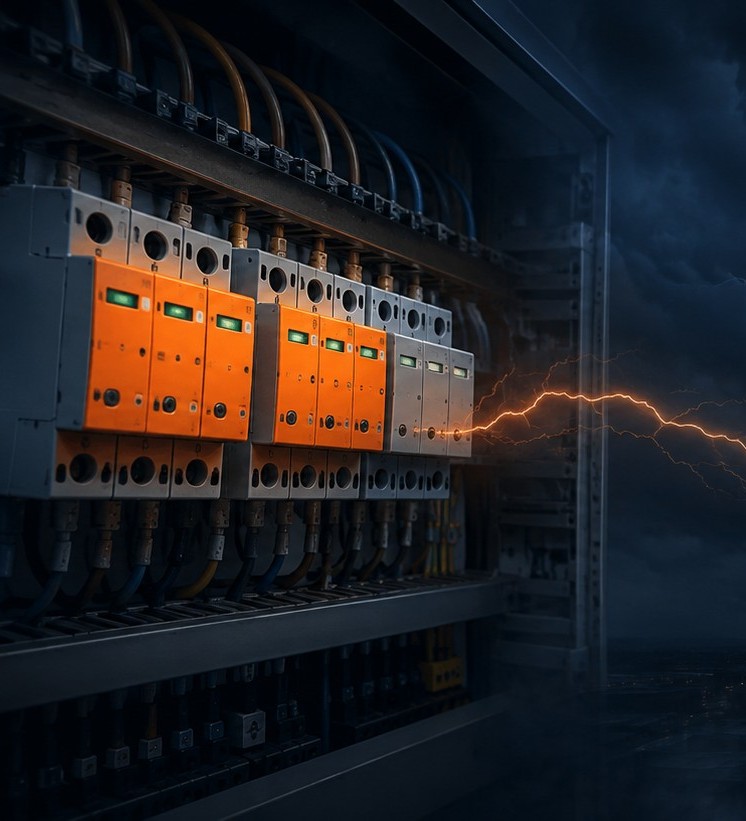
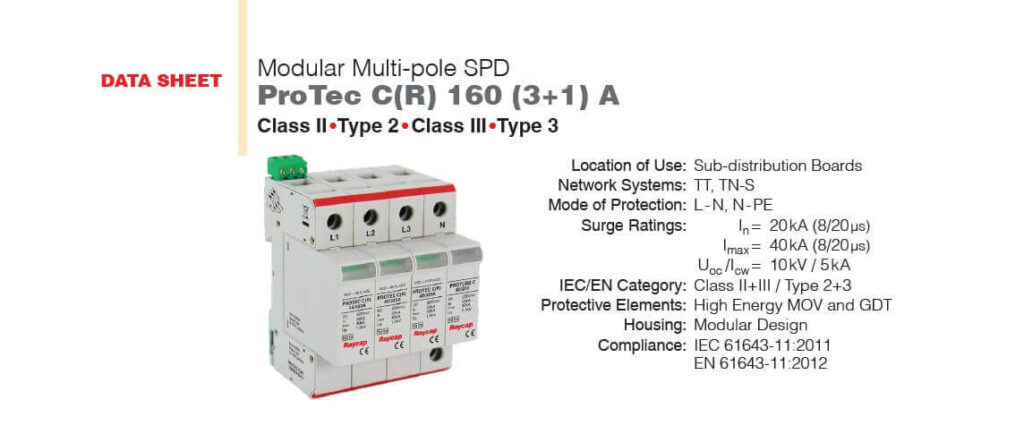
For energy transmission lines, internal lightning protection systems should primarily be considered. With surge arresters suitable for both medium and high voltage, precautions can be taken against lightning strikes, sudden overvoltages, and fault-related issues. Transformer substations, switchyards, and high-voltage cables are protected by determining appropriate voltage levels and using surge arrester systems.
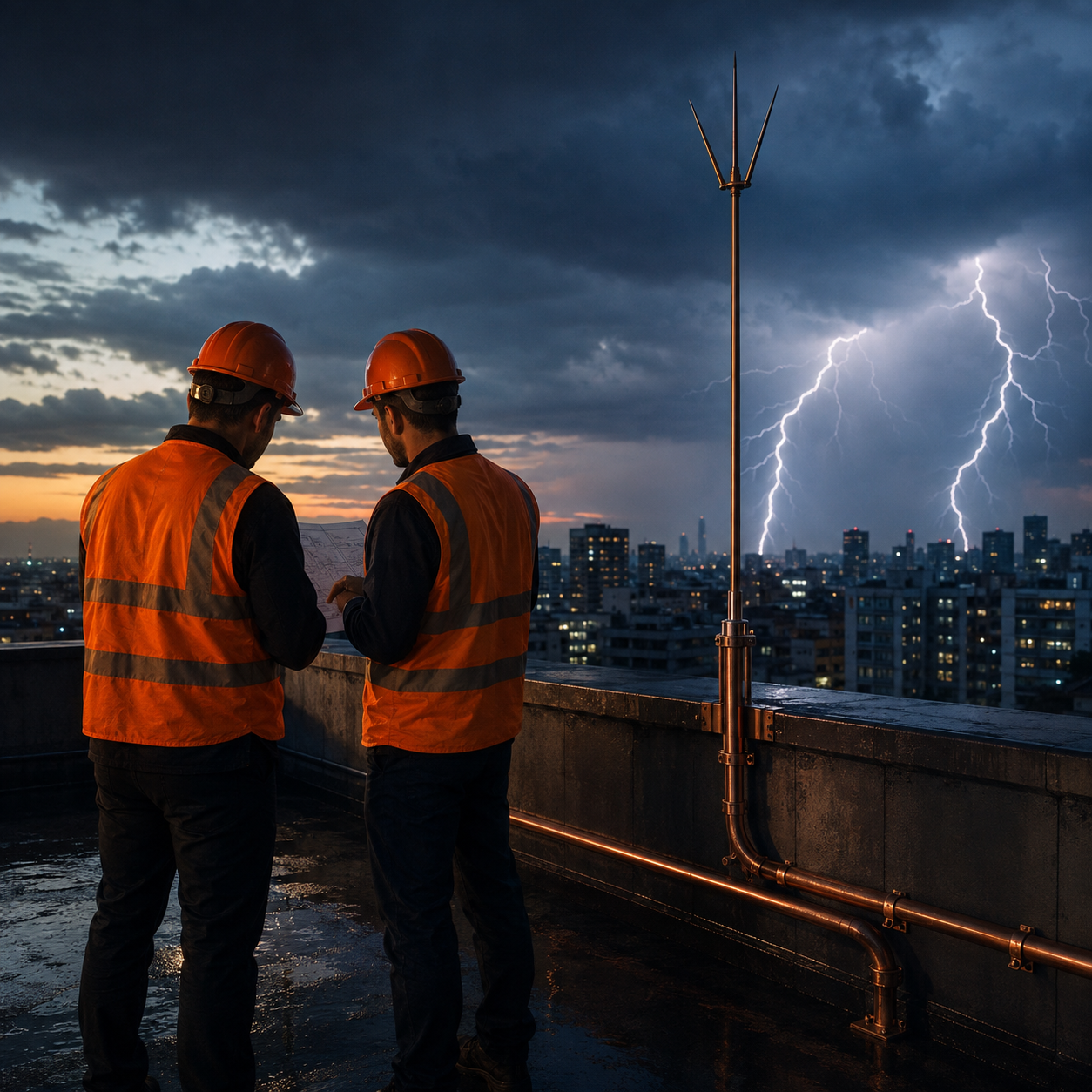
Another important system for protecting energy transmission and distribution lines against lightning is external lightning protection systems. Shield wires, Faraday cages (in transformer systems), or air terminals can be used. Shield wires may have a smaller cross-section than normal conductors; however, they must have sufficient mechanical strength to withstand lightning strikes without damage. In addition, shield wires should be grounded at every pole whenever possible. When steel poles are used, the pole body itself can serve as the down conductor without the need for a separate down conductor.