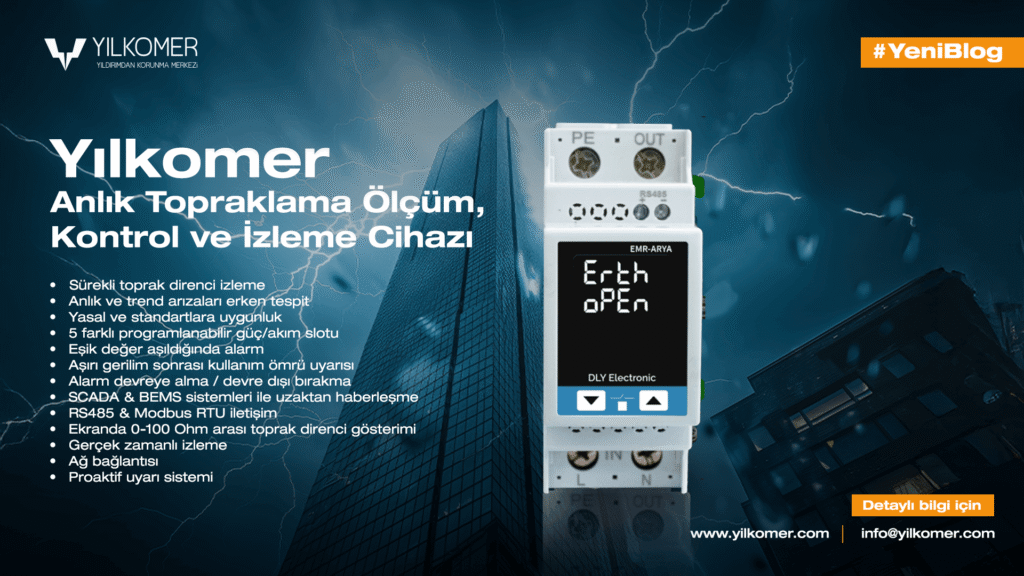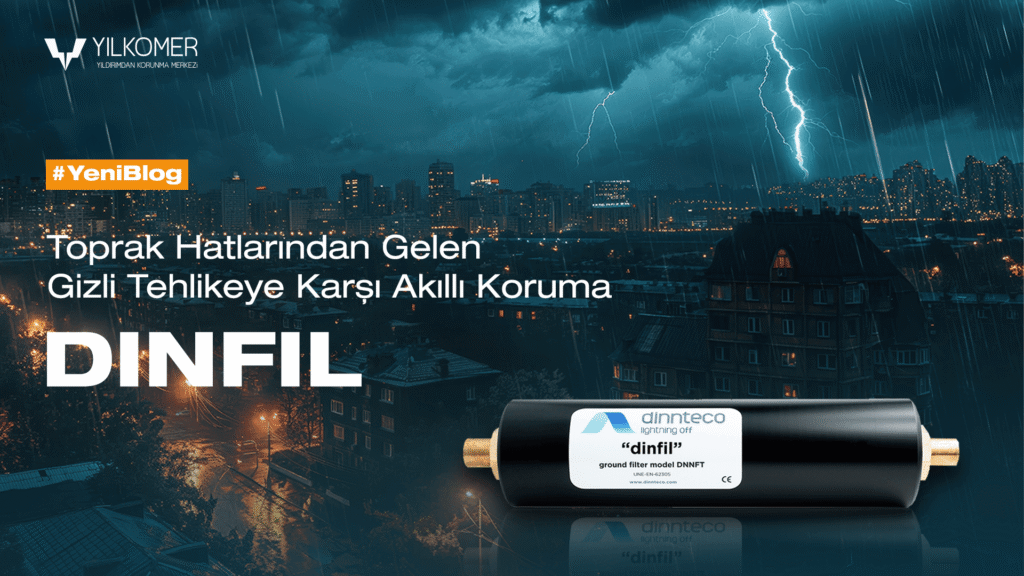
A proper grounding system must exist in the facility. Therefore, “In every building and facility, the Main Protective Conductor, Main Grounding Conductor to the building perimeter/foundation, Main Grounding Connection End, and External Conductive Parts (metal pipes of supply systems inside the building such as gas and water, main metal reinforcements in structural concrete, steel-frame structures, central heating and air conditioning systems, rail system grounding, communication system grounding, antenna grounding conductors, surge protection device grounding conductors, Functional Grounding for devices, Lightning Protection System Grounding, Overvoltage and Current Circuits, etc.) must be connected to the main equipotential bonding system.
What Are the Advantages of Using Internal Lightning Protection (Surge Arresters) Systems?
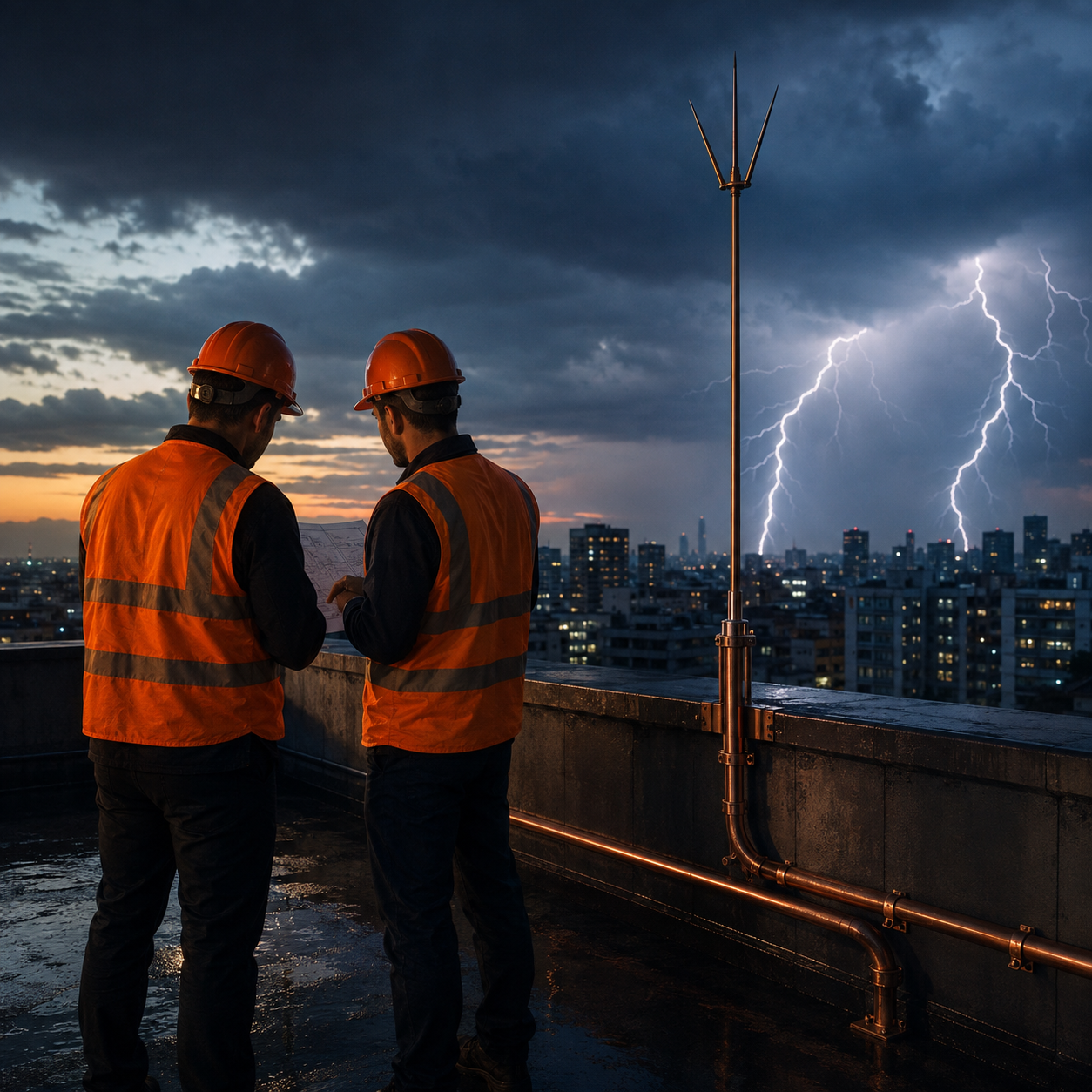
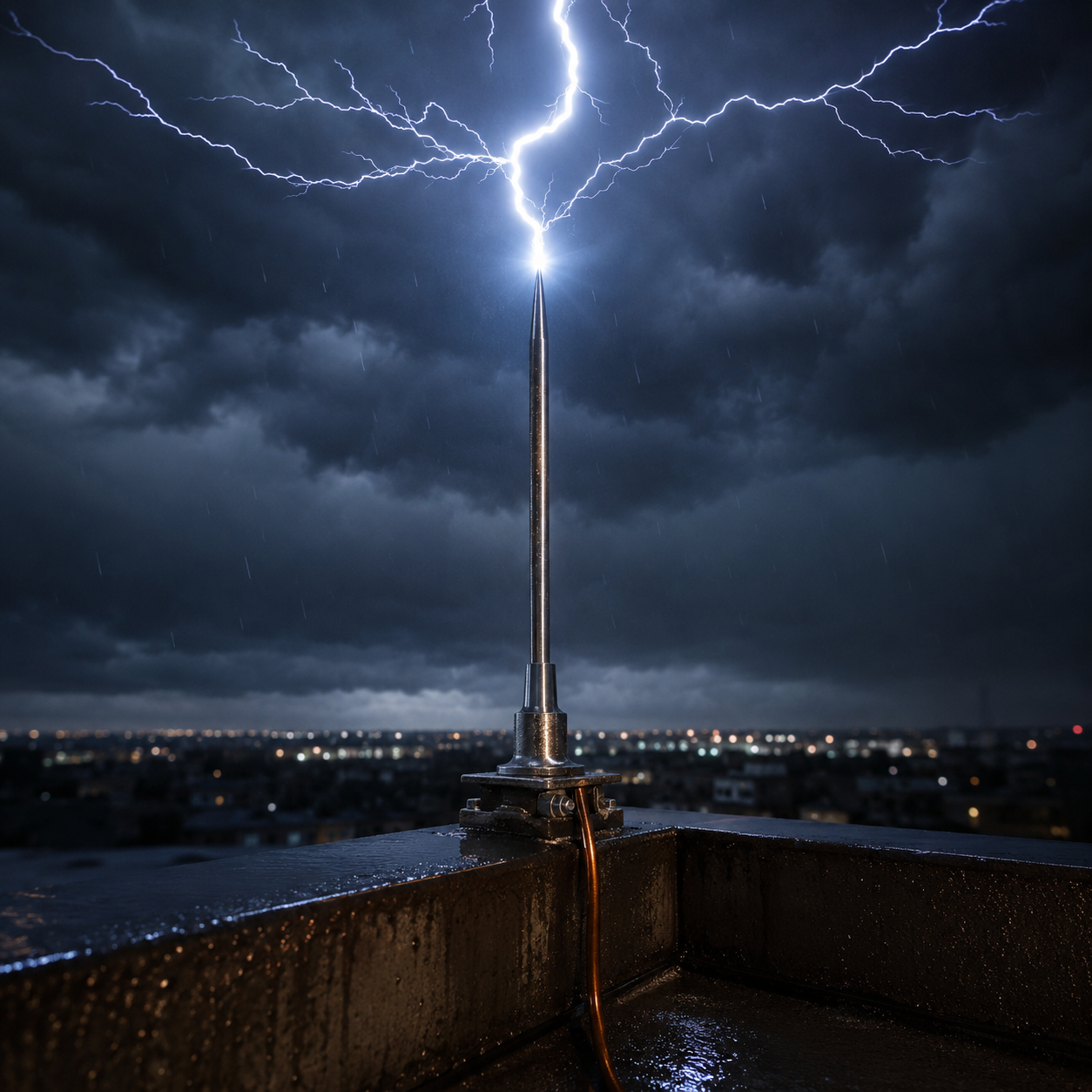
Having a Faraday Cage or lightning rod in a building only protects living beings from electrical discharges and prevents fire risks in the building. If a building has an external lightning protection system, it must also have an internal lightning protection system. Grounding must also be integrated with these essential elements. All three work together in an integrated manner. Equipotential bonding should also be included. Buildings with all four correctly designed systems are highly protected against lightning and surges. It is assumed that the average lightning current is 200 kA. Of this, 100 kA goes to the ground; 100 kA returns from the ground to the system. The returning 100 kA moves toward the lowest resistance point due to equipotential differences and coupling effects. If there is no internal lightning protection at that point, it starts to damage devices.

- Lightning and overvoltage protection should be implemented as an integrated system.
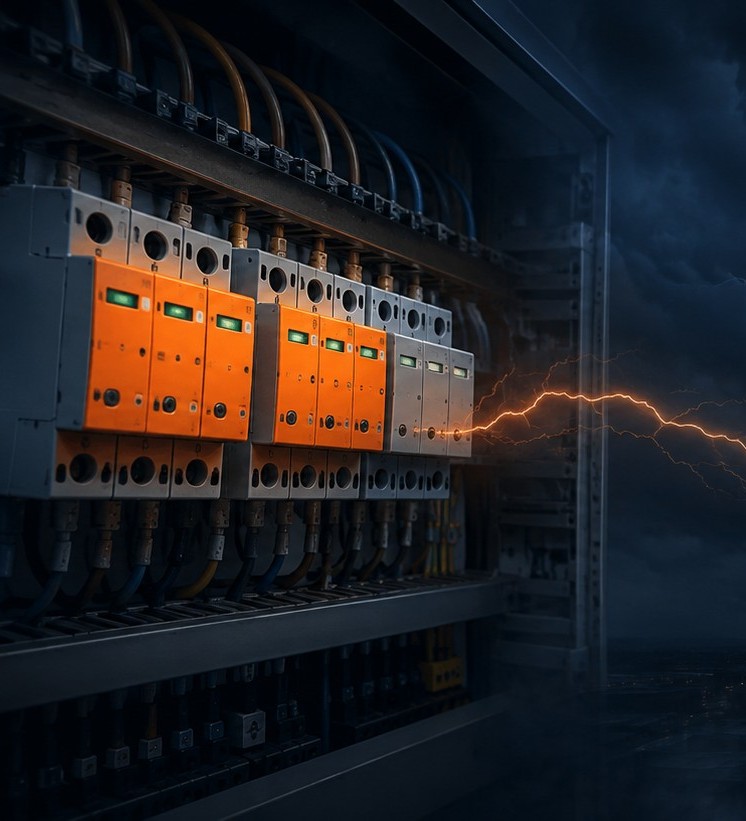
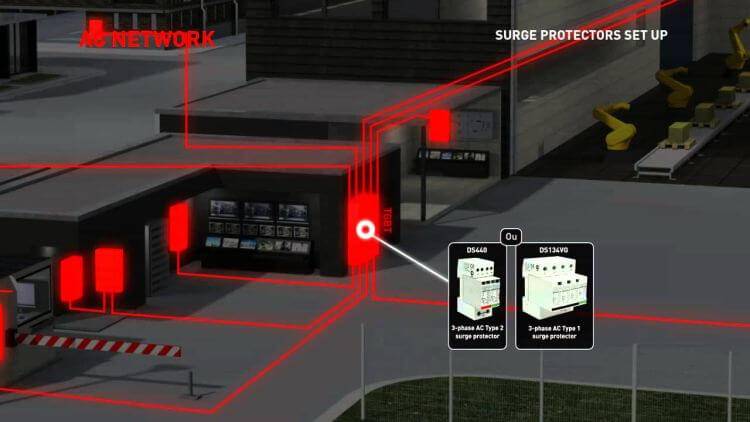
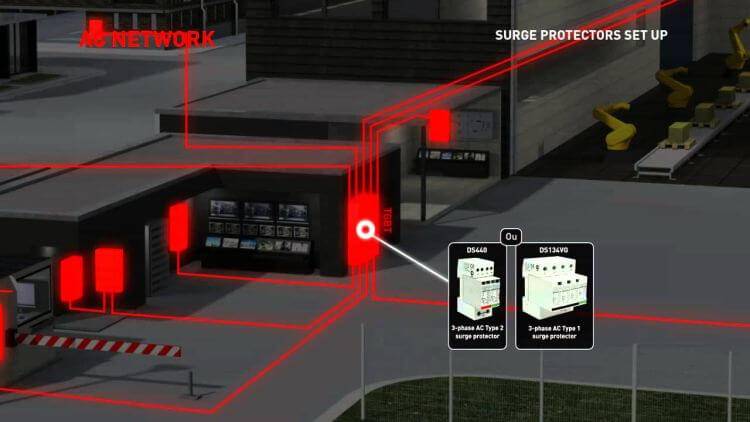
Installed systems, when a strike hits the lightning rod or Faraday Cage, electrically redirect the strike, and gradually eliminate it before reaching the main and sub-panels and sensitive devices, preventing damage to electronic systems. Without internal lightning protection, serious panel fires can occur beyond electronic damage. The purpose of internal lightning protection systems is to transfer the incoming strike to the ground through themselves.