Sites Experiencing Chronic Lightning Problems:
*GSM Towers
*Telecommunication Towers
*Wind Power Plants
*Transmitters
*Radars
*Communication Towers
*Military Observation Systems
*Cable Car Systems
*Forest Watch Towers
*TV and Radio Antennas
*Solar Power Plants Located at High Altitudes
*Public Communication Towers such as Jemus, 112
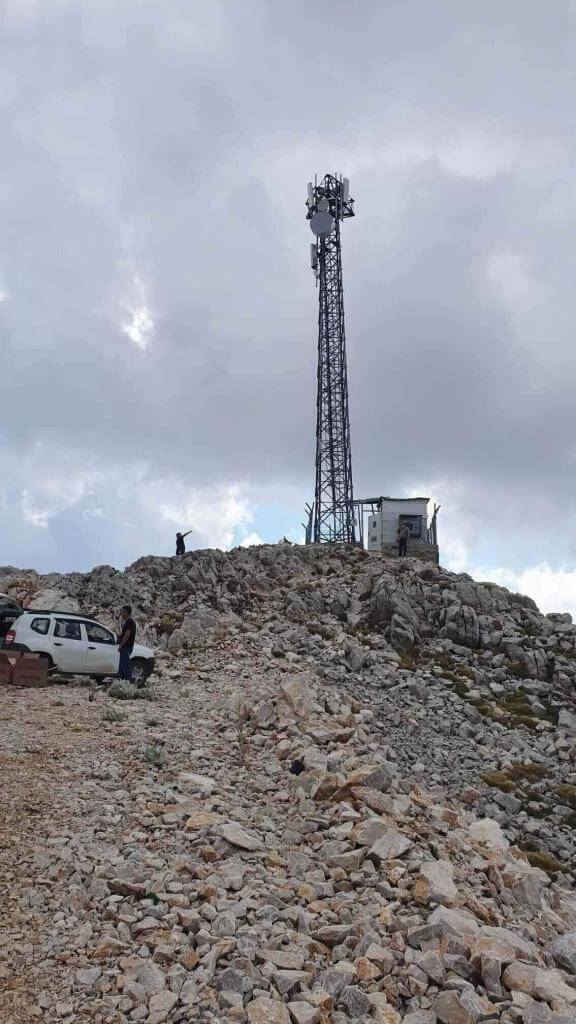
Due to their locations, these sites are generally positioned at the highest points in mountainous areas. Being almost inside the clouds, these sites experience serious problems when lightning strikes affect the systems directly or indirectly. Even if lightning does not strike the tower directly, a strike occurring within a 2 km radius of the tower or on a neighboring tower can still damage all systems located at the site. Because these sites are of critical importance and are required to operate 24/7, intervention is necessary after every lightning strike to restore the site. However, even during a normal summer season, accessing these sites is extremely difficult; under winter conditions, reaching them is often even more challenging. In many cases, sector professionals climb thousands of meters on foot to repair faults caused by lightning. This creates a vicious cycle, as the same location can be damaged again by lightning the very next day. For this reason, facilities located at altitudes of 2000 meters and above—where access is difficult and which are of strategic importance—must be protected against lightning with correct, professional, and definitive solutions.
For example, as a result of a lightning strike, a GSM tower may suffer damage at many points, including the generator, rectifier, batteries, DC and AC power lines, and coaxial lines. GSM operators allocate significant budgets to lightning damage, both for system replacement and for field operation costs. Customer dissatisfaction and system disruptions can also lead to a loss of trust.
What Is the Solution for Facilities with Chronic Lightning Exposure?
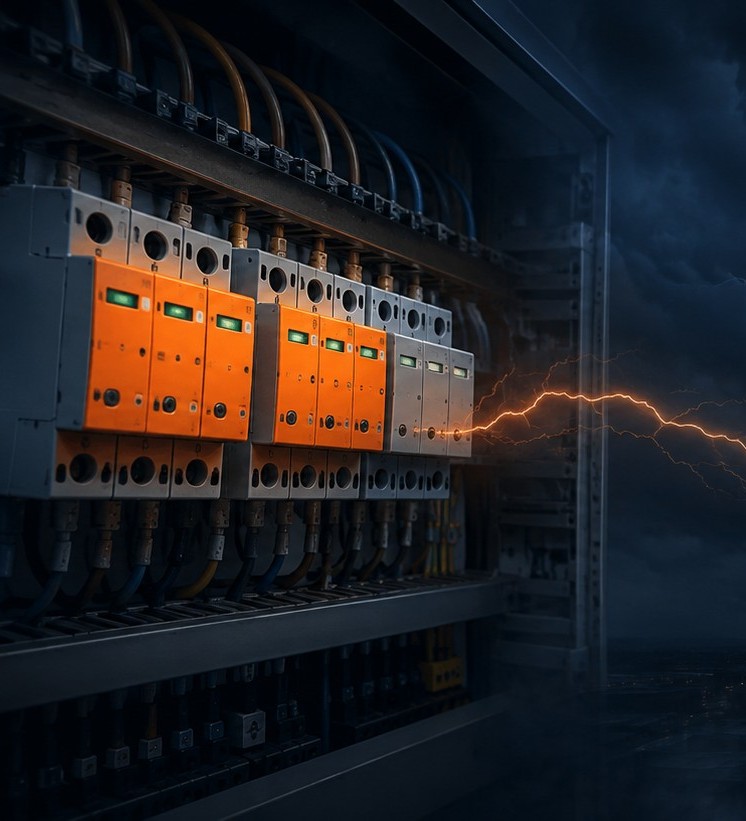
According to IEC standards, low-voltage surge arresters, grounding, external lightning protection, and equipotential bonding must be implemented in all facilities. However, the technologies and systems used must be appropriate for the specific characteristics of the facility. Panel-type DIN rail low-voltage surge arresters that have been used for years are INEFFECTIVE in facilities where lightning intensity and frequency have increased. Conventional surge arresters, which provide a limited number of protections with a maximum capacity of 100 kA, become ineffective under 200 kA and thousands of repeated strikes and may even explode, creating a fire risk. Every year, millions of Turkish liras are invested in these products with the hope of protection. Additionally, conventional surge arresters require very good grounding and become ineffective on rocky and mountainous terrain. Classic low-voltage surge arresters are necessary and important for many applications; however, in facilities exposed to strikes above 100 kA and serial discharges, they are inherently insufficient according to their standards.
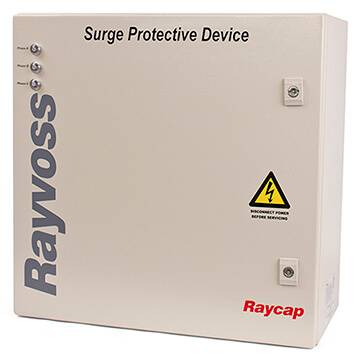
For facilities above 2000 m altitude suffering from chronic lightning damage, the Raycap Rayvoss system is the definitive solution!
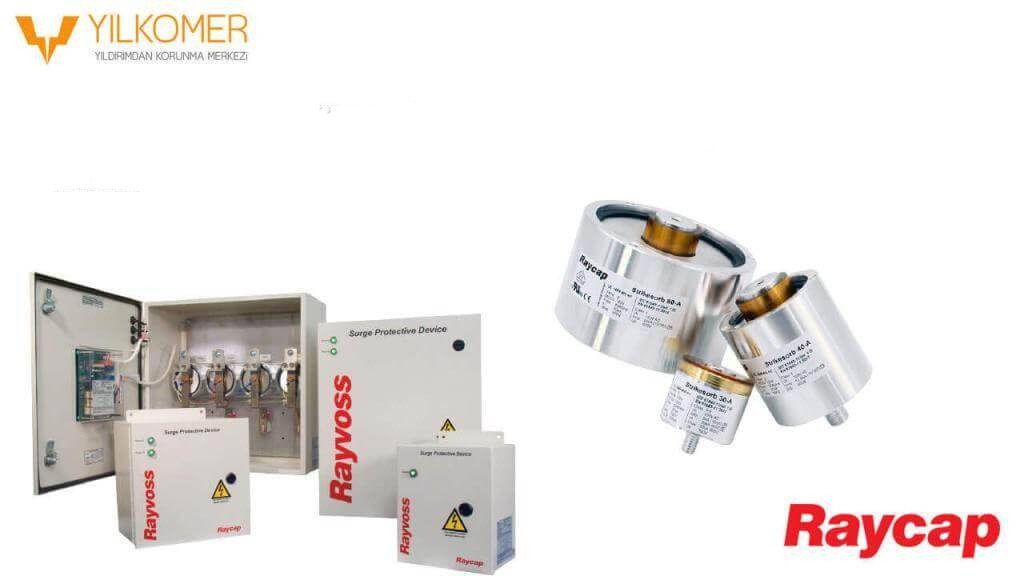
Compared to conventional surge arresters, the Rayvoss system—equipped with Raycap Strikesorb technology—provides four times more protection, activates 100 times faster, absorbs the surge within 1 ns, offers unlimited protection cycles, comes with a 10-year warranty, and has a 20-year service life. As Yilkomer, we protect systems at many sites. Beyond Raycap’s global references, we have achieved definitive solutions against lightning strikes with the RAYCAP RAYVOSS system at the most critical facilities across our country. Our goal is not merely to sell products, but to provide solutions through our expertise and to genuinely solve your problems. We sincerely state that the only permanent solution to prevent the negative effects of lightning risk is the Raycap Rayvoss system.
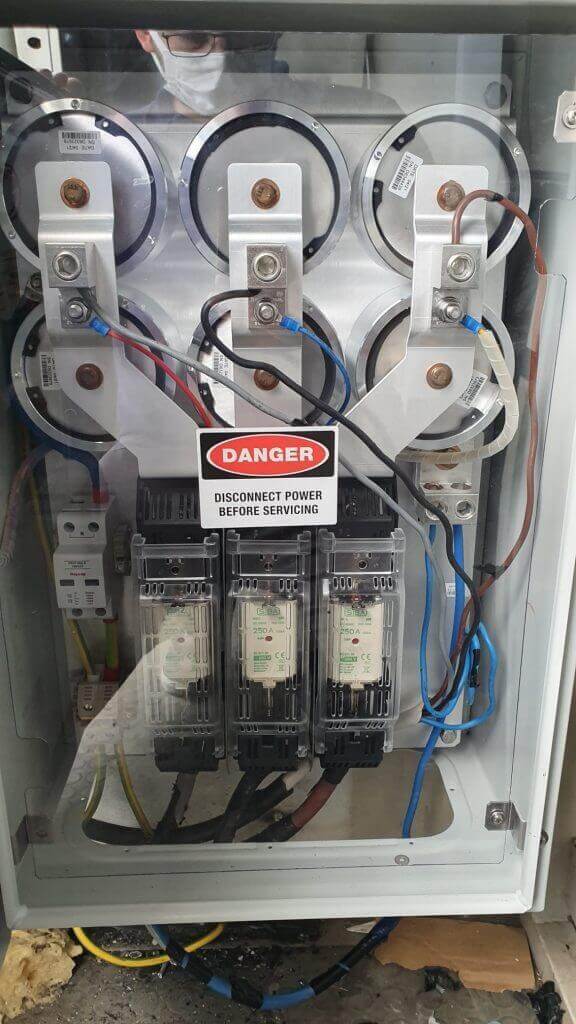
The Raycap Strikesorb system includes many different protection products. In general, a tower is protected at multiple points, including the transformer, main distribution board, generator input and output, DC busbars, communication lines, and coaxial lines. For a single facility, protection is implemented at 7–8 different points using the Strikesorb system. It is sufficient to connect the Rayvoss system to grounding; a low resistance value is not mandatory. This eliminates the need for additional grounding investment at the facility. With correct product selection and proper installation, it is possible to protect the facility definitively. The Strikesorb technology, offering both in-line and parallel connection options, leaves no alternative path for the surge, especially in series connections.
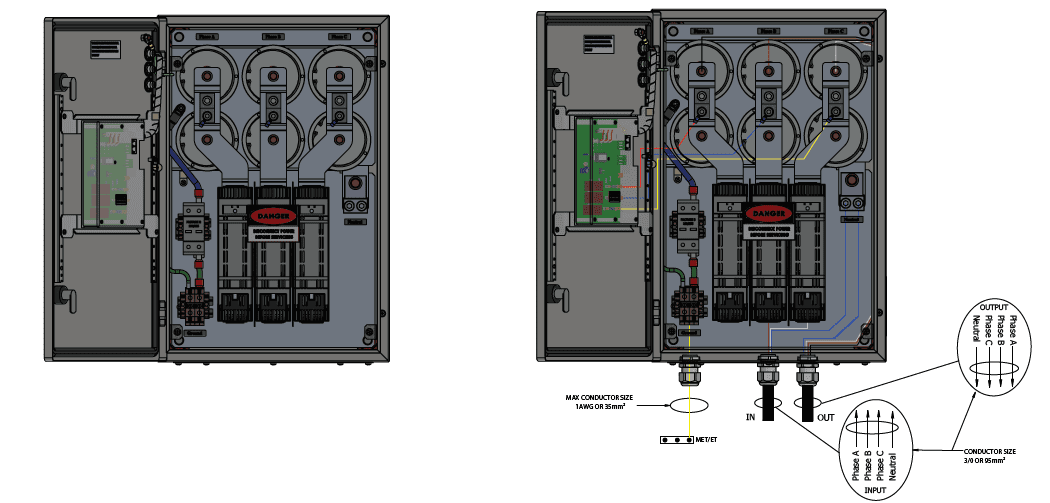
For the Rayvoss system to operate correctly, an EQUIPOTENTIAL bonding system must be present at the facility. The selection of appropriate Strikesorb technology products for protecting generators, main panels, and DC lines depends on an accurate site survey. Therefore, a preliminary survey, product selection, and implementation steps must be carried out by experts.
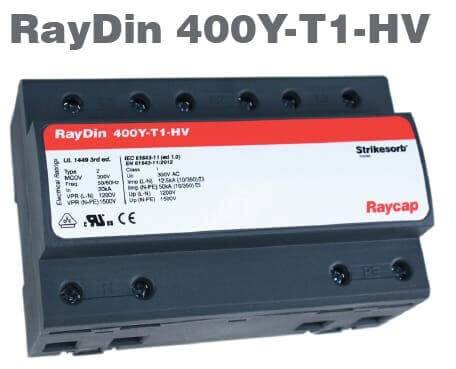
In addition to protecting electrical systems with the Raycap Rayvoss system, a proper equipotential bonding system and grounding connections must be in place, as stated above.
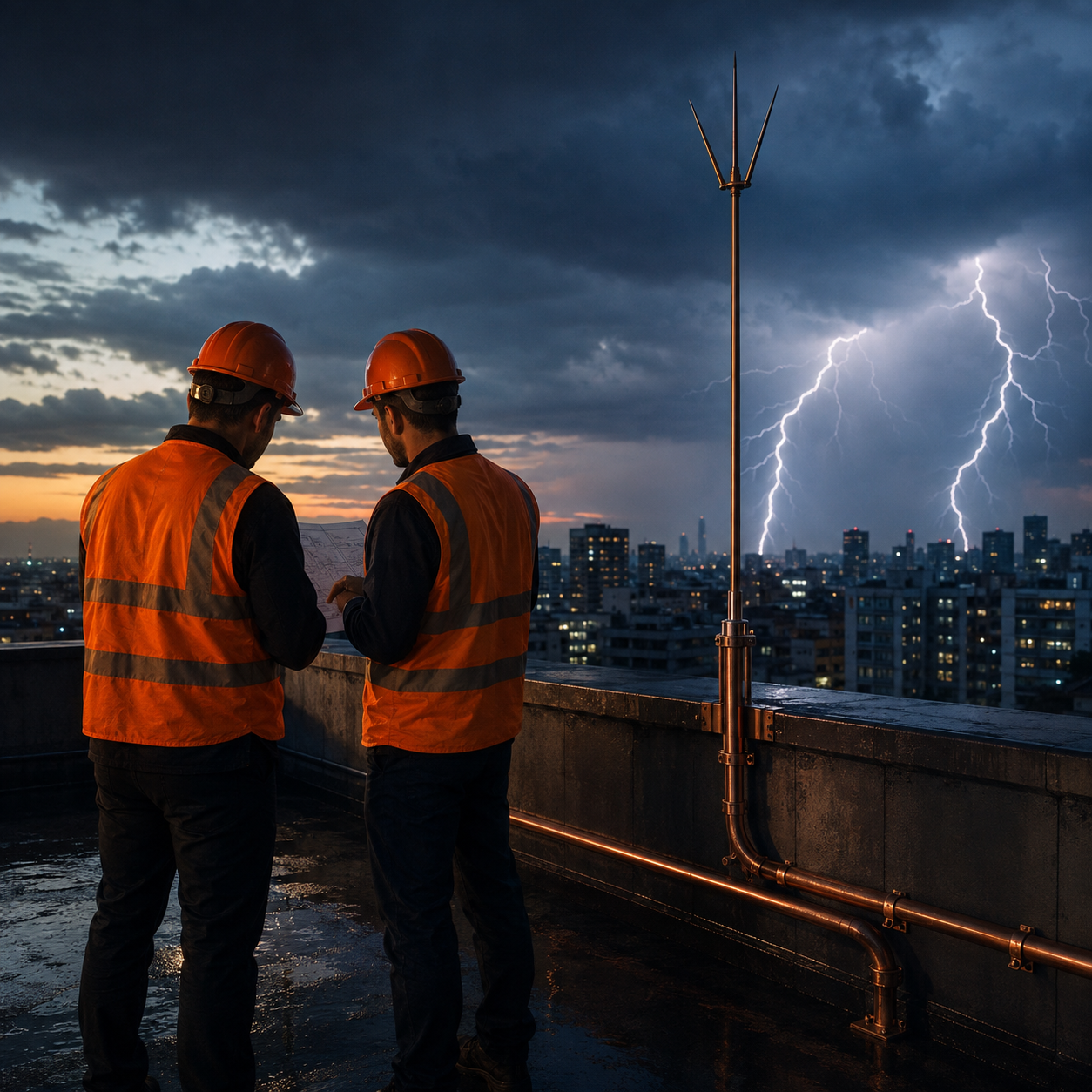
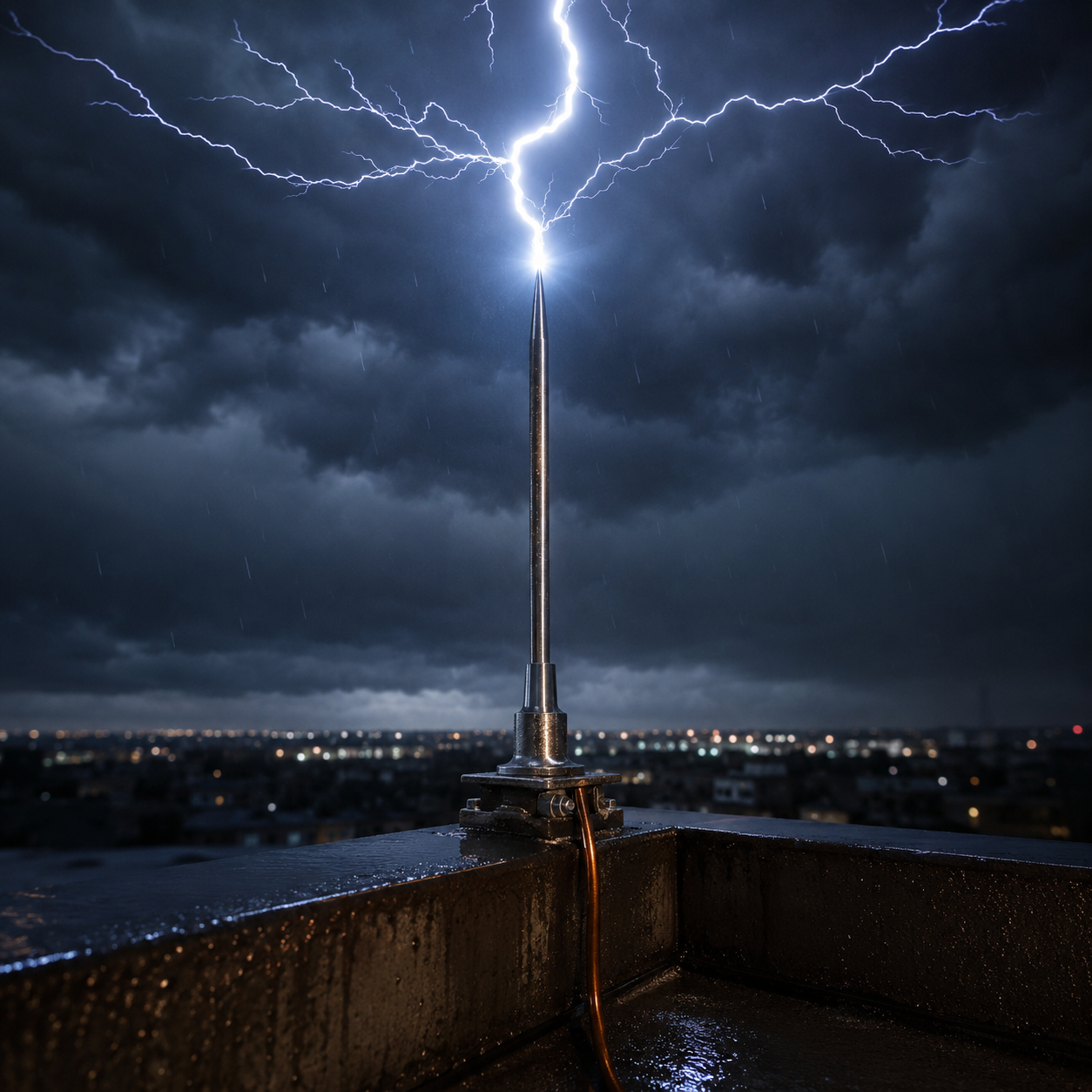
Another important detail for us is the external lightning protection of towers and facilities. In these areas, especially on metal towers, lightning down conductors must DEFINITELY be INSULATED. Isolating the surge from the tower is critically important, and this can only be achieved with INSULATED PASSIVE AIR TERMINALS. With an external lightning protection system designed using insulated air terminals, insulated down conductors, anti-corrosive connection components, and spark gap suppressors, the surge can be discharged to ground by damping it without exposing the facility. The surge, which is divided into parts within the equipotential system, can then be easily suppressed by the Strikesorb system. At this point, Yilkomer commits to providing the safest lightning protection system using GROMTOR-branded insulated air terminals, insulated lightning down conductors, and connection components.
Lightning protection design and product selection involve highly sensitive details that cannot be fully covered in this technical article. Therefore, site-specific surveys and designs are extremely important. Yilkomer has both Strikesorb and insulated systems in its product range and protects facilities with its own expert teams after the survey. For questions and detailed information requests, you can contact us at info@yilkomer.com.
Remember, Yilkomer “Protects Your Values”!