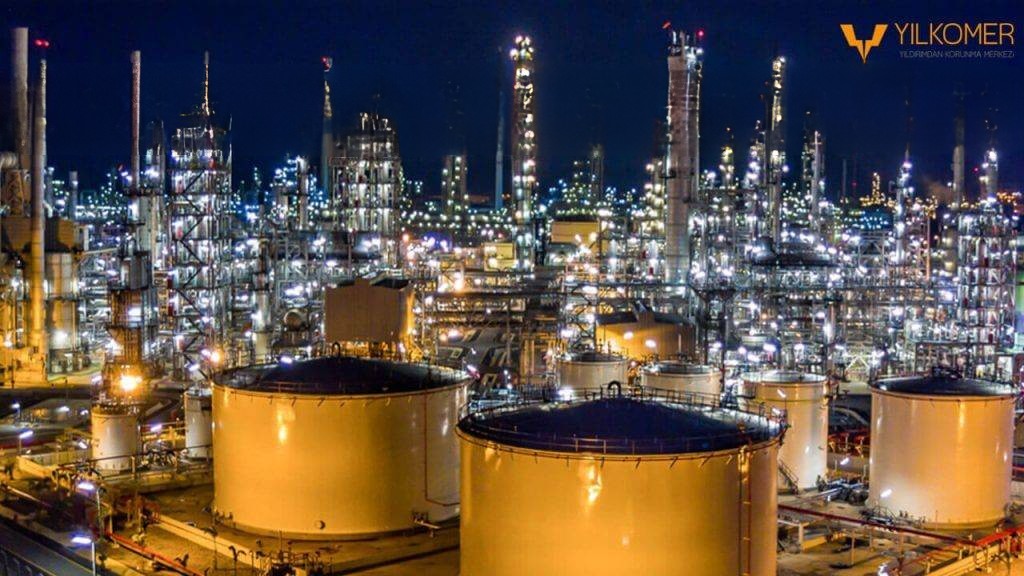
Seveso is actually a small town near Milan, Italy. In 1976, a major accident occurred at the ICMESA Chemical Factory located next to the town, and as a result of this accident, a leakage of dioxin gas, which is highly toxic, occurred. After this incident, SEVESO Directives were published and accepted nationwide in order to prevent similar accidents in Industrial Facilities and to eliminate all necessary risks.
In our country, SEVESO directives became mandatory with the “Regulation on the Prevention of Major Industrial Accidents and the Reduction of Their Effects” published by the Ministry of Environment and Urbanization and the Ministry of Labor and Social Security, in the Official Gazette dated December 30, 2013 and numbered 28867.
When we consider lightning protection within the scope of the Seveso directives, lightning strikes are among the most important risks in chemical facilities containing flammable and explosive substances in terms of explosion and fire. The lightning risk has increased tenfold in our country in the last 3 years; with the concept of supercells, thousands of lightning strikes can hit facilities and their surroundings within one hour.
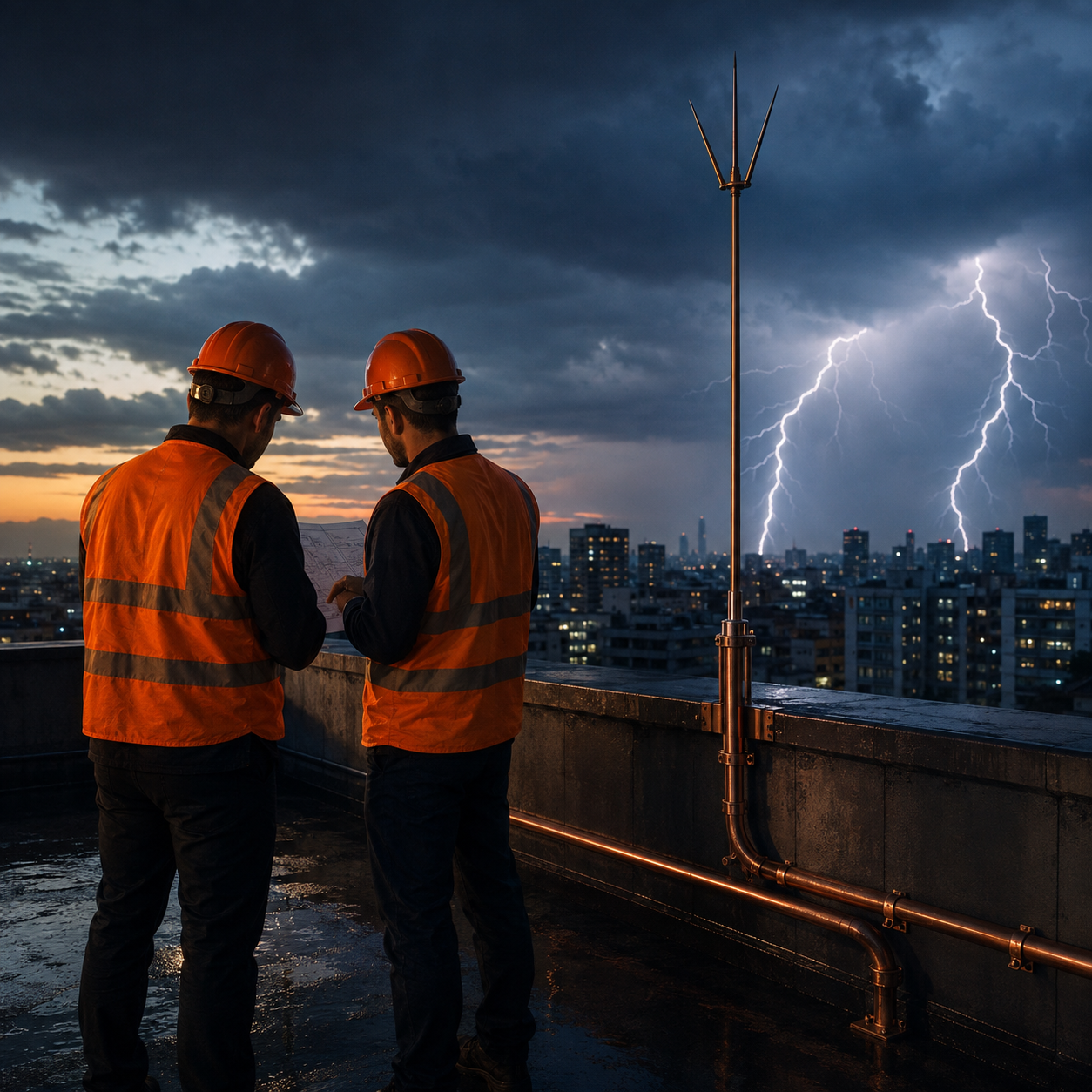
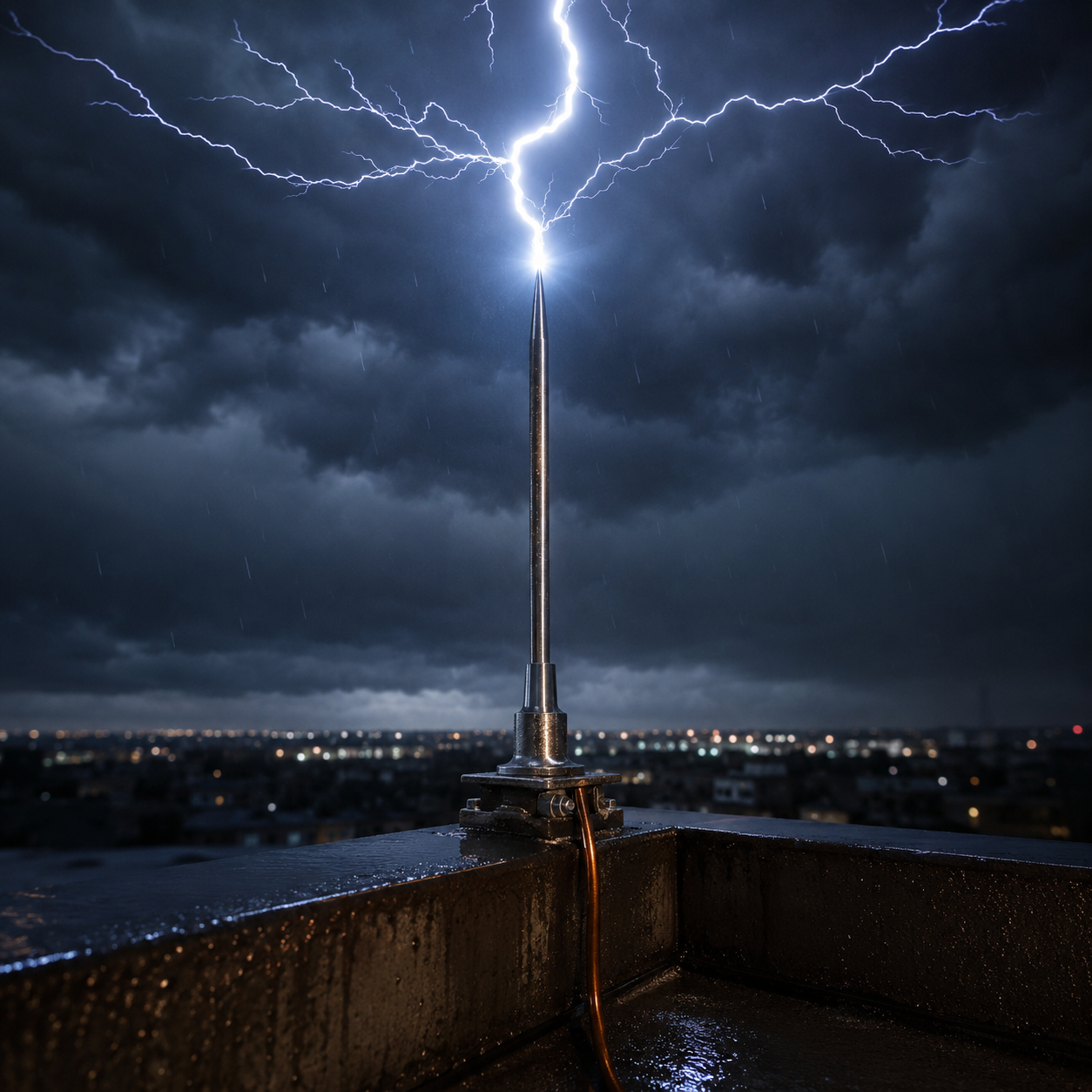
Within the scope of the Seveso directives, the use of active lightning rods in facilities is not appropriate. In accordance with the IEC 62305 standard, it is mandatory to use insulated lightning protection systems designed to completely isolate the impulse.
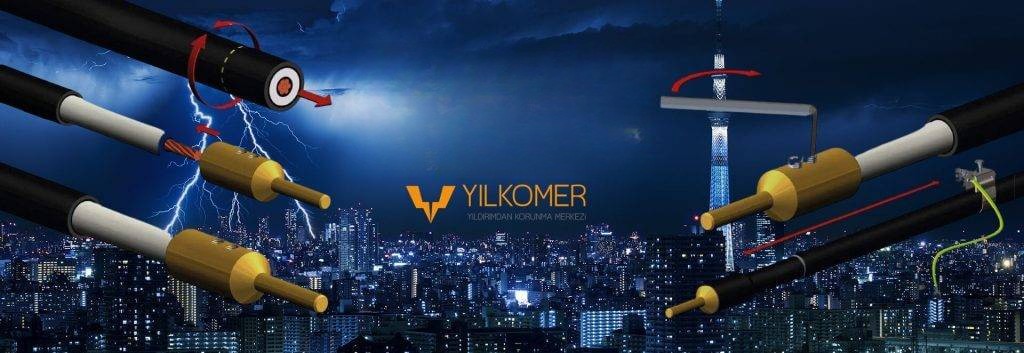
While a lightning strike can reach temperatures of 28,000°C and peak values of 200 kA, the extent of the damage it can cause to a flammable point within nanoseconds is extremely high. Within this scope, facilities must be protected with designs compliant with the IEC 62305 standard, such as the rolling sphere method and the protection angle method. Lightning interception air terminals providing lightning protection must be insulated; insulated down conductors must be fully insulated and have ex-proof properties. Otherwise, a possible strike will travel directly through the entire facility. Unfortunately, even on very high-risk tanks in our country, there are active lightning rod systems, and the down conductors descend by touching metal surfaces. Active lightning rods increase the risk further by ionizing and attracting the lightning strike to the relevant point.

Within the scope of the SEVESO III directives, it is first necessary to carry out a risk analysis in your facility regarding lightning protection. As a result of the lightning risk analysis, risky areas must be protected with a correct design by expert engineers. You can find many technical articles on this subject on the Yılkomer blog site.

As Yılkomer, we provide lightning protection design and implementation services in accordance with the IEC 62305 standard for high-risk facilities trying to comply with the SEVESO directives. Our sole goal is to completely eliminate the risk of explosion due to lightning with our products fully compatible with ex-proof environments. With the right engineering, correct site survey, correct risk analysis, correct product selection, correct application, and correct reporting steps, it is possible to protect your facility from all possible lightning risks.

For site surveys and detailed information, you can contact the Yılkomer support line or send an email to info@yilkomer.com.
Do not forget, Yılkomer Protects Your Values!