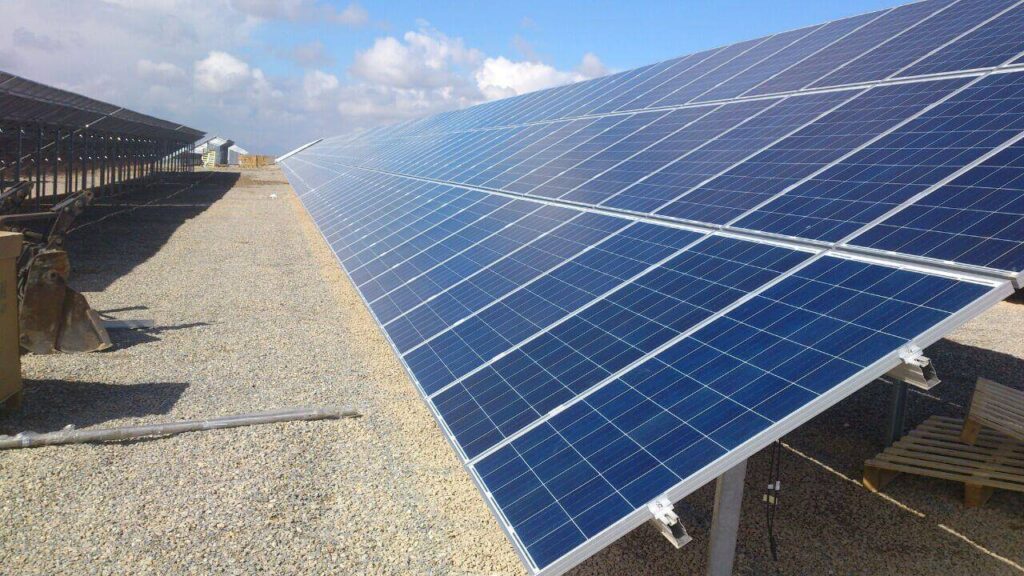
In recent years, the positive developments experienced in the solar energy sector have enabled investors to approach solar energy with increasing momentum. The Solar Sector, which is perhaps one of the most dynamic sectors, not only brings vitality to core component manufacturers such as inverters, panels, and constructions, but also accelerates secondary sectors in parallel. As the Lightning Protection Center, we make every effort to ensure that systems determined correctly and within standards for surge and lightning protection—areas in which we have expertise in the solar sector—are implemented without putting solar investments at risk. We have written this article to emphasize the fact that EPC companies protecting solar systems with so-called “memorized” solutions are actually putting investors at great risk.

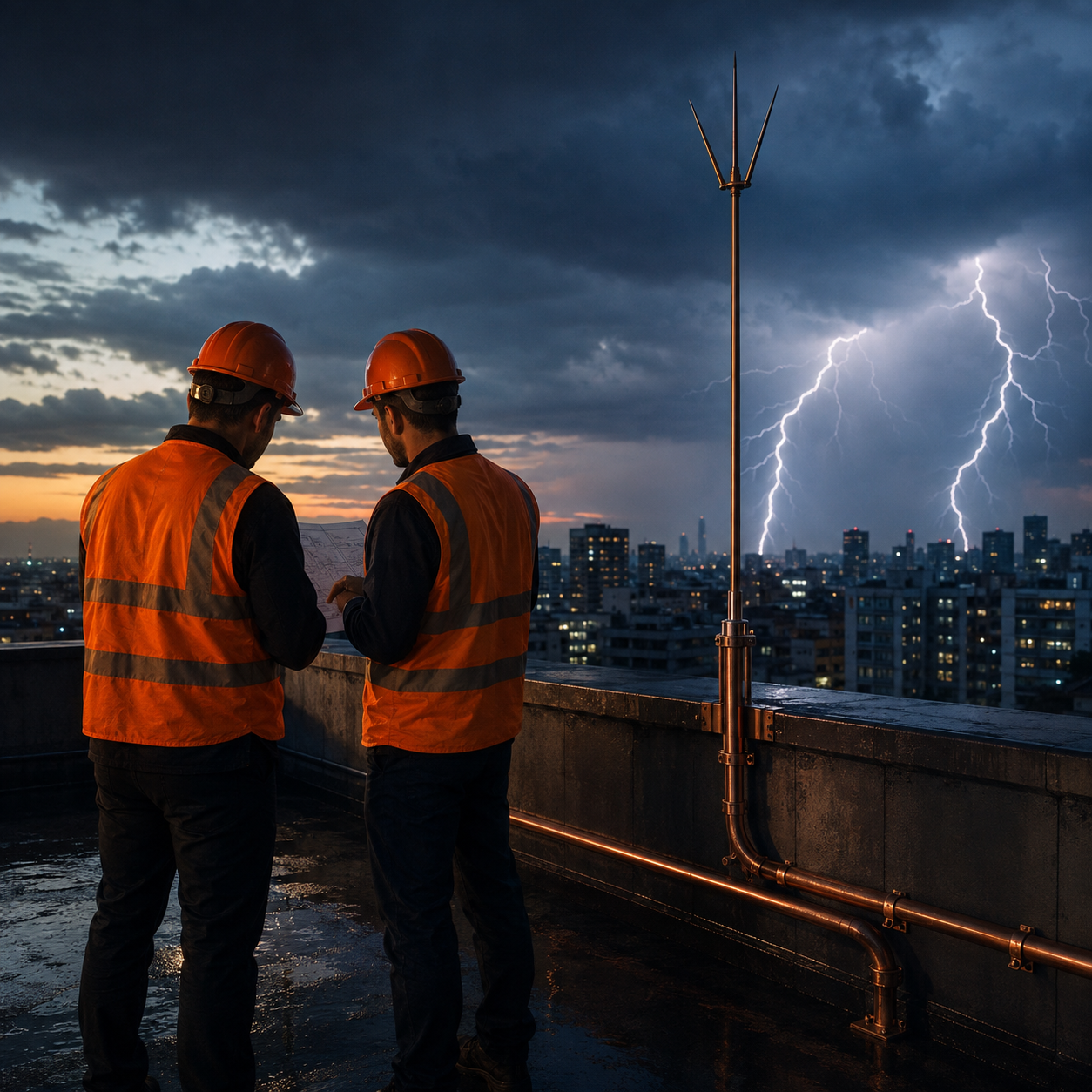
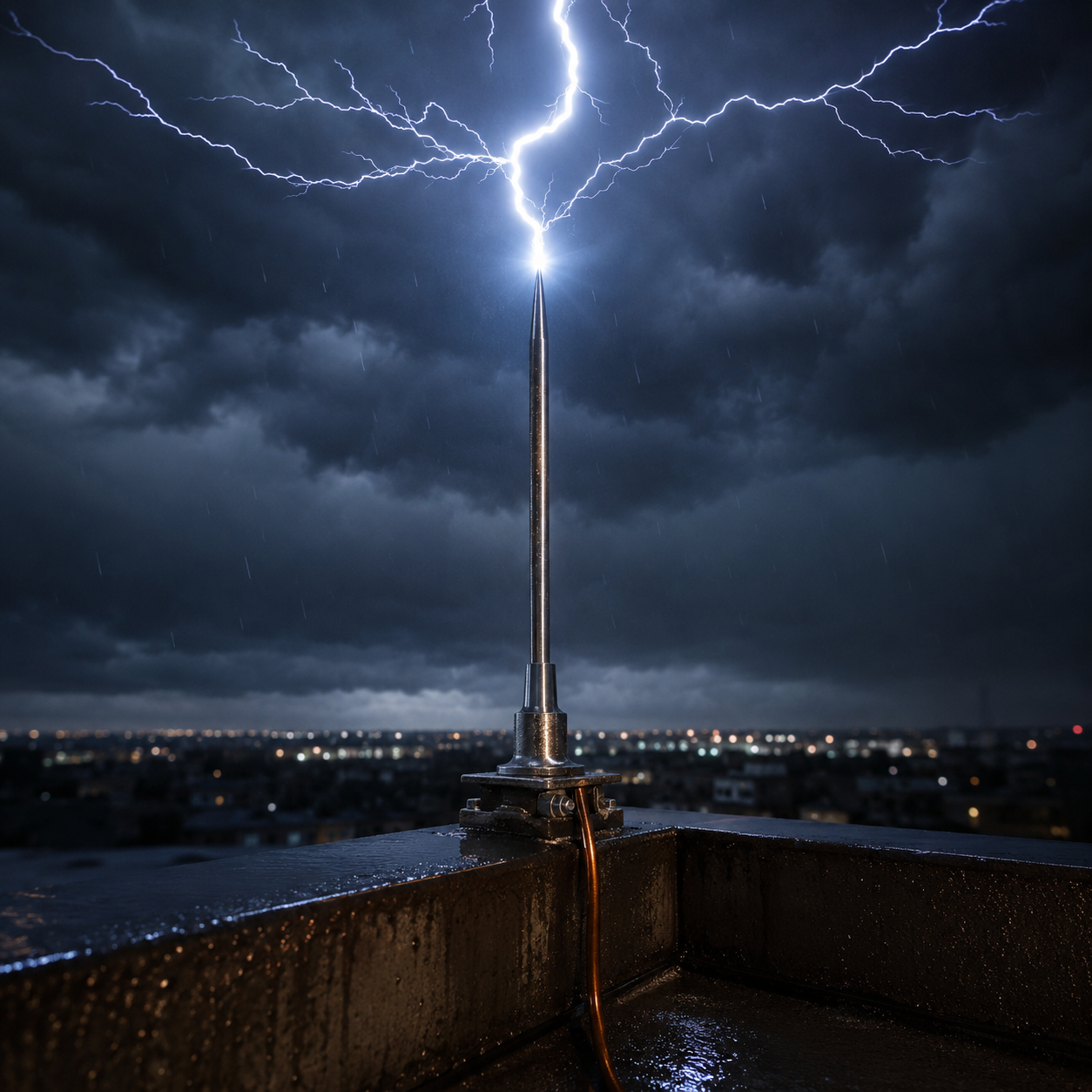
Unfortunately, in our country, when lightning protection is mentioned, the only system that comes to mind and is implemented is the Lightning Rod system. However, many EPC companies install this system in the middle of solar fields without proper evaluation, merely to claim that they provide “Lightning Protection.” According to IEC 62305-5 standards published by IEC and with design criteria defined by VDE for protecting solar systems against sudden overvoltages and lightning impulses, the use of lightning rods in solar systems poses a major risk. The most accurate and reliable solution is to apply a Faraday system designed according to the rolling sphere method using passive air terminals in SOLAR investments. Using ion-emitting systems (lightning rods) in open fields will allow lightning impulses formed by cumulonimbus clouds to be easily directed toward the plant. Instead, the use of Passive Air Terminals, which do not emit ions and only activate if a strike is truly directed at the solar plant, will both provide effective protection and minimize risk. Additionally, the slim structure of these air terminals eliminates shading risk.
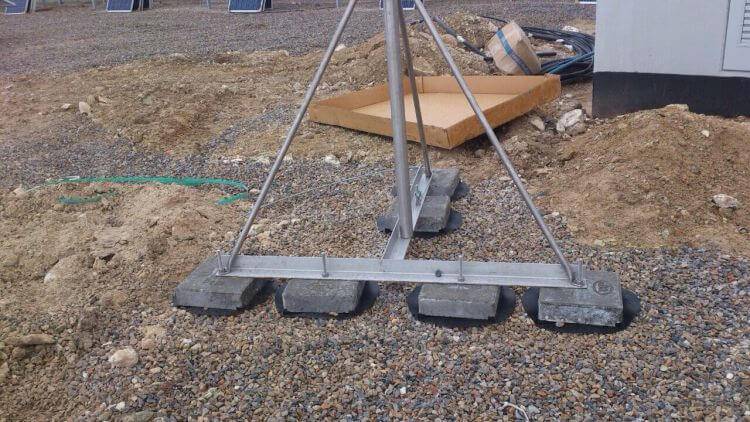
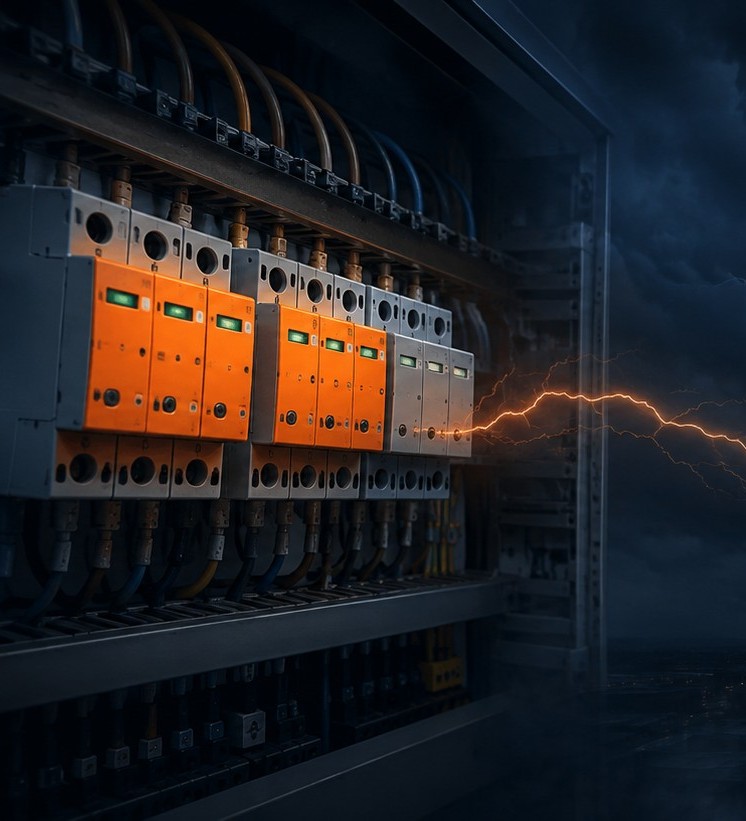
In solar systems, we must design an external lightning protection system against the physical effects of lightning. A lightning strike directed at the facility, with temperatures reaching 28,000 degrees Celsius and peak values of 200 kA, can physically cause severe and irreversible damage to the plant. However, a lightning rod system alone is not sufficient to protect against lightning and sudden surge impulses. To protect against the electrical effects of lightning, DC and AC LV SURGE PROTECTION systems must be installed. Many EPC companies using lightning rods attract the surge to the facility without using surge protectors, leaving inverters and other systems unprotected. In surge protector selection, B+C class products must be used to ensure protection against lightning and grid surges. If the surge protection systems inside inverters are not questioned, they are used as Class C, in other words TYPE II, instead of B+C. These products do not provide lightning protection. The AC-DC and data lines of the plant protected by passive air terminals must be protected with LV surge protection systems. According to TS EN 61643-11 standard, tested surge protectors must have test values on 8/20 and 10/350 waveforms. The products used must absolutely have compliance certification with TS EN 50539-11 standard.

Finally, to protect a solar facility against surges and corrosion for many years, we must establish an EQUIPOTENTIAL system. Especially external lightning protection systems must be bonded to equipotential via damping surge protectors (spark gap). For example, if an installed lightning rod system is not bonded to equipotential—which generally it is not—the risk for the facility increases significantly, and the impulse will flow toward the point with the lowest resistance within 25 nanoseconds. Therefore, passive air terminals must be connected to an equipotential system with ring conductors and spark gaps around the solar field, and target ground resistance values must be achieved. In addition, the use of corrosion tape in all connections is of great importance.
In conclusion, regarding Lightning Protection Systems—where we feel responsible and provide engineering for SOLAR INVESTMENTS—we take the necessary steps to ensure correct implementations and raise awareness within the sector. EPC companies and investors who wish to receive support from us on this matter can contact our expert engineering team.
We wish everyone lightning-free, sunny days.