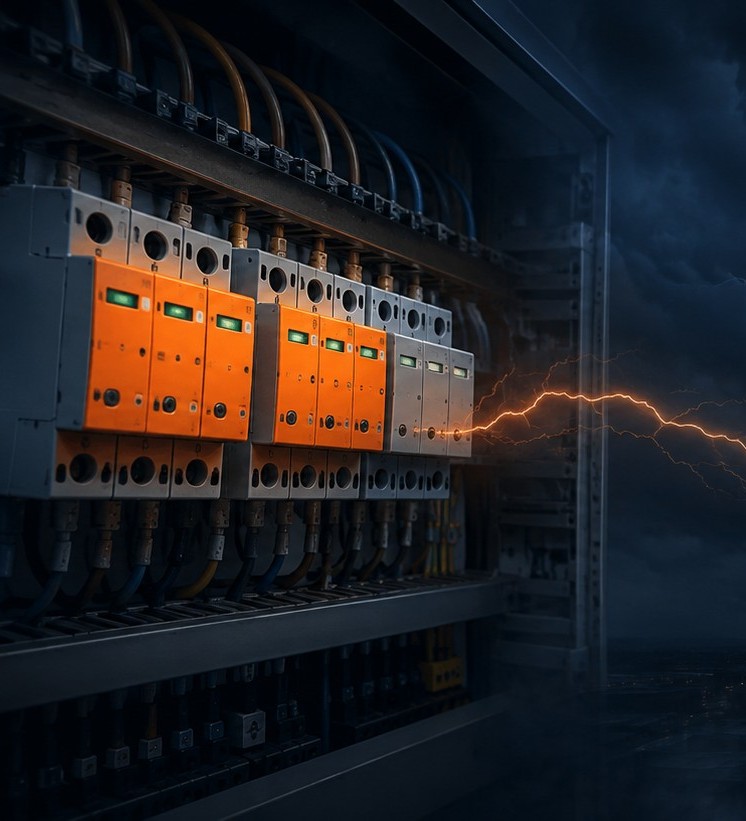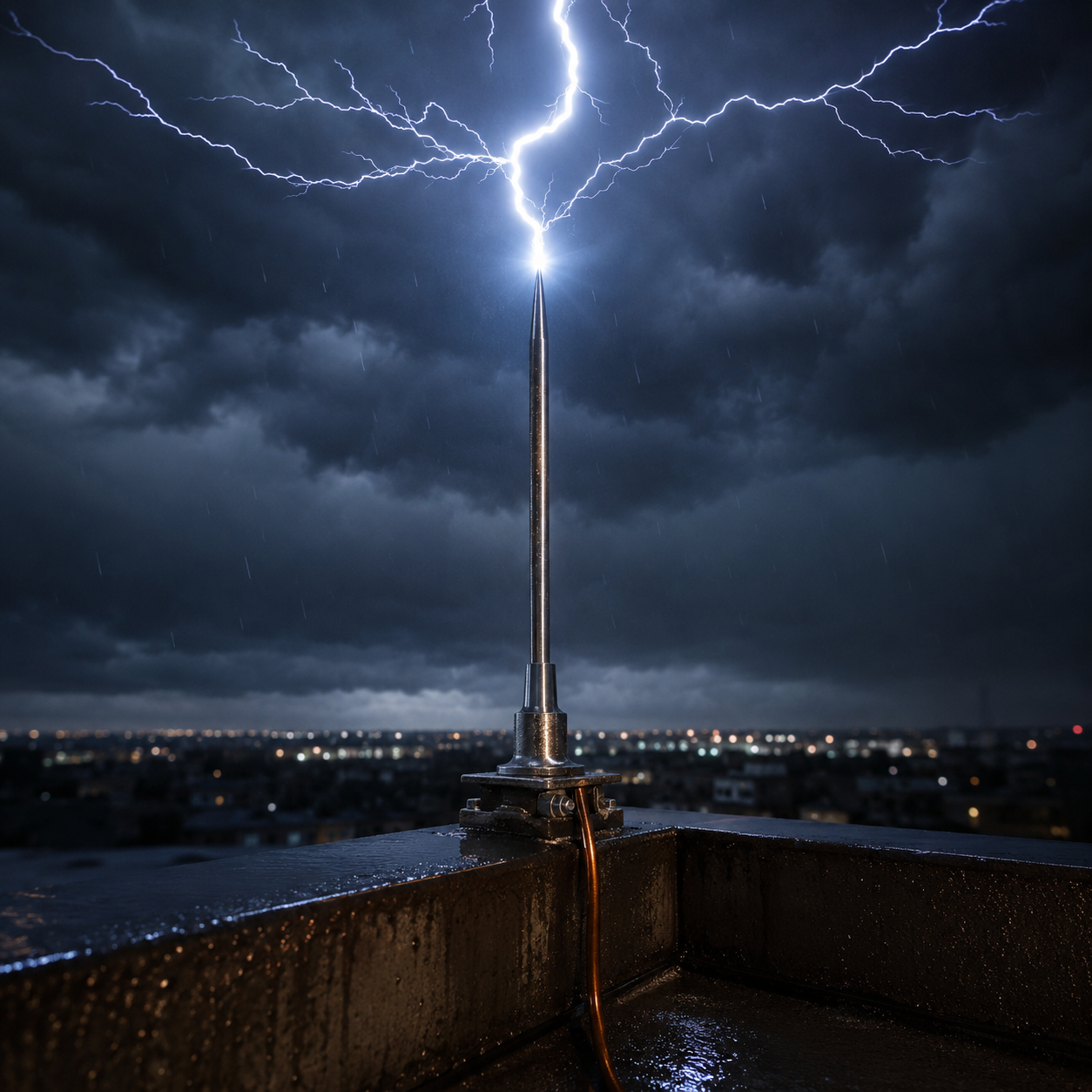
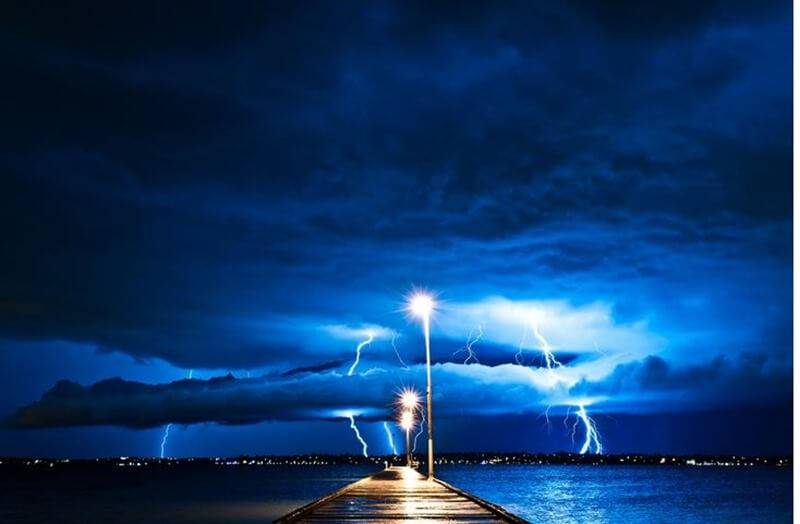
1- Having a lightning rod or any external lightning protection system does not mean that your electrical systems are protected. In order to provide protection, an LV Surge Protection system must be used.
2- Using an LV Surge Protection device only in the Main Distribution Board does not protect the entire system. Power, data, and coaxial lines must also be protected.
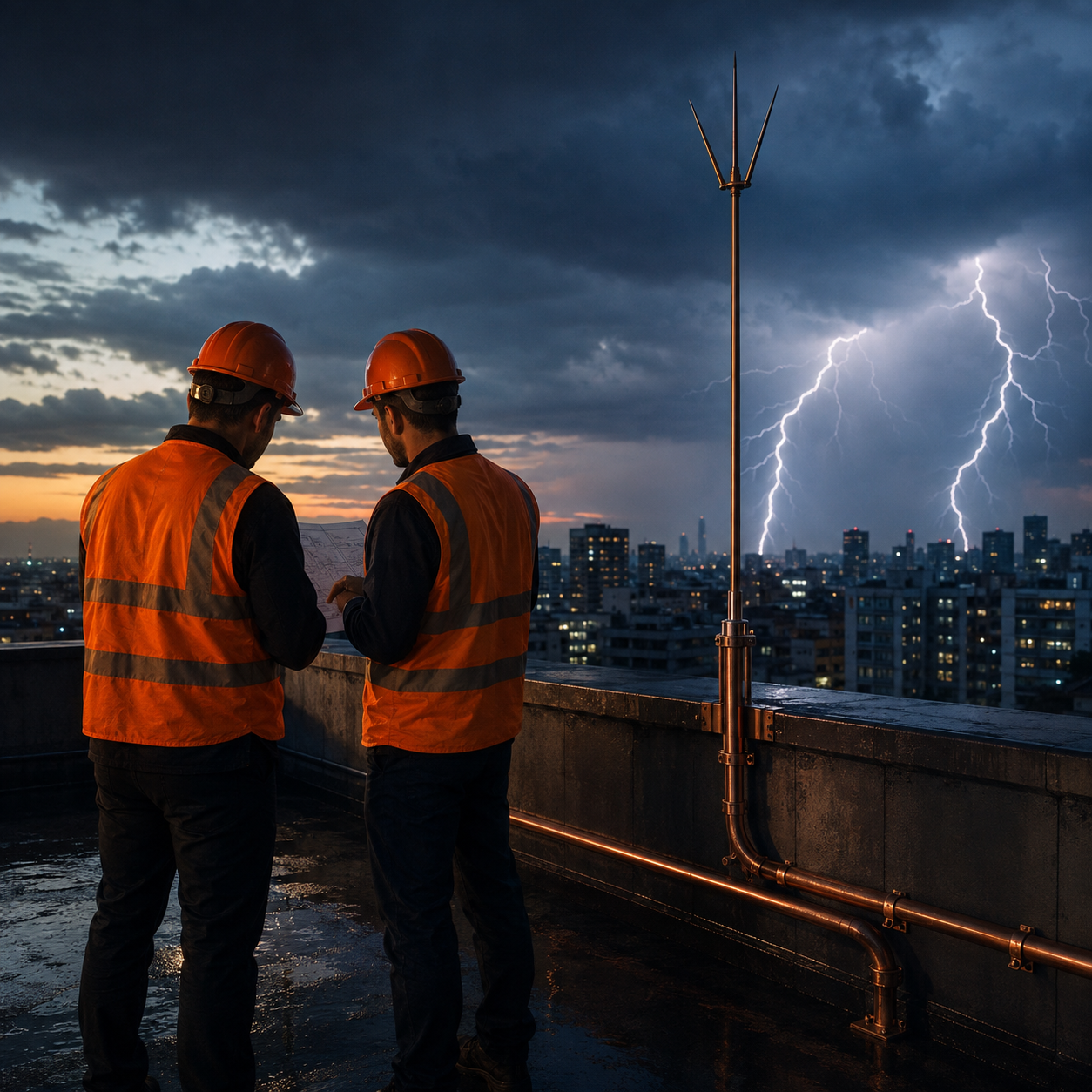
3- The down conductor of an external lightning protection system does not have to be made of solid copper. Within the scope of the IEC 62305 Standard, different types of conductors can be used as lightning protection conductors.
4- Earthing a lightning rod at a distance of 20 meters or at a certain distance does not eliminate its impact on the system. The earthing of the external lightning protection system must be included in the equipotential bonding system.
5- When selecting LV Surge Protection Devices, a risk analysis must be performed and the kiloampere (kA) level should be selected accordingly. It is not mandatory to use a 100 kA product in every project just because it is written in some specifications.

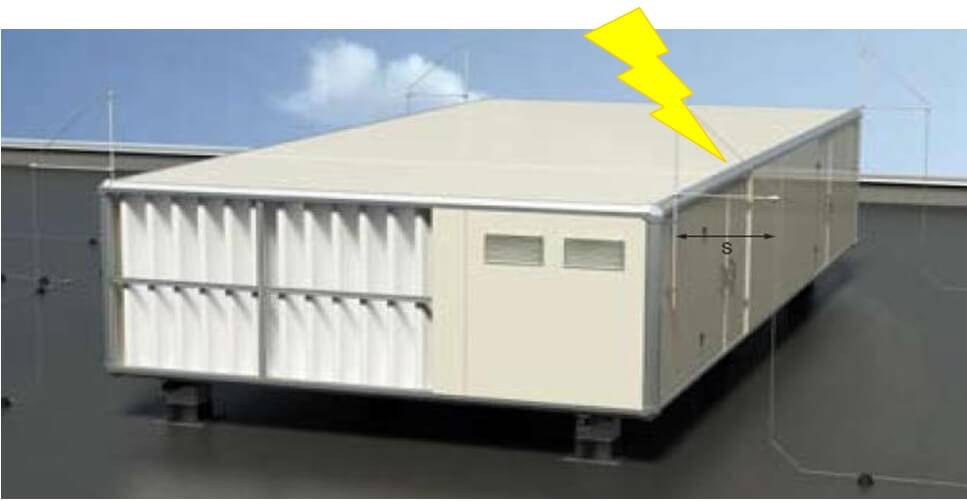
6- Directly fixing the lightning down conductor openly onto the building surface is hazardous. To prevent the risk of flashover to electrical lines, the S separation distance must be calculated or insulated down conductors should be preferred.
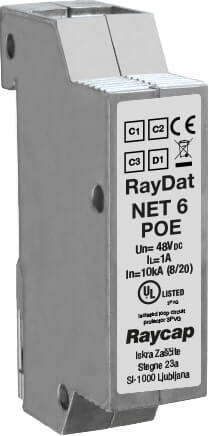
7- Not all LV Surge Protection Devices are varistor-based. In newly developed technologies, varistors and gas discharge tubes are located within the same cartridge, resulting in highly durable products.
8- Using only a TYPE 3 LV Surge Protection Device does not provide protection against lightning currents. In accordance with IEC standards, coordinated (cascaded) protection must be implemented.
9- In short distances, three-stage protection can be achieved using Type 1 + Type 2 + Type 3 devices. However, in high-rise buildings and long systems, this threefold effect is lost when distances exceed 20 meters, and new products must be used.

10- In our country, there is currently no standard for the active lightning rod system. The IEC 62305 standard is adopted as TSE EN 62305, which foresees system installation using passive air terminals in accordance with the rolling sphere method.
11- The use of lightning rods in areas such as solar power plants, flammable and explosive facilities, and fuel stations is risky. The most appropriate solution is a design using passive air terminals that do not attract lightning by ion emission.
12- Whether or not an external lightning protection system exists in a facility, an LV SURGE PROTECTION system must be used.
13- LV Surge Protection Devices do not only protect against lightning strikes; they also provide protection against grid transients, harmonics, sudden voltage drops, and switching surges.