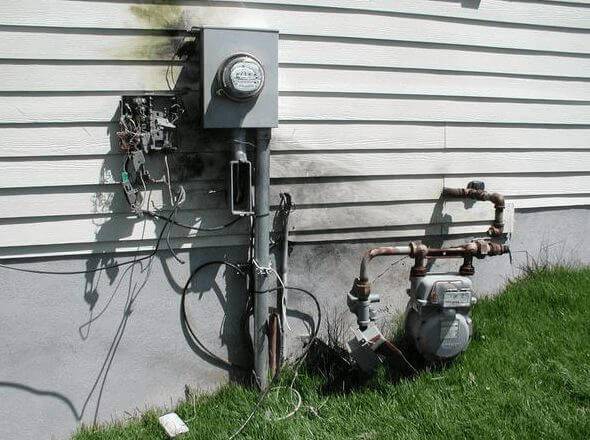
1- Having an external lightning protection system like a lightning rod fully protects my facility from lightning effects.
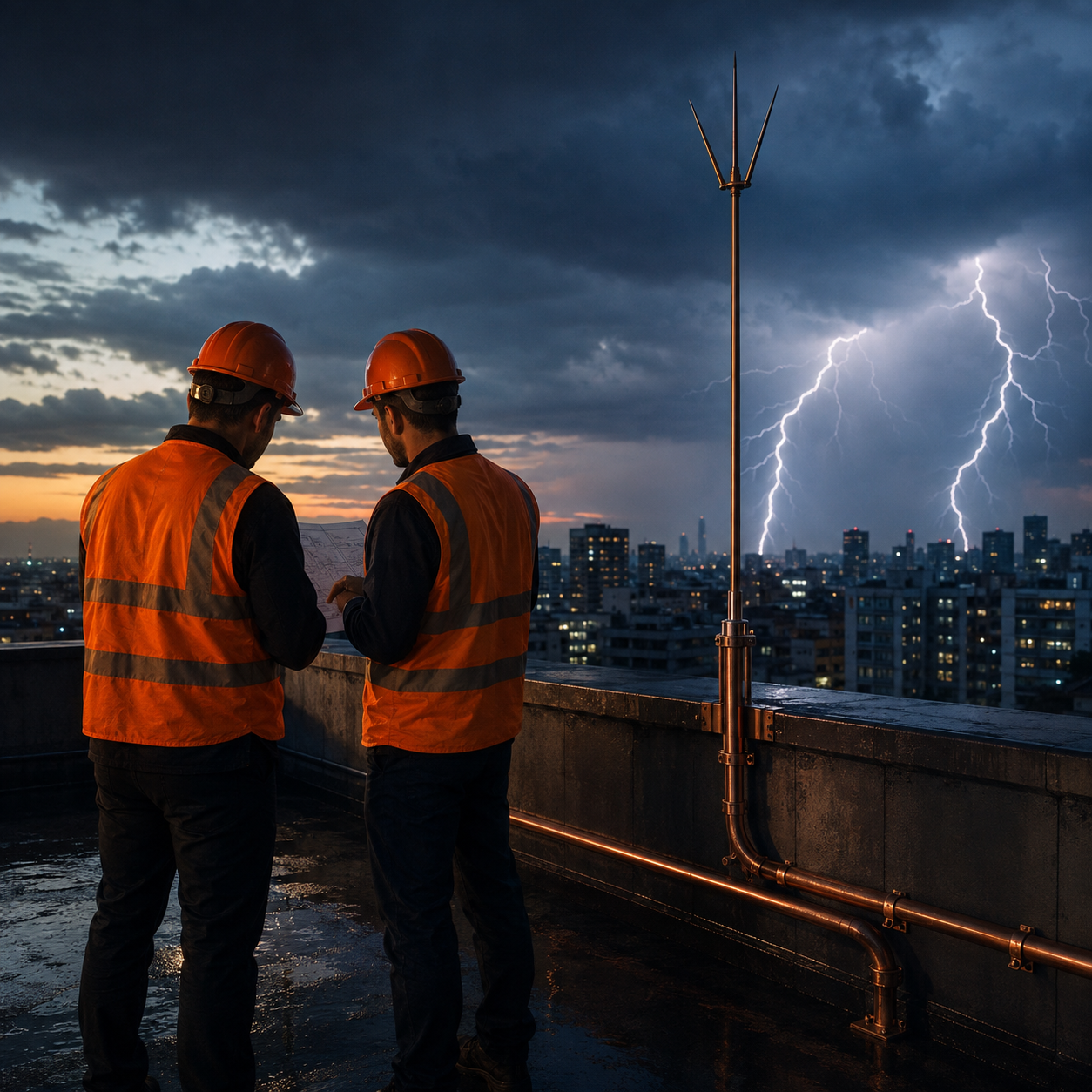
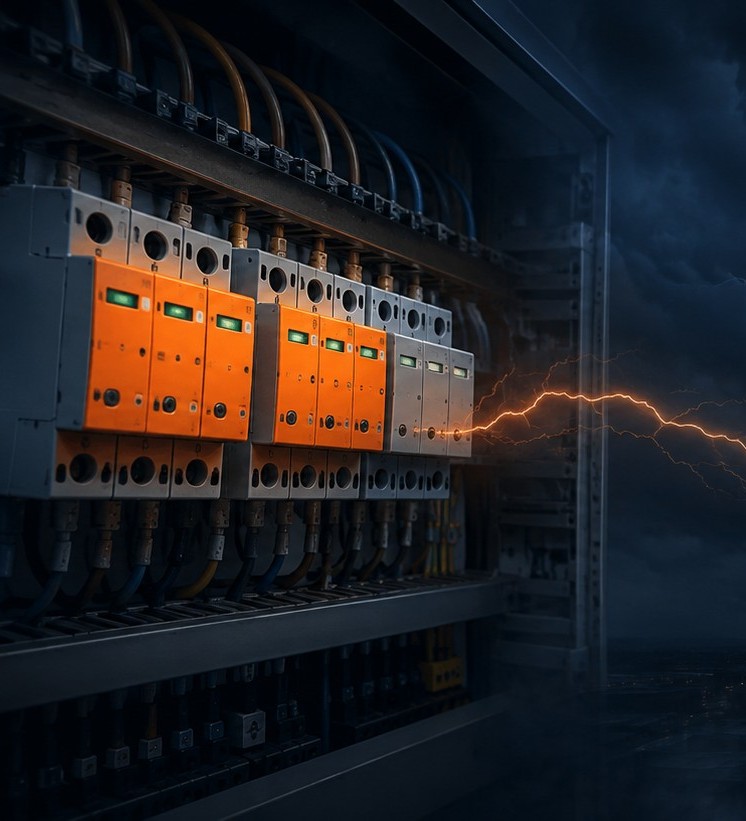
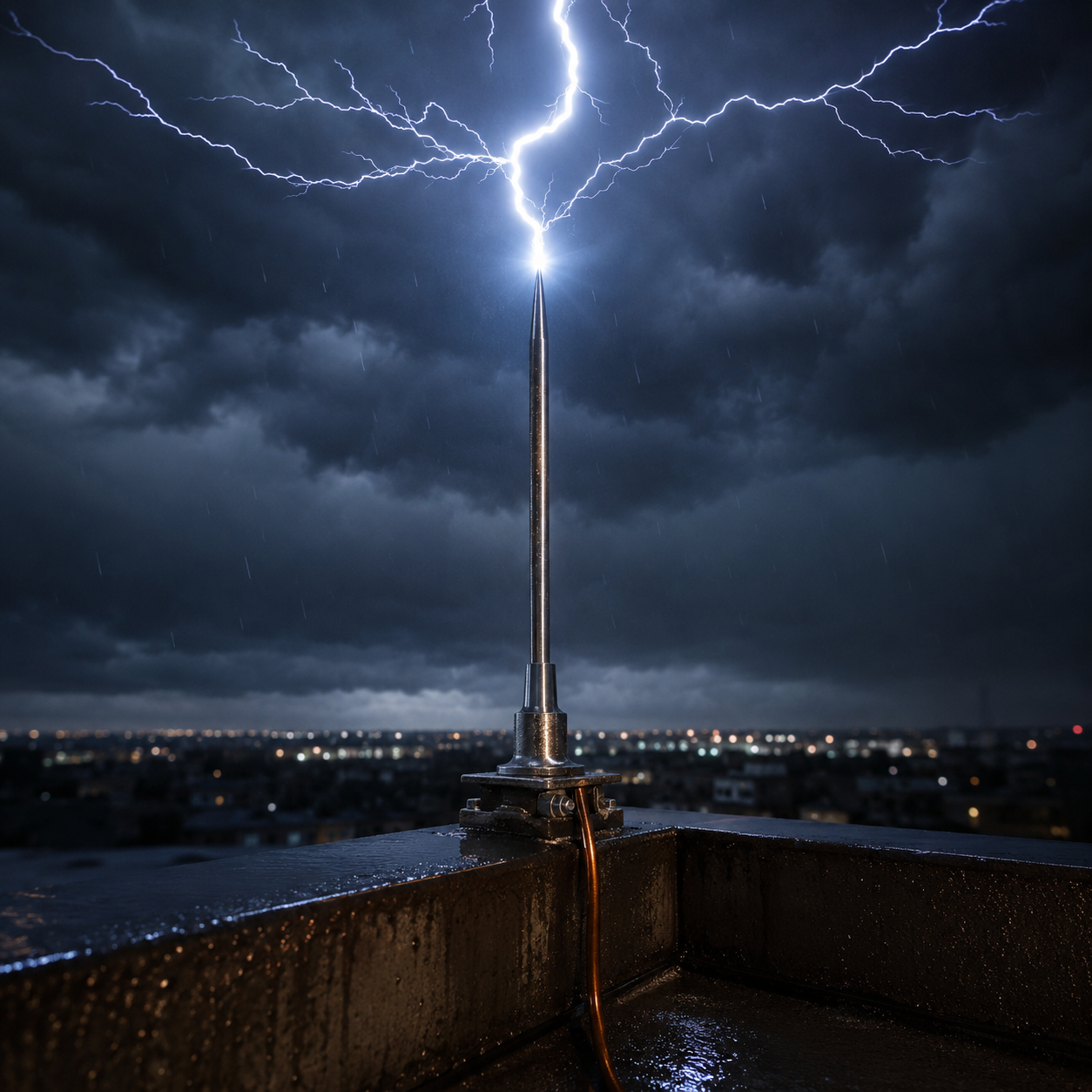
External lightning protection systems only protect facilities against the physical impact of lightning. Having an external lightning system does not mean your electrical devices are protected. Internal lightning protection (surge protectors) must be installed for electrical protection. Full protection requires integration of external lightning protection, internal lightning protection, equipotential bonding, and grounding.
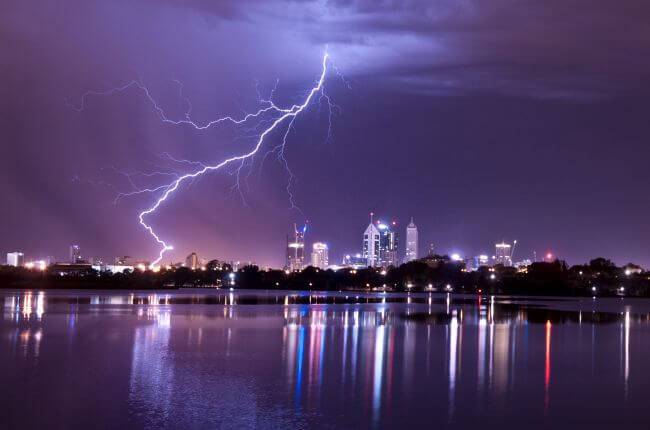
2- Lightning that does not strike directly cannot harm the facility. My facility is at a low level, so I don’t need surge protectors.
Lightning can affect an area as a traveling impulse within a 2 km radius from the strike point. A commonly encountered scenario is that lightning strikes nearby systems and damages facilities via panels.

3- I use surge protectors on my main panel. Therefore, I don’t need surge protectors on secondary panels.
Using surge protectors on the main panel does not mean secondary panels are protected. Most overvoltage impulses are facility-originated internal overvoltages and require protection with Class C surge protectors.
You may also be interested: Surge Protector Grounding
4- Main panels must use Class B surge protectors.
Internal overvoltages pose higher risks than lightning impulses. Therefore, main panels may be damaged by these internal overvoltages. For better protection, use B+C class products that protect against both lightning impulses (10/350 ms) and internal overvoltages (8/20 ms).
5- Standards do not make surge protector usage optional.
According to IEC 62305 Lightning Protection Standard, internal lightning protection, i.e., surge protectors, is mandatory in facilities.

6- It does not matter where the surge protector is connected to the ground line.
Surge protectors should be connected to the ground line via the shortest distance. Cable cross-section is very important according to product class. Class B products: 16 mm², Class C products: 6 mm².
7- The same surge protector can be used for all regions and facilities.
When selecting surge protectors for your facility, internal risk parameters must also be considered along with lightning risk calculations. Therefore, each facility should be analyzed by expert engineers before using surge protectors.
8- I protect my main and secondary panels. My camera, data, power lines, and automation systems do not require separate protection.
CCTV, cameras, PLC, SCADA, and power lines are very sensitive systems. They must be protected with Class D sensitive surge protectors. In summary, stepwise protection should be implemented in the facility.