The importance of maintenance engineering is significant for a factory or facility to continue operating efficiently and without interruption. Thanks to maintenance engineering, unplanned shutdowns, work and worker safety, productivity loss, financial losses, and similar issues are evaluated and prevented by an expert eye. In this article, we have compiled 7 key pieces of information that every maintenance engineer should know regarding overvoltages, which are the most common electrical issues in facilities.
You may be interested: December 26 | Overvoltage Protection Training for Facilities
1- Causes of Overvoltage
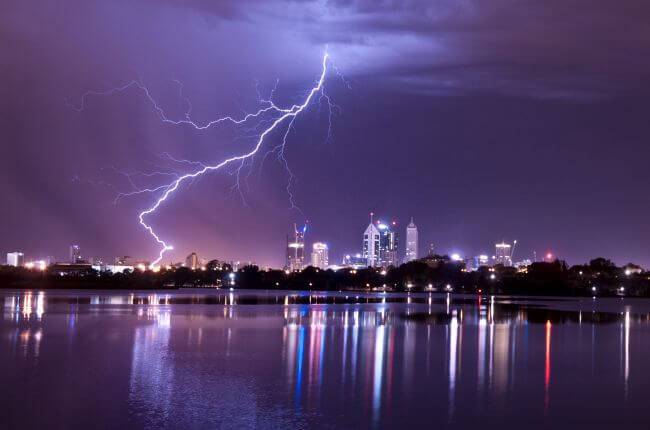
Overvoltage surges can be divided into two groups: lightning-induced and internal overvoltage sources. A lightning strike can affect an area with a radius of up to 2 km from the strike point. Another source of overvoltage is internal causes within the facility, such as:
- Switching operations
- Electrostatic discharge
- Grid-related harmonics and surges
Lightning-induced surges follow a 10/350 µs curve, while internal overvoltage surges follow an 8/20 µs curve.

2- Lightning Rods and Standards
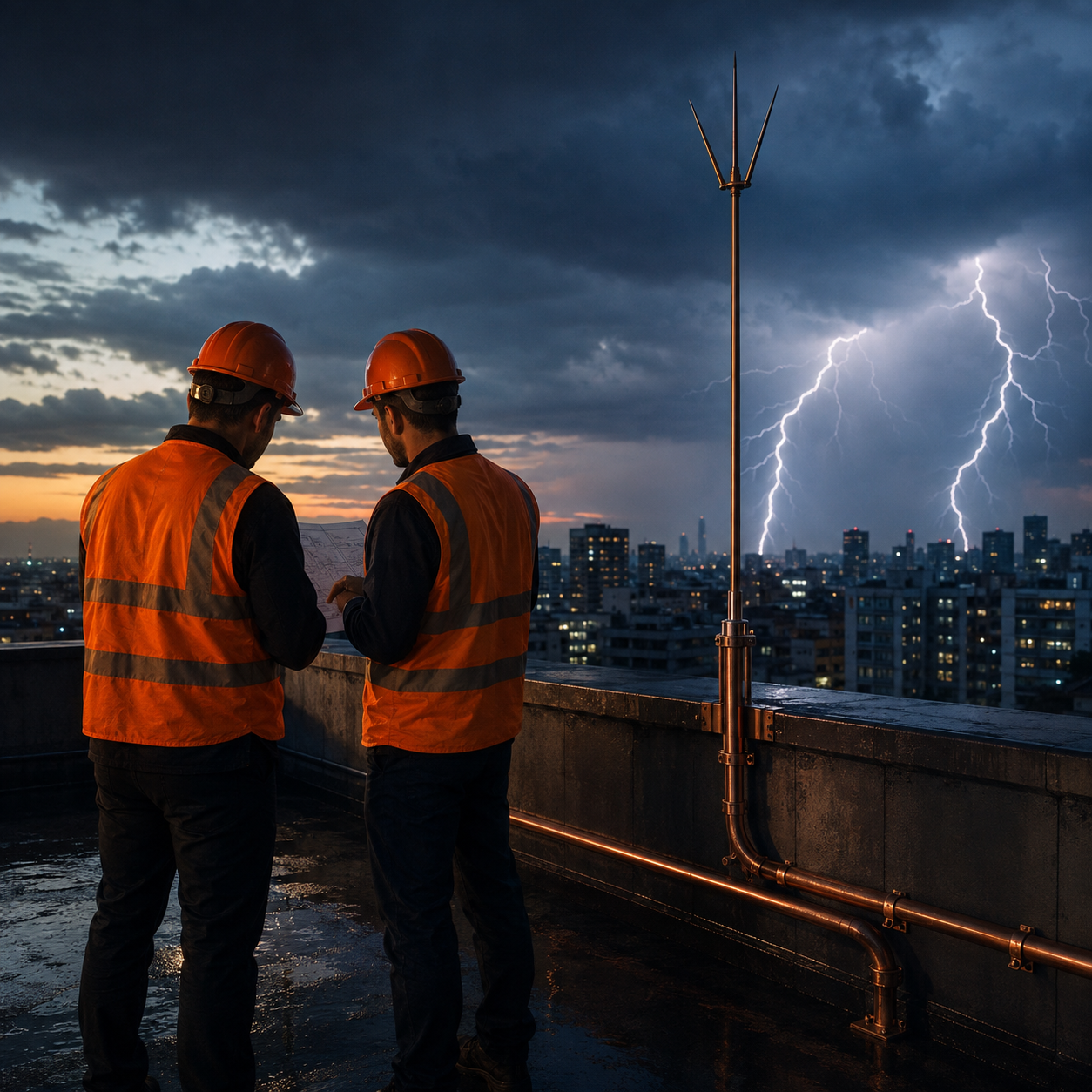
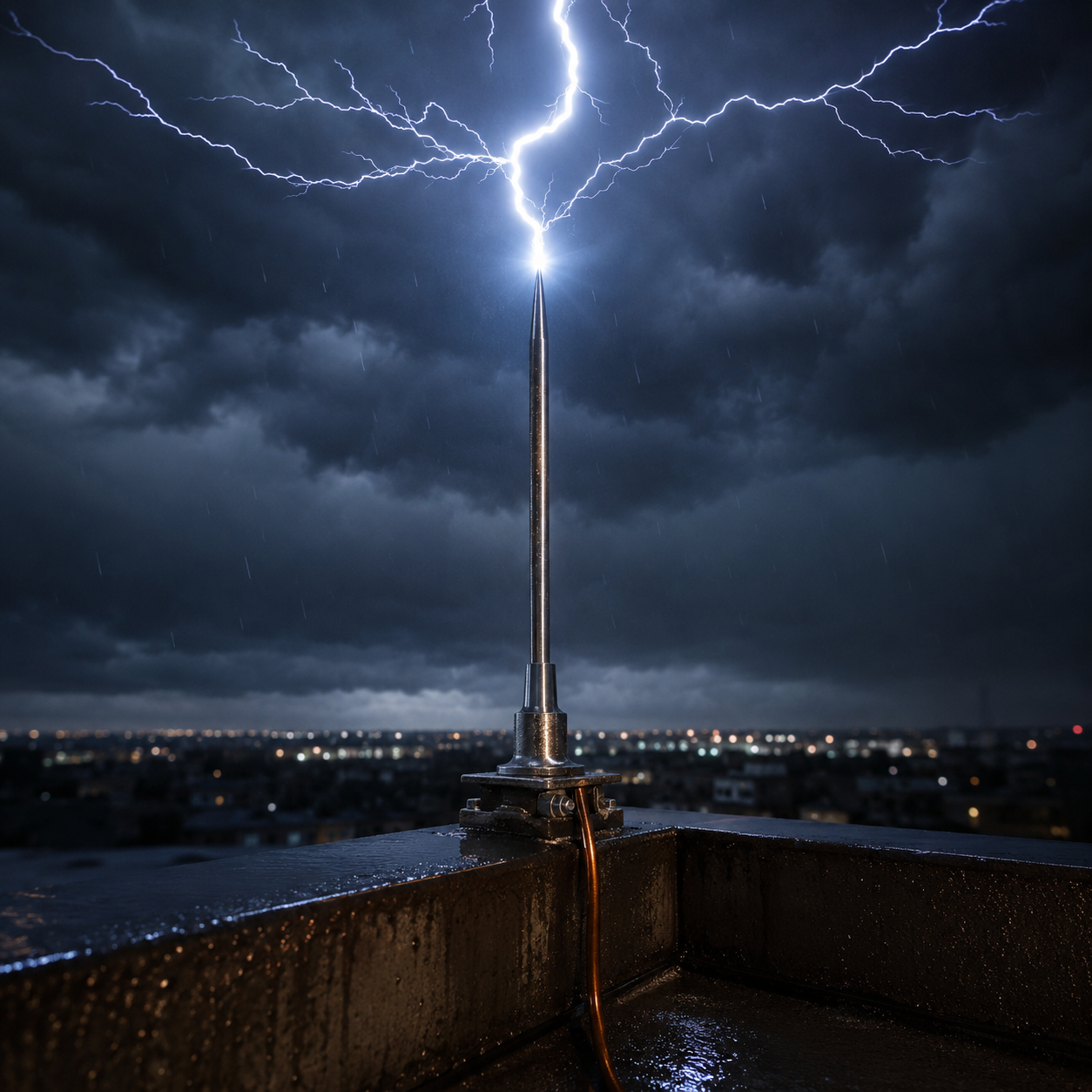
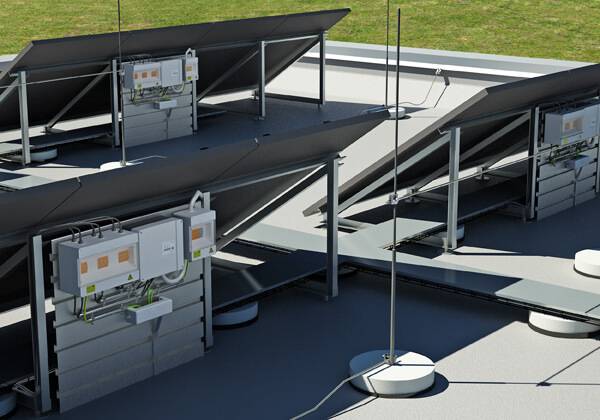
Lightning rod systems are included in the local standard of a French association called NFC 17102 Standard. According to IEC 62305 standards, lightning rod systems are not recommended; passive air terminals are advised instead. Additionally, lightning rod systems do not provide electrical protection. Many facilities still experience device burnouts due to lightning strikes, even with lightning rods installed.
3- Grounding of Lightning Protection Systems
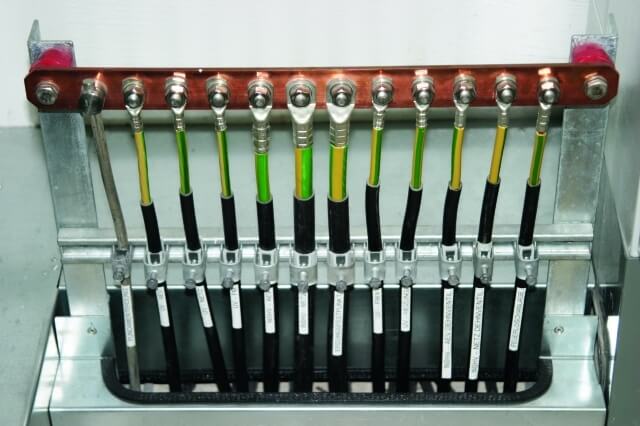
Although it is common to think that lightning protection grounding should be done separately from building grounding, this is incorrect. For structures with basic grounding, connecting the lightning protection grounding to the building’s main grounding is recommended by the Grounding Regulation.
4- Use of LV Surge Protectors
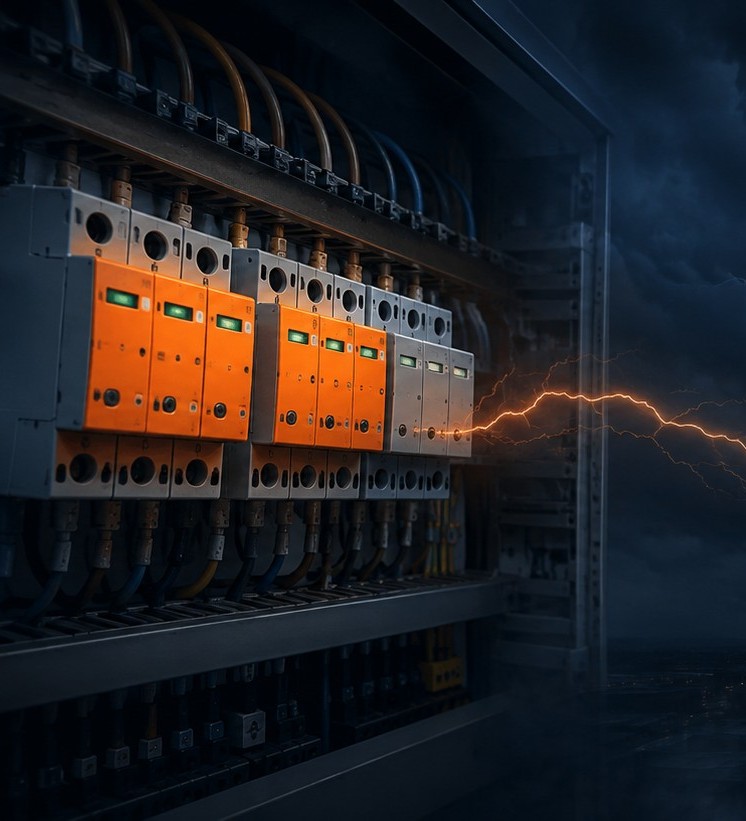
According to IEC standards, in buildings with external lightning protection, the use of surge protectors is mandatory. Main panels should use B+C class surge protectors for lightning surges, while secondary panels should use C class surge protectors for internal overvoltage protection.

5- Protection of Automation Systems
Automation systems (PLC and SCADA) are critical for continuous production in a facility. These systems are highly sensitive to overvoltage surges and should be protected using D class surge protectors.
You may be interested: Overvoltage Protection for Automation Systems