What Is Loop Impedance (Earth Fault Loop Impedance) Measurement?
14 June 2016
How Do Type 1+2 (B+C) Class Surge Protectors Differ from Type 2 (Class C) Surge Protectors?
28 June 2016
Surge arresters, i.e., sudden overvoltage protectors, are one of the most important elements of protection against lightning and overvoltages. These devices must be present in our systems so that we can protect our electrical and electronic devices against impulses. However, the lifespan of surge arresters decreases due to errors made in surge arrester selection or application.

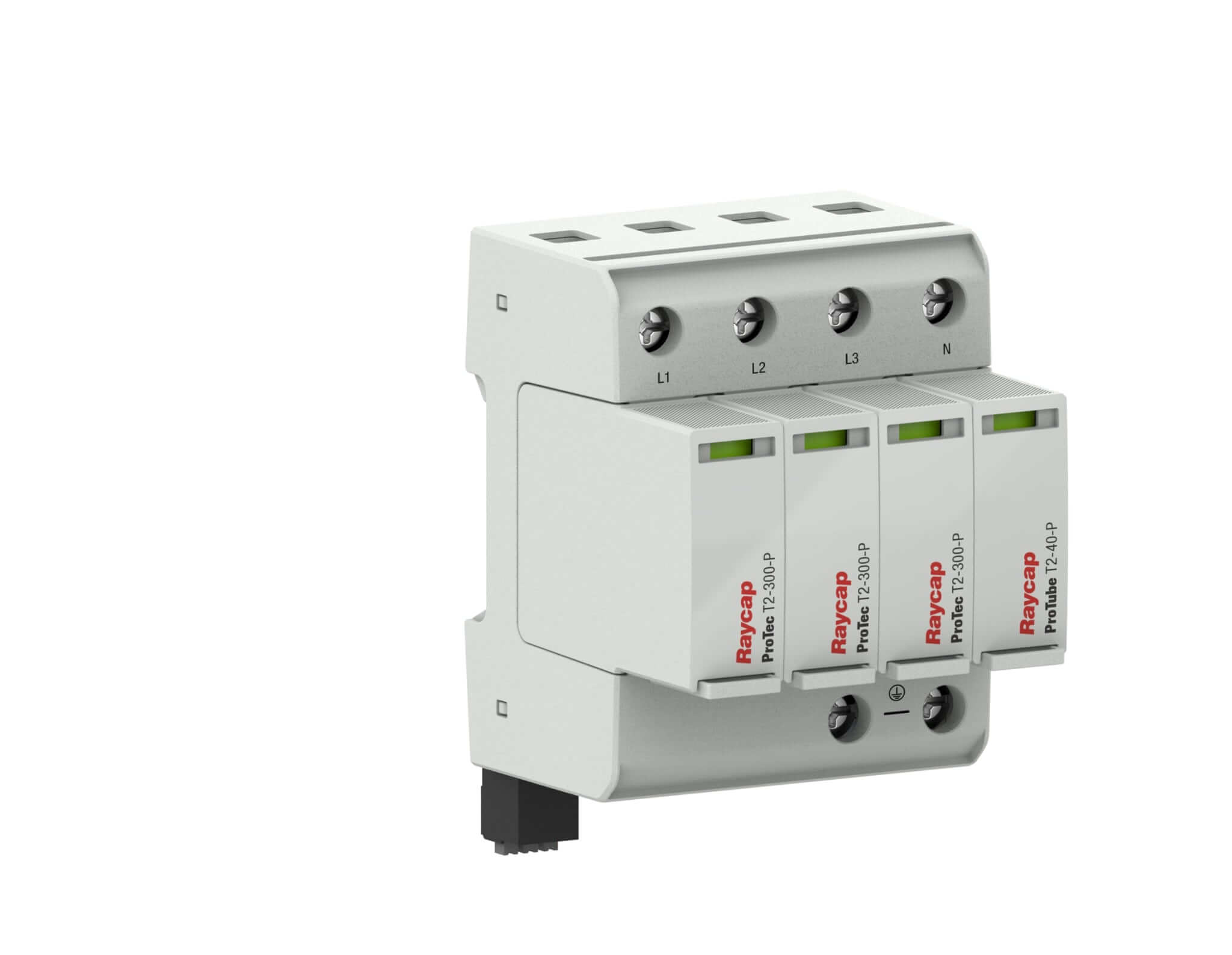
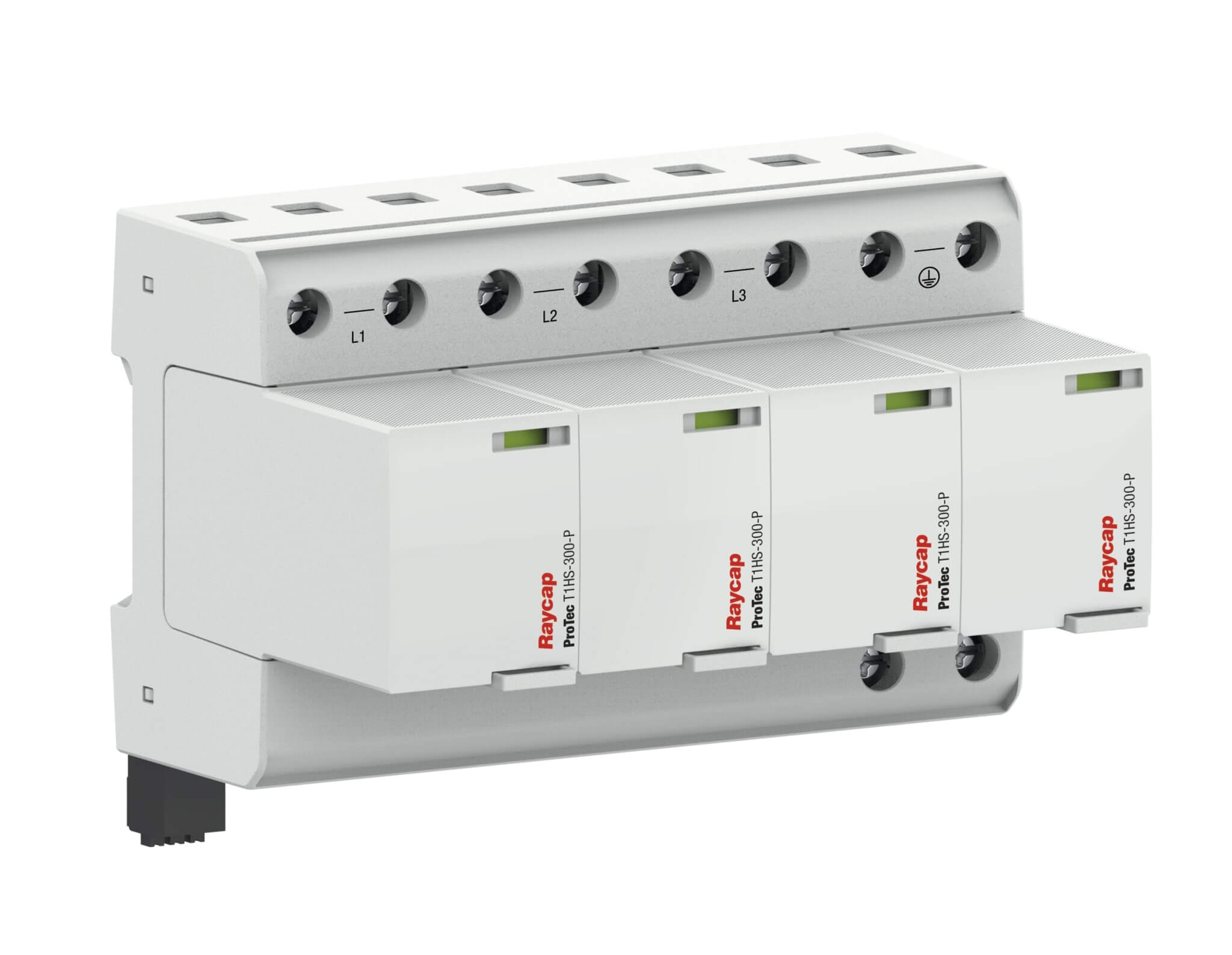
Operations Reducing the Life of Surge Arresters
- Surge arrester parameters selected without conducting lightning risk analysis
- Lack of cascaded protection; only Class B or B+C surge arresters placed in the main panel
- Failure to comply with IEC standards during the installation of surge arresters. Class B should be connected with 16 mm2, Class C with 6 mm2, and Class D with 1.5 mm2 cables. Also, we need to apply the 50 cm rule in connections inside the panel.
- Paying attention to distances between panels in panel applications
How to Perform Correct Surge Arrester Installation?
Life Span in Surge Arresters?
Especially in hard-to-reach areas such as solar power plants, wind power plants, and silos, the surge arrester may be disabled as a result of an impulse. If the surge arrester is not monitored via contact output, this may not be noticed, and the facility may remain unprotected.
How is Longevity Ensured in Surge Arresters with VG Technology?
In general, old surge arrester technologies are MOV-based. These types of surge arresters can be disabled when they receive a high impulse. Patented VG technology products offer gas discharge tube and MOV technology simultaneously. The incoming impulse is first dampened inside the gas so that the MOV can continue its duty without being damaged. Our VG technology surge arresters can perform an unlimited number of dampings. Thus, the life span problem is eliminated.

Thanks to VG technology, the life span problem in surge arresters has been solved.