
Solar energy systems are increasingly used as a renewable energy source. However, commonly observed grounding errors in these systems can lead to significant safety and efficiency issues. Electrical safety is crucial for sustainable production; within electrical safety, the GROUNDING system must be properly installed. In this article, we will examine in detail the most common grounding errors in solar energy systems and their effects.
Why Is Grounding Important in Solar Energy Systems?
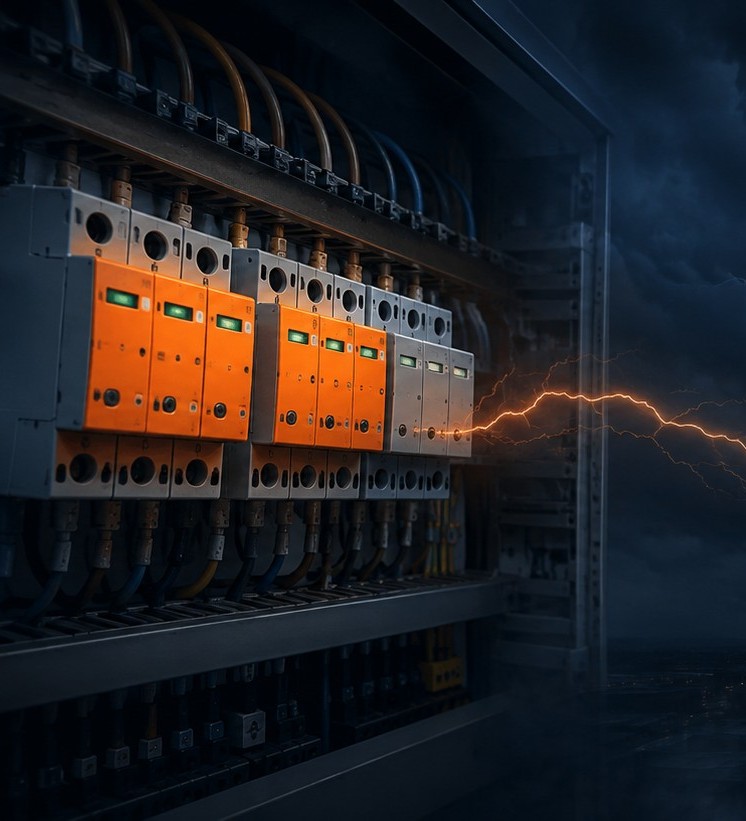
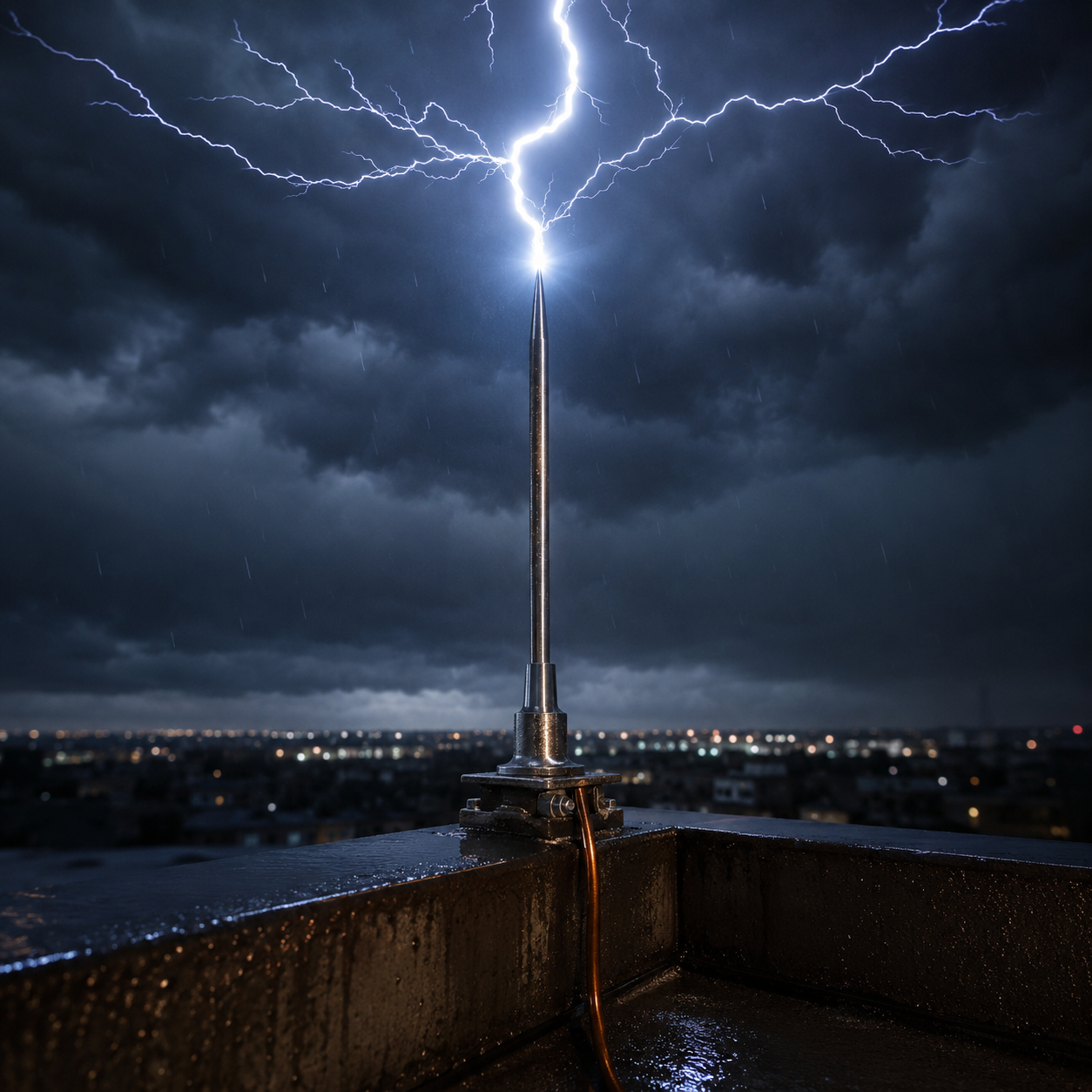
Grounding plays a critical role in electrical safety and the proper operation of solar energy systems. Grounding ensures that metal parts and electrical components in the system are safely grounded. In this way, hazards that may be caused by possible electrical leakages or short circuits are prevented. In addition, grounding increases the electromagnetic compatibility of the system; thus, the impact of electrical interference is minimized. Grounding is extremely important for the dissipation of lightning and sudden surges. In a facility without grounding, it is not possible to speak of the correct operation of surge arresters and external lightning protection systems.

The Most Common Grounding Errors in Solar Energy Systems
-
Insufficient Grounding System
If the grounding system in solar power plants is not properly designed or installed, serious safety issues may arise. Insufficient grounding can cause metal parts to become electrically energized, increase the risk of electric shock, and lead to system failures. The grounding system is very important to prevent touch and step voltages, ensure the operation of protection equipment, and discharge static charges.
-
Insufficient Grounding Electrode
Failure to select the grounding electrode at sufficient depth and to use appropriate materials, and improper selection of electrode cross-sections and materials, leads to high grounding resistance and therefore insufficient grounding of the system.
-
Ensuring Equipotential Bonding
All groundings throughout the facility must be interconnected. A resistance difference of 0.2 ohms across the facility is ideal. The lightning protection system must also be included in the equipotential bonding. Independent systems such as camera poles should be equipotential. Throughout the facility, local equipotential bars must definitely be connected to the main equipotential bar.
-
Weak Grounding Connections
Weak connections of grounding conductors reduce the effectiveness of the grounding system. Loose or oxidized connections increase grounding resistance and may cause electrical leakages.
-
Not Using Corrosion Tape
Using corrosion tape on grounding connections completely cuts off contact with air and prevents oxidation. Corrosion tape must be used at table connections and junction points.
-
Using Different Metals in Grounding
Grounding with different metals throughout the facility will create a bimetal effect. Copper and galvanized materials should not be connected to each other without precautions. As much as possible, the same type of metal should be used throughout the facility.
-
Incorrect Grounding Design
Since solar energy systems generally spread over large areas and have complex structures, correct design of the grounding system is critically important. Incorrect grounding design can negatively affect system safety and performance.
-
Not Measuring Soil Resistivity
The soil resistivity of each site is not the same. The soil resistivity value is of great importance in grounding calculations. If this value is not measured correctly, the design and calculations will be incorrect.
-
Insufficient Grounding Conductor Cross-Section
If the cross-section of grounding conductors is smaller than the current-carrying capacity required for the system, it may cause overheating, fire risk, and system failure. Cross-sections must be supported by calculations. Conductor sizes should not be selected arbitrarily.
-
Improper Grounding Points
Grounding points that are not close to the critical components of the system or are not accessible reduce the effectiveness of the grounding system. This situation increases the risk of electric shock and makes fault detection more difficult.
-
Damage to Grounding Conductors
Mechanical damage to grounding conductors (for example, damage to cables, bending, or breakage) disrupts the integrity of the grounding system and may cause electrical leakages. Great care must be taken during the installation phase.
-
Grounding Application Without Sufficient Excavation
For grounding, an excavation depth of 80 cm is the most ideal value. Shallow excavations will cause the resistance to increase in the long term.
-
Insufficient Maintenance of the Grounding System
In solar energy systems, the grounding system must be periodically inspected and maintained. Otherwise, the grounding resistance may increase over time and the safety of the system may be compromised.
-
Increase in Grounding Resistance
Changes in soil structure, corrosion, or wear of the grounding electrode may cause an increase in grounding resistance. This increases the risk of electric shock and disrupts the electromagnetic compatibility of the system. The increased resistance must be reduced again and equipotential connections must be checked.
-
Deterioration of Grounding Connections
Loosening or oxidation of grounding connections reduces the effectiveness of the grounding system. This problem may occur if periodic inspection and maintenance are not performed.

Consequences of Grounding Errors
-
Safety Risks
Grounding errors in solar energy systems can lead to serious safety problems. Hazards such as electric shock, arc formation, and fire risk may result from these errors. Energization of metal parts in the system poses a major danger to workers and users.
-
Risk of Lightning Damage
In a facility with grounding problems, neither external lightning protection systems nor surge arresters can operate correctly. Therefore, system grounding must be kept under strict control.
-
Efficiency Losses
Another important consequence of grounding errors is a decrease in the efficiency of the solar energy system. Increased grounding resistance causes electrical leakages and negatively affects the electrical performance of the system. This leads to reduced energy production and economic losses. Sustainable production will be adversely affected.
-
Maintenance Costs
Failure to eliminate grounding problems increases the maintenance and repair costs of the system. Fault detection, improvement of the grounding system, and repair operations must be carried out periodically for long-term protection.

Prevention and Solution of Grounding Errors
Points to Consider During the Design Phase
During the design phase of solar energy systems, correct design of the grounding system is critical. Appropriate selection of the grounding electrode, determination of sufficient conductor cross-sections, optimal positioning of grounding points, and correct material selection are issues that must be considered at this stage.
Points to Consider During Installation
During system installation, correct grounding connections and preventing damage to grounding conductors are of great importance. In addition, periodic inspection of the integrity of the grounding system enables early detection of potential problems.
Periodic Maintenance and Inspection
In solar energy systems, the grounding system must be regularly inspected and maintained. Measurement of grounding resistance, checking the tightness of connections, and evaluation of grounding electrode conditions are among the activities that should be carried out in this scope.
Grounding in solar energy systems is critically important in terms of electrical safety and system performance. However, grounding errors commonly observed in the sector can lead to serious problems. Proper design, installation, and periodic maintenance of the grounding system will ensure the safe and efficient operation of solar energy projects. You can contact Yılkomer experts immediately for your solar energy investments.
As Yılkomer, we carry out all stages of grounding design, calculations, soil resistivity measurements, project design, grounding material supply, and reporting. You can contact us for solar power plant grounding design and product supply.
Remember, Yılkomer ‘Protects Your Values!’