You May Be Interested In: Grounding Measurement

Electrical Installation Control and Conformity Standards
In Electrical Facilities, the Regulation on Electrical High Current Facilities, Regulation on Earthing, and Regulation on Electrical Indoor Facilities should be taken into consideration primarily in measurement and control operations. Measurements should again be carried out by competent electrical engineers.


What Should Be Done in Electrical Installation Control?
- Grounding measurement from as many points as possible (Panel, socket, machines, UPS, generator)
- Residual Current Device (RCD) Test
- Measurement with Thermal Camera
- Measurement of line impedance values from as many points as possible (Machine, socket, transformer, generator)
- Conformity and testing of protection equipment (fuse, relay, circuit breaker)
- Voltage drops
- Accuracy of labeling systems
- Control of earth and neutral busbars
- Insulation resistance measurements
- Control of single-line diagrams
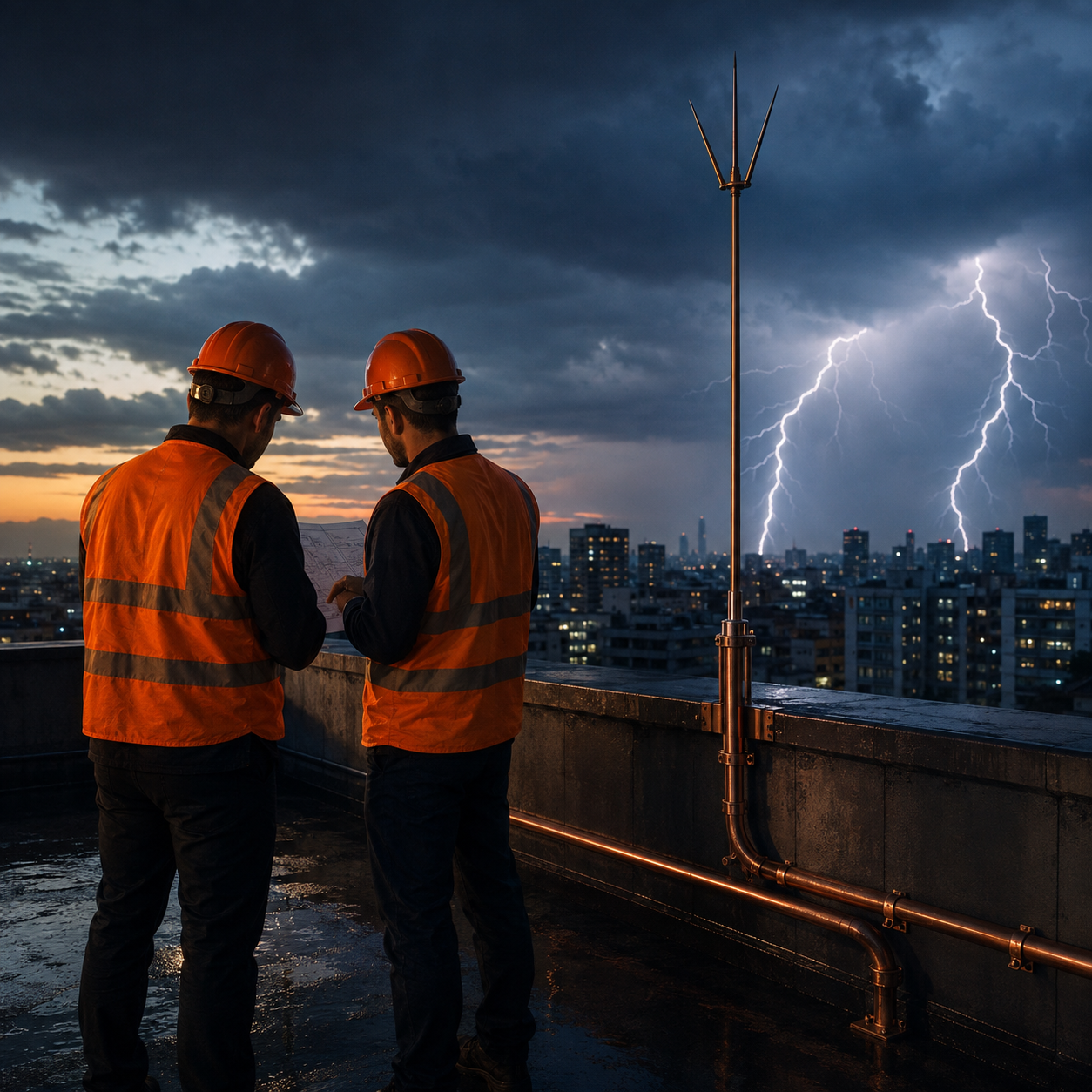
- Control and measurement of external lightning protection

You May Be Interested In: LV Surge Arrester
Sample Applications
Line Impedance Measurement
Line impedance means the resistance of the line between phases or between phases and neutral. It is a measurement as important as grounding. It is performed to calculate the maximum current that will flow through this line in case of a short circuit between the phase conductor leaving the transformer and the neutral conductor leaving the star point of the transformer. If this maximum current is greater than the tripping current of the protection elements (MCB, MCCB, etc.) protecting this line, it means that this protection element is selected appropriately for this line. If the measured maximum short circuit current is smaller than the tripping current of the protection element, it means that this protection element is not selected appropriately for this line. Devices that can work on this line are under great risk. In case of possible phase-to-phase or phase-neutral short circuits, if they do not trip, this short circuit current can cause great damage to both the line and the devices. It is one of the most important measurements of the installation conformity report.
Continuity (Earth Continuity) Measurement
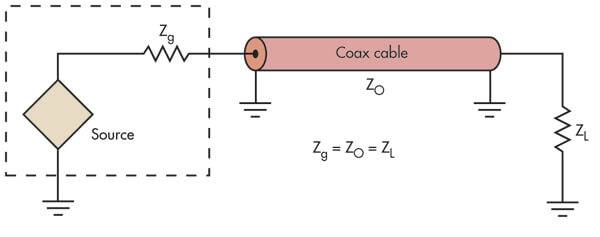
Continuity (Earth continuity) is performed to check that the ground line reaches the end points from the starting point via a conductor in a healthy way. In summary, it is the transmission of the equipotential busbar (zero point) grounding value to the end points via a conductor. The regulation specifies the limit value in continuity measurement as 1 ohm. For example, the internal resistance of the conductor you choose to transmit the Equipotential busbar grounding value to a motor body 50 meters away should not be greater than 1 ohm. If it is greater, it means that the conductor cross-section you chose for this distance is definitely not suitable. Since the cross-section and resistance are inversely proportional, if you increase the cross-section, you reduce the conductor resistance. The devices that will perform this measurement must measure the value of the cable resistances used in the measurement, store it in its memory, and automatically deduct it from the measurement result. Otherwise, if you are going to perform a continuity measurement to a point 50 meters away, you must use a 50-meter conductor. The resistance of a 50 m conductor (depending on cross-section) is roughly 1.3 ohms. Therefore, if the device cannot calculate this value and deduct it from the measurement result, you cannot find a value below this value as the measurement result and you will obtain incorrect results.

Grounding Loop Impedance Measurement
[Image of earth fault loop impedance path diagram]
Loop impedance is an easy way to measure grounding without driving stakes. Generally, it is the impedance of the line between the phase line and the ground line. In other words, it is an easy way to measure protective grounding by taking operational grounding as a reference.
The device takes a certain current from the phase line and transmits it to the ground via the ground line. This current flowing through the ground (zero point) returns to the phase conductor from the transformer star point grounding (operational grounding), that is, it returns to the device. The sum of the resistance values of all lines it passes through in this direction is called loop impedance. Within this impedance value:
- Protective grounding
- Operational grounding
- Transformer secondary winding resistances
- Phase conductor resistance
- Protective grounding conductor resistance
The sum of these five is the loop impedance. The grounding value measured in this way is the correct one. Because protection elements react to the short circuit current that will occur on this line. For example, in a TT system, in case of a short circuit from the phase line to a machine body, these five items are the path the current will follow.
You can get a quick quote for the electrical internal installation control and conformity certificate! Fill out the form immediately, let us call you.