Myth 1: “Standing under a tree during a lightning strike is protective. .”
Trees attract lightning strikes due to their high water content, and standing under a tree during lightning poses a serious risk. You can be electrocuted due to step voltage. Therefore, standing under a tree during lightning weather is risky.
Myth 2: “Lightning never strikes the same place twice.”
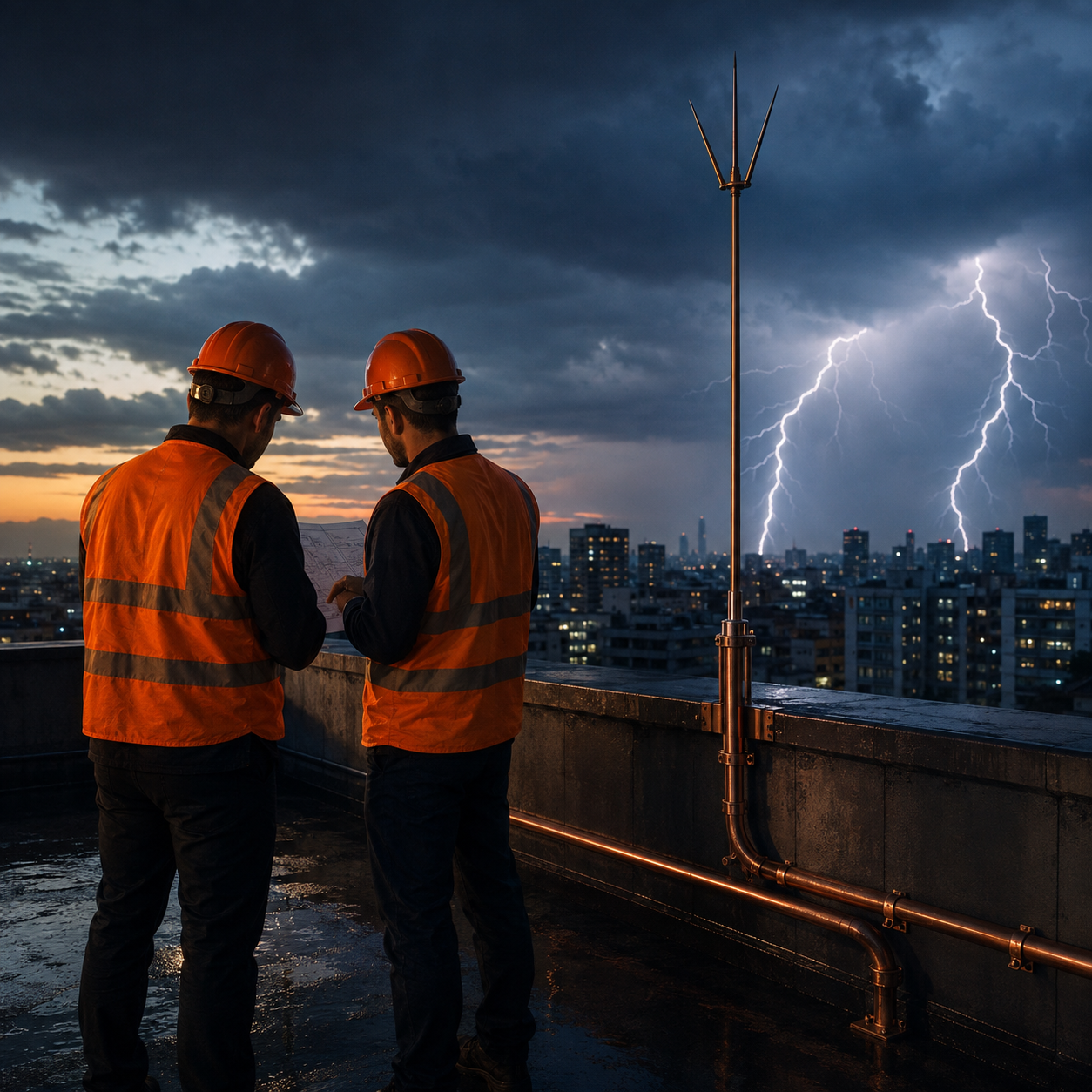
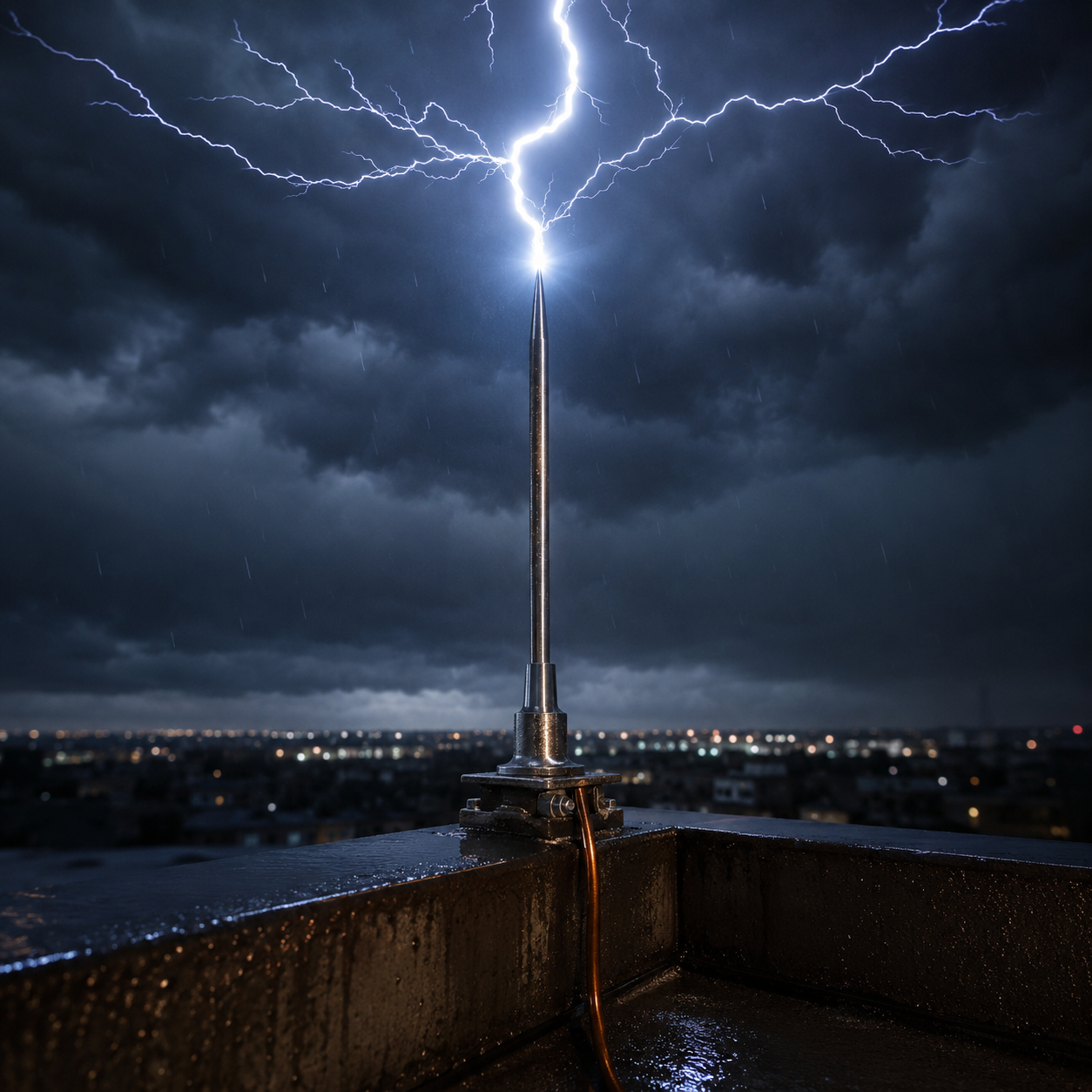
This popular myth suggests that once lightning strikes a place, that place gains immunity against future lightning. However, lightning can strike the same place more than once, and it does, especially if it is a high point or a tall structure. Communication towers and specific locations such as lightning rods on buildings are frequently struck repeatedly over time due to their prominence in the surrounding area.
Debunked: Lightning has no memory or preference for specific places. It can strike the same place more than once, and previous strikes do not make a place immune to future ones.
Myth 3: “A car’s rubber tires protect you from lightning.”
Another common myth is that the tires on a car provide protection against lightning strikes. While rubber is an insulator, the main reason automobiles provide protection is because their metal bodies act as a Faraday cage. A car’s metal body allows the electrical charge from a lightning strike to flow around the occupants and dissipate safely into the ground, significantly reducing the risk of injury.
Debunked: Although being inside a car may provide some protection, it is best to avoid driving during a storm. Instead, find a safe place to park and wait until the storm passes.
Myth 4: “If it’s not raining, there is no lightning risk.”
Many people believe that lightning occurs only during heavy rainfall. However, thunderstorms can produce lightning even without significant precipitation. Lightning can strike kilometers away from the main storm cell, and “bolts from the blue” are well-documented events. These flashes can occur under clear skies and leave people outdoors vulnerable to lightning strikes.
Debunked: If you hear thunder, you are at risk of being struck by lightning. Even if it is not raining at that moment, it is very important to take precautions and find shelter.
Myth 5: “Surge-protector power strips provide full lightning protection for your electronic devices.”
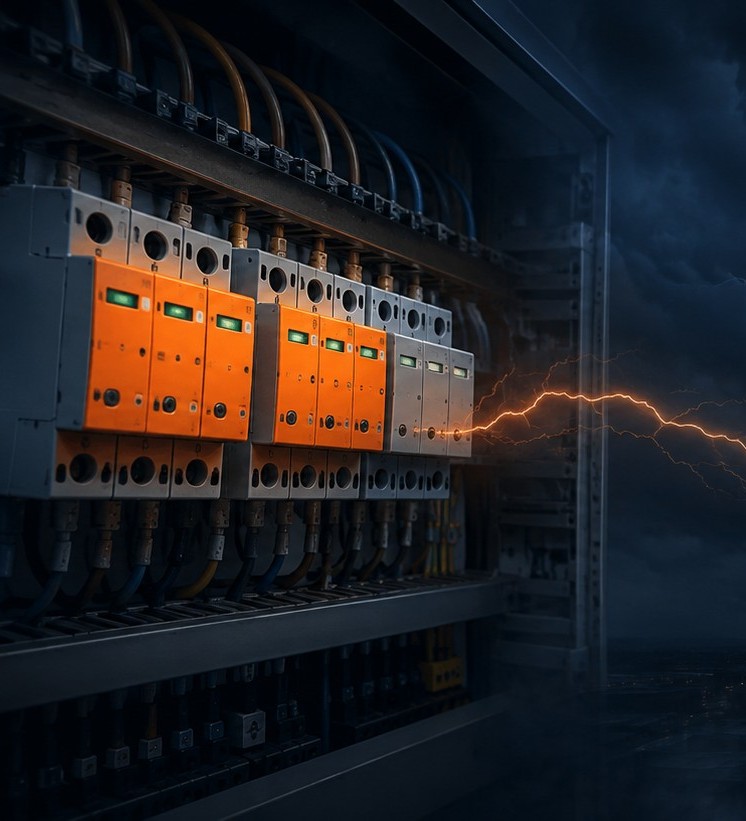
Surge protectors are valuable devices designed to protect electronic equipment from power surges caused by lightning and other electrical disturbances. However, they are not flawless and cannot provide full protection against a direct lightning strike. Lightning carries an enormous amount of energy, and in the event of a direct strike, surge-protector power strips may leave your devices vulnerable to damage.
Debunked: To fully protect your electronic devices from lightning, unplug them during the storm. Alternatively, you can invest in dedicated lightning protection systems installed by professionals that provide more comprehensive protection.
In homes or workplaces, to protect devices from lightning or overvoltage, a system must be built in which Type 1, Type 2, and Type 3 low-voltage surge protective devices operate in combination.
Understanding the facts about lightning and eliminating common urban myths is very important to ensure personal safety during thunderstorms and to protect our facilities. Remember that lightning is a powerful and unpredictable force of nature. The best approach is to take appropriate precautions to minimize the risk of injury or damage, seek shelter indoors or in a vehicle, and stay informed about weather conditions.
Do not forget to contact us to get more information and the right protection measures.
Remember, Yılkomer ‘Protects Your Values!’