
-
Safety and Personnel Protection
Safety is the top priority in any industrial environment, and wind power plants are no exception. Proper grounding systems are essential to protect personnel working on and around wind turbines from electrical hazards. Here are some key safety considerations:
a. Grounding Electrodes:
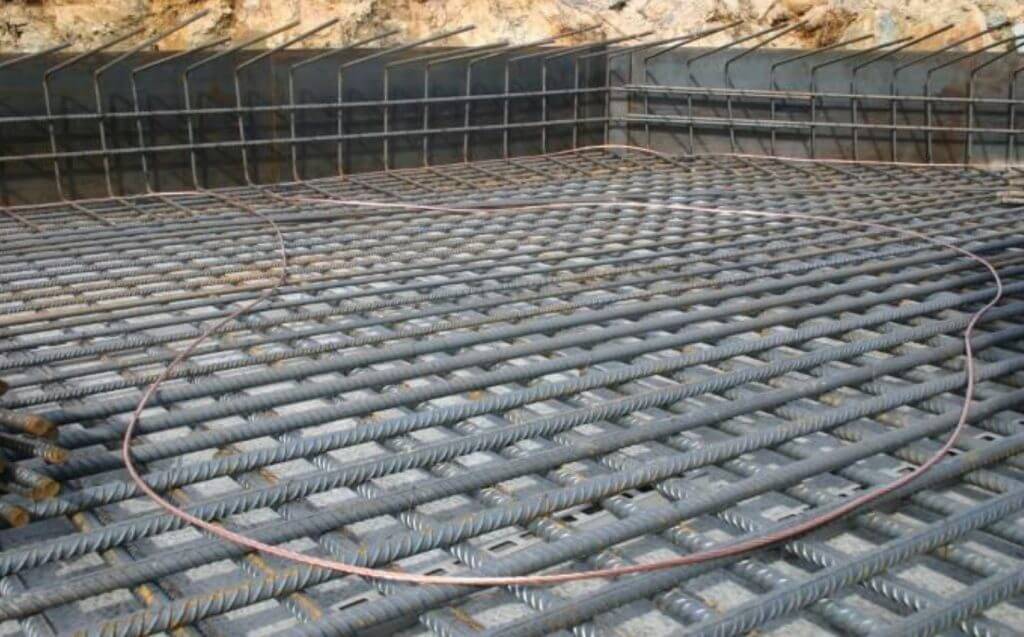
Ensure that your wind turbine towers and associated equipment are effectively grounded with suitable electrodes such as grounding rods or plates. These electrodes facilitate the dissipation of fault currents into the ground, preventing dangerous electric shocks.
b. Lightning Protection:
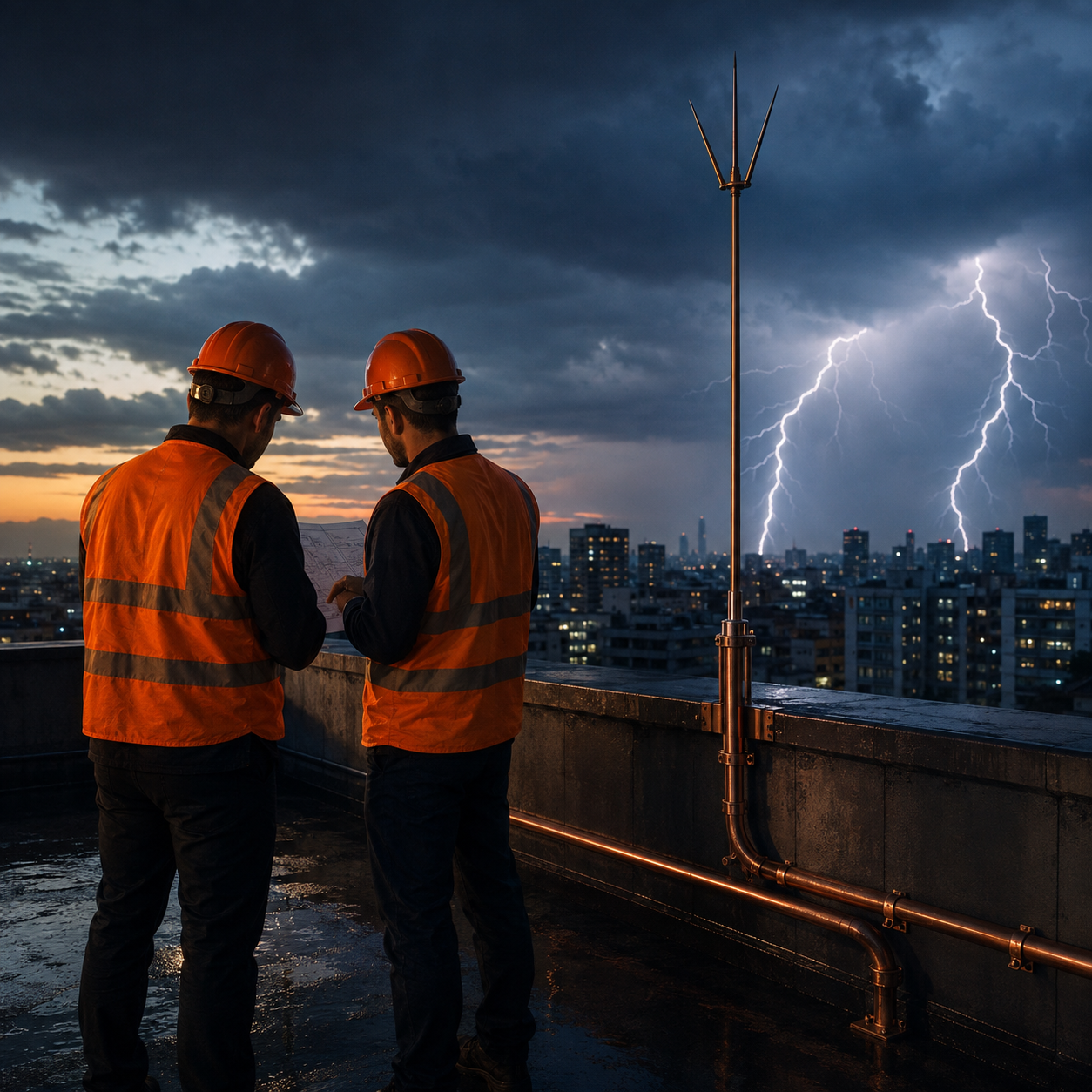
Wind turbines are tall structures that can attract lightning strikes. A robust grounding system, including external lightning protection and grounding conductors, must be in place to safely divert lightning currents to the ground and away from critical equipment.
c. Bonding and Equipotential Grounding:
Establish a bonding and equipotential grounding system to minimize voltage potential differences between various components of the wind power plant. This reduces the risk of electric shock and enhances overall safety.

-
Equipment Protection
Wind turbines are complex machines with sensitive electronic components that require protection from electrical surges and faults. Effective grounding plays a crucial role in protecting equipment and ensuring uninterrupted operation:
a. Surge Protection:
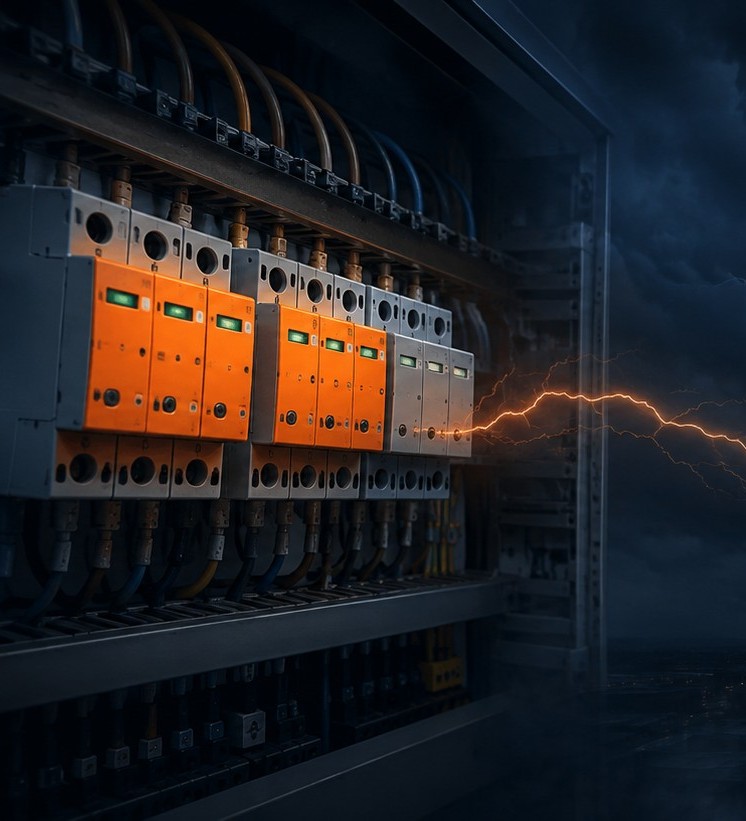
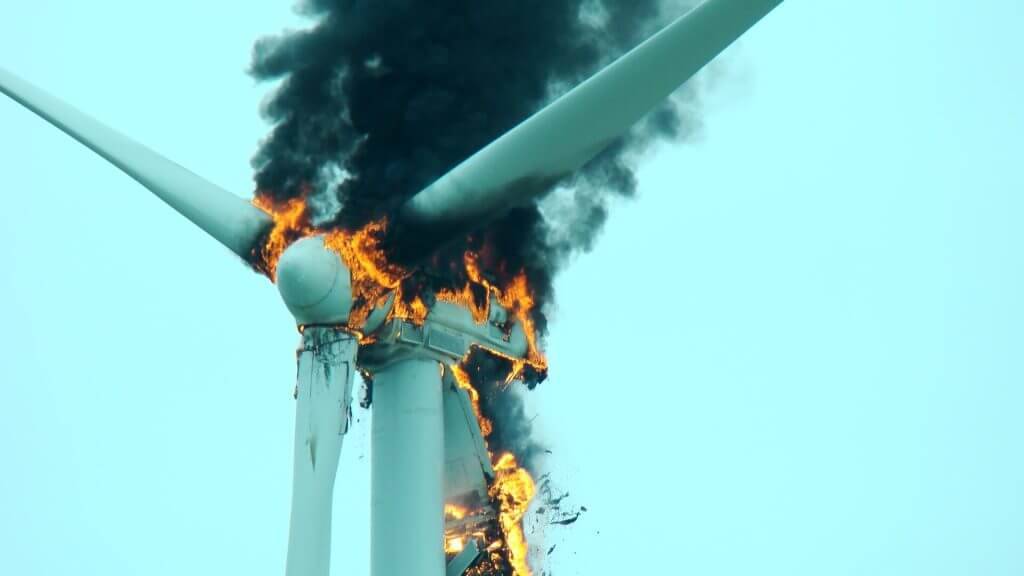
Install surge protective devices (SPDs) at critical points in the electrical system of the wind power plant to divert voltage surges caused by lightning or other faults away from sensitive equipment. Proper grounding ensures these surges are safely dissipated into the ground.
b. Fault Current Path:
Create a low-resistance fault current path throughout your grounding system. This allows fault currents to safely flow to the ground, preventing damage to electrical equipment and minimizing downtime.
c. Maintenance and Monitoring:
Regularly inspect and maintain your grounding system to ensure its effectiveness. Use advanced monitoring techniques to promptly detect and address issues, reducing the risk of equipment damage and costly downtime.
-
Environmental Protection
Wind power plants are often located in ecologically sensitive areas. Improper grounding can lead to adverse environmental consequences such as soil contamination or damage to nearby water ecosystems.
a. Grounding Electrode Materials:
Select environmentally friendly and corrosion-resistant grounding electrode materials. Avoid materials that could leach harmful substances into the soil.
b. Grounding Site Selection:
Conduct comprehensive environmental impact assessments before selecting a site for your wind power plant. Avoid areas with sensitive ecosystems or groundwater concerns.
c. Soil Testing:
Evaluate soil resistivity at the selected site to determine the appropriate grounding design. Adapt the grounding system to the site’s specific soil conditions to ensure efficient dissipation of fault currents.

-
Grid Integration
Effective grounding is essential for seamless integration with the electrical grid. Wind power plants must comply with grid codes and standards to ensure reliable energy transfer and grid stability:
a. Grid Code Compliance:
Familiarize yourself with the grid codes and regulations in your region. Ensure that your grounding system complies with these requirements to facilitate smooth grid connection and operation.
b. Grounding for Grid Faults:
Develop a grounding strategy for grid fault conditions to protect both the wind turbine and the grid infrastructure. Proper grounding enables safe disconnection and reconnection without damaging equipment or compromising grid stability.
-
Risk Assessment and Mitigation
Conduct a comprehensive risk assessment for your wind power plant, considering potential grounding-related hazards and failure modes. Identify risks and implement mitigation measures:
a. Risk Identification:
Identify potential grounding-related risks such as electrical faults, lightning strikes, and equipment failures. Consider both internal and external factors that could affect your wind power plant.
b. Mitigation Strategies:
Based on your risk assessment findings, develop and implement mitigation strategies. These may include redundant grounding systems, backup power supplies, and emergency response plans.

c. Training and Education:
Ensure that your personnel are well trained in grounding procedures and safety protocols. Regular training and education programs can help reduce the likelihood of accidents and improve response times during emergencies.
Proper grounding is a critical element of wind power plant design and operation. It ensures personnel safety, protects equipment, minimizes environmental impact, facilitates grid integration, and reduces risks. By paying attention to these five key considerations, wind power plant operators can enhance the reliability and sustainability of their operations while contributing to the global transition to clean and renewable energy sources. Yılkomer engineers provide lightning protection and grounding consultancy for your wind power plants. You can contact us by filling out the form below.
[contact-form-7 id=”f485445″ title=”Akıllı Ulaşımlar EN”]